
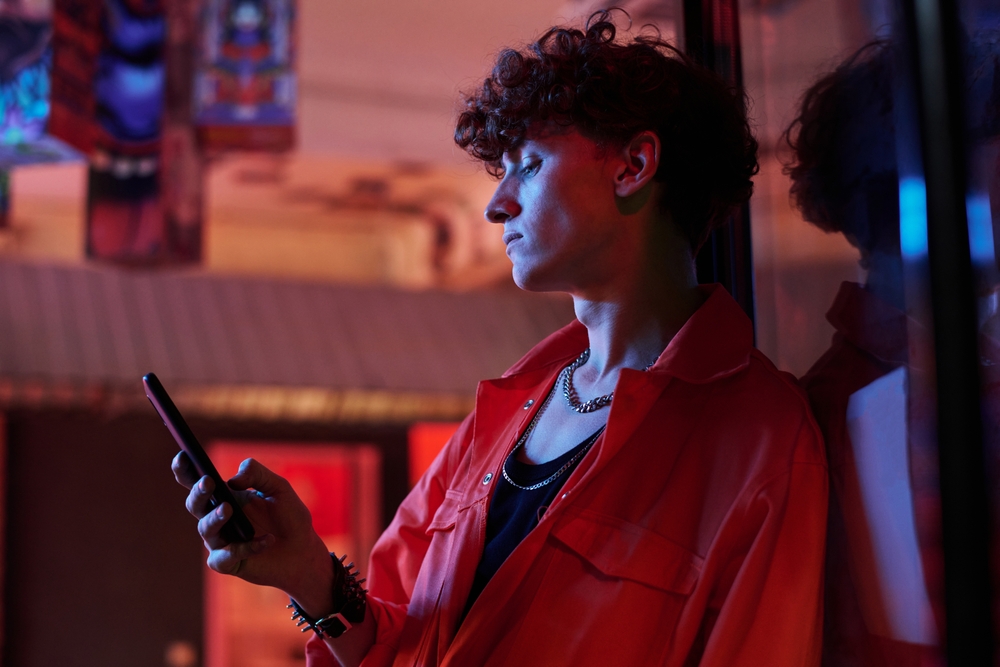
The young people of the Z generation are redefining the priorities of modern society. Unlike previous generations, for which economic growth and career were central goals, current young people place the attention of their psychophysical balance and environmental protection. Their approach to everyday life, consumer decisions and work experience is guided by a strong ethical awareness and a desire for consistency that goes beyond the logic of profit or material possession. It is essential to understand how technological overexposure and social pressure are affecting how this generation perceives its psychophysical condition, leisure and interpersonal ties.
It is interesting the article by Nicola Barone, written for Il Sole 24 Hours and entitled “For the Z generation the password is well-being. Priority physical and mental health”, which highlights how young Italians interpret the concept of well-being as a complex dimension, integrating inner health, body care and environmental sustainability in their daily habits and consumer decisions.
According to the survey reported by journalist Barone, “The condition of well-being in its various constituents and environmental sustainability increasingly guide the decisions of consumption and life of the new generation, which gives priority to significant experiences regarding mere material possession. The trend is clear and consolidated and confirms in the Consumer Lab of Bain & Company, the deepening of consumer preferences and the result of an investigation conducted on over 1,500 Italian consumers, belonging to different generations but with focus on Generation Z (1996-2015). For the latter, the desire to live a healthier and more attentive lifestyle, to live in a more sustainable world and to pay attention to their psychophysical balance, is reflected in concrete way in food habits, purchasing decisions and daily choices.”.
One of the most important aspects is the impact of technological overexposure. In fact, “Always more glued to the smartphone, the new generation struggles to build authentic and meaningful links… 83% of young people say they have an unbalanced relationship with their phone, while 20% spend more than eight hours a day on electronic instruments. On average, they control the mobile device about 185 times a day, or 12 times a hour… As a result, 66% of respondents reported a lack of sleep due to their use, while 43% even accused of reduced productivity.”.
Despite these worrying data, young people show clear attention to the recovery of personal balance. “In free time, the new generation shows a clear preference for physical exercise and self-care, highlighting the desire for greater harmony and more genuine interactions. 20% of Italian respondents would devote an hour of their free time to motoring, while 17% would use it to care for themselves, such as relaxing or cooking.”.
Another central point in the article is mental health and emotional balance. “For 77% of Italians, the inner balance today represents the absolute priority, a figure higher than the global average that stands, instead, around 71%. In particular, for young consumers, the care of their psychological serenity takes a greater value than any other area. A similar level of attention also emerges for the body condition, indicated as a priority by 76% of respondents.”.
This integrated focus is also reflected in consumer preferences and relationships with brands. The Z generation “emerges as the most likely age group to interrupt relationships with perceived brands as not aligned with their values. 57% of global respondents say they have chosen not to buy from a specific brand for ethical reasons. In addition, 75% say they would stop supporting a brand that makes racial or sexual discrimination in their advertising campaigns… In Italy, in line with global trends, together with the food & beverage sector (52%), it is the most boycotted fashion, with a percentage of 42%”.
The behaviour of young people towards brands and consumer preferences is consistent with the reflections of sociologist Pierre Bourdieu on symbolic and cultural capital: purchase choices become an expression of personal values, instruments of social distinction and means to affirm membership in communities that share ethical and environmental principles. The preference for sustainable brands and the sensitivity to fair business practices show that personal identity and reputation are increasingly intertwined with conscious consumption.
The young people of the Z generation represent a turning point in individual and collective behaviour, introducing a new priority logic based on psychophysical balance, sustainability and the authenticity of social relationships. The attention to mental and emotional health, the criticism of non-ethical brands and the search for real and significant ties outlines a society that favours the quality of life with respect to ephemeral consumption. Understanding these dynamics is fundamental not only for enterprises, but for the whole community, since they indicate the direction towards which contemporary values are evolving: a community where success is not only measured in economic terms, but also in terms of personal harmony, community cohesion and environmental responsibility.
L’articolo Youth and well-being: between psychophysical balance, sustainability and authentic relationships proviene da IlNewyorkese.
