
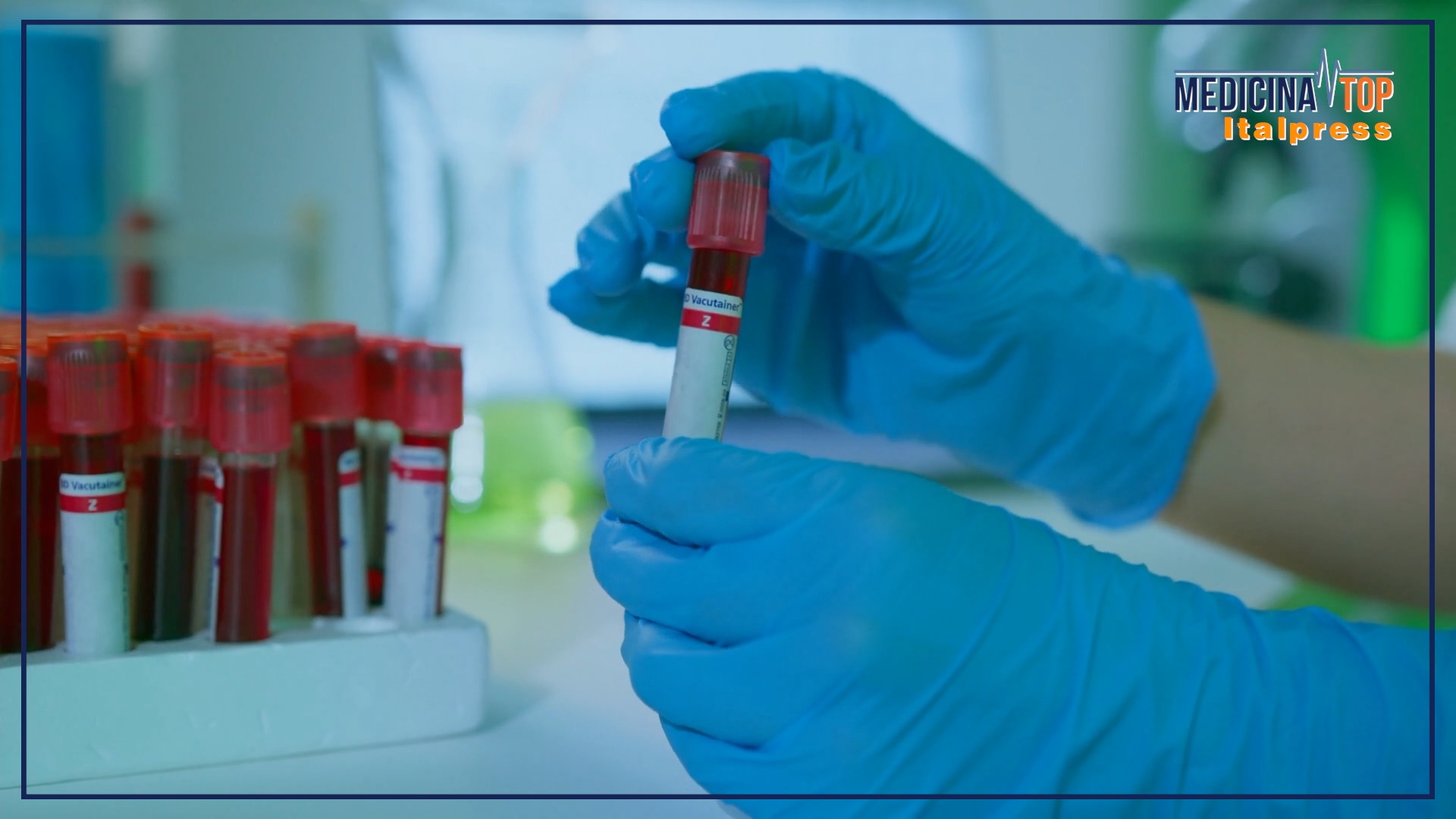
MILAN (ITALPRESS) – Blood is an irreplaceable vital tissue, a real linking system indispensable to life: it transports oxygen and nutrients, eliminates waste substances, defends from infections and contributes to the maintenance of the internal balance. It is composed of a liquid part, plasma, and a corpusculate part formed by red blood cells, white blood cells and platelets: red blood cells contain hemoglobin, protein that allows oxygen transport from the lungs to the tissues; white blood cells are the cells of the immune system that defend us from external agents; platelets are fundamental in coagulation and allow to stop wounds. Blood transfusions are indispensable in many clinical situations, from complex surgery to severe trauma, to chronic diseases such as some anemies.
“The fundamental themes are two, namely the donation of real blood and the donation of plasma: for the first we are certainly self-sufficient, for the second and for the products deriving from the plasma no; being self-sufficient however does not mean being able to sleep peaceful sleep, because it is a situation that must be maintained every day”, said Oscar Bianchi, national president of Avis, interviewed by Marco Klinger for Top Medicine, TV format of the news agency Italpress. In Italy, he added, “there are different models of donation: in some regions it is purely associative, in which the action is carried out by voluntary associations; in others, like Lombardy, there is a mixed model, in which 2 donations out of 3 are collected at the hospitals and the remainder at the unit of associative collection; finally there are regions, like Tuscany, in which the donation is purely public and is done exclusively in hospitals”.
The role of Avis, explains Bianchi, is to facilitate “the adherence to blood donation with its 1.3 million donors on 1.6 total at national level: we do not exclude anyone, indeed we want to encourage all those who want to donate to it; if the blood group is 0 we can also direct to the donation of plasma, which becomes more effective to realize also derived products. Putting yourself on the one hand is good for others, on the other it does it to yourself, because you are under control and in this way the donor knows to be healthy doing a civic prevention action. Of the donors we have about 30% today is between 18 and 35 years old: today young people do not feel they are leading a volunteer association, but if they ask them to come donate every three months they do. Looking at the Italian population, donating is about 3-4%: people might ask to question and understand whether they want to make themselves available or not.”.
Another aspect on which the president of Avis dwells is that of the timing of donations: that of the blood, he explains, “it is planned every 90 days, while that of plasma is allowed about once a month. The suggestion we give to donors is to make a blood donation interspersed with two plasma donations: this can be the rhythm for an effective donor. In Italy the average donation index is twice a year, one every six months: in critical times we have adjusted the fact that the donation takes place by reservation, which allows us to expand or shrink the shirts according to the needs. We cannot allow ourselves to think that the citizen comes to donate and his blood is not used: we want to manage the donation and make sure that it is never wasted. This with the blood is much more difficult, because a bag when harvested remains stored up to 42 days; as far as plasma is concerned, a bag remains stored up to 24 months. Being a blood donor is a very simple thing: you have to have more than 18 years, know how to speak the Italian language, weigh more than 50 kg, have a healthy and regular lifestyle; the range is very wide, just want it”.
The last topic on which Bianchi focuses concerns the urgent need to change nationally on the management of plasma products: “The Italian system is not self-sufficient, in the sense that the drugs produced by plasma donation are not enough to cure patients at hospitals, carry out care and transplants. With a shortage of approximately 17%, the goal we have given at national level is to remove dependence on the foreign market: the first producer in the world is represented by the United States, with all the difficulties you can imagine. Avis is not only blood donation but a lifestyle, attention to others and a caring for people who need it: every day in Italy 1,800 people receive a blood bag thanks to someone who gives it.”.
– Photos from Top Medicine –
(ITALPRESS).
