
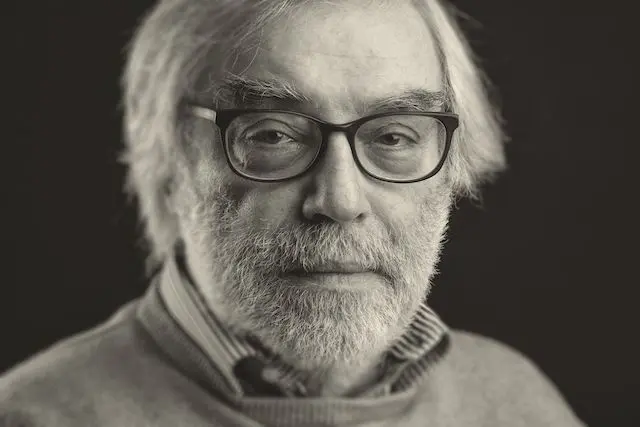
TEHERAN (IRAN) (ITALPRESS) – The ongoing war between Iran on the one hand and the United States and Israel on the other is destined to last at least two more weeks. This is what the Iranian journalist Ahmed Rafat says in an interview with Italpress, analyzing the developments of the conflict and the resilience of the Tehran regime. “The joint military action of the United States and Israel last February 28, which kicked off the current war, saw Iran respond not only by launching missiles against Israel, but also hitting other countries such as Iraq, Kuwait, Saudi Arabia, United Arab Emirates, Qatar, Bahrain, as well as the Republic of Azerbaijan and Turkey. This conflict is intended to last for at least two weeks, although Donald Trump talks about ongoing negotiations and postponed attacks on civilian targets such as power plants for five more days. Israel wants to weaken Iran so that it no longer represents a threat to its security. For his part, Donald Trump wants to start negotiations with the Islamic Republic that end with an unconditional surrender,” explained the Iranian analyst.
Continuing this war, adds Rafat, “not only weakens the Tehran government. The damage caused by Iranian missiles and drones has already caused considerable damage to Israel, with costs not indifferent to the US economy and especially for the image of Donald Trump among the American population. They have also led to a clear break with several European countries, which reject without means terms of entering this war alongside Washington.” The Israelis have beheaded the civil and military leadership of the Islamic Republic, “but not for this the regime has collapsed. The Islamic Republic, although having a supreme leader, has no pyramidal summit. Killed Ali Khamenei, he was led by his son Mojtaba, seriously injured during the attack that killed his father and other family members. Neither did the killing of Ali Larijani, the strong man of the regime, bring down the system, and even less the elimination of several military commanders. The Islamic Republic, though affected by the war and a strong economic crisis before, and having lost the support of most of the population – descended massively during the protests of December and January last, with several thousand protesters killed in 210 cities – continues to govern the country and still has a repressive structure that prevents people from returning to the squares,” Rafat explains.
Mojtaba Khamenei, the new Supreme Leader, “was preparing to replace his father since 2009. In fact, he controlled the Beit (the office of his father) and especially maintained close relations with the most radical wing of the Guards of the Revolution (Pasdaran) and with the oligarchs controlling more than 60% of the economy of the country. Alliances that will allow him to lead the country, if he survives the wounds reported when the residence of the Khamenei family was struck. The Israelis and the Americans pointed to the Iranian protesters and especially the Peshmerga (armed military) of the Kurdish parties and the armed formations of the Baltics, such as the cavalry that should have descended in the square following the air bombings, as no regime has ever fallen without any forces present on the territory. For several reasons, not least the still effective capacity of the armed forces and repressive structures, both the protesters and the armed militias of the ethnic groups, however, waited for better moments to occupy the cities,” concluded the Iranian journalist.
– photo Ahmed Rafat –
(ITALPRESS).
