
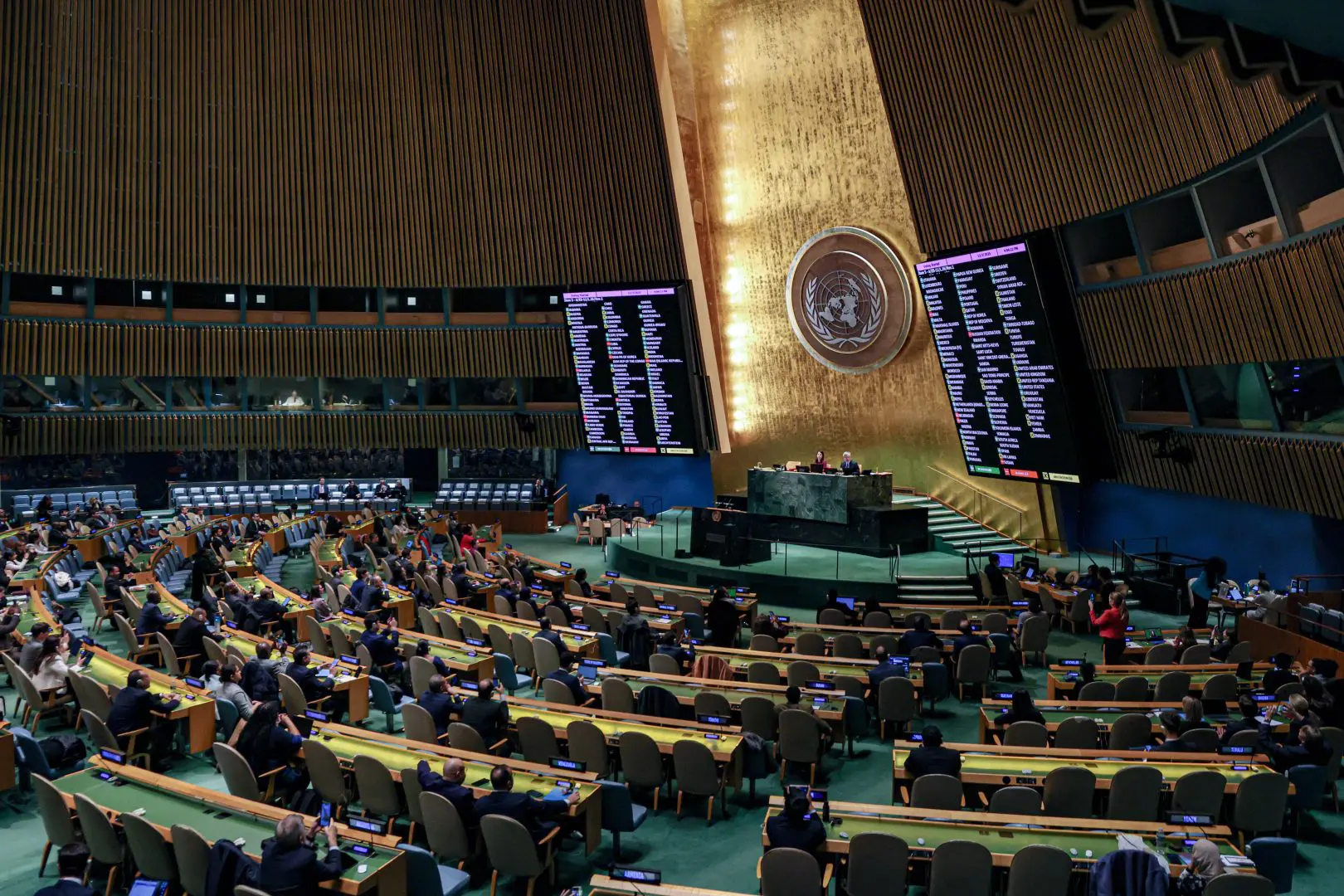
NEW YORK (UNITED STATES) (ITALPRESS) – The United Nations General Assembly has approved a resolution that defines the trafficking of African slaves and racialized slavery “the most serious crime against humanity”, also opening the question of repairs. The text, promoted by Ghana on behalf of the African group, passed with 123 votes in favour, 3 against – the United States, Israel and Argentina – and 52 abstentions, including the majority of European countries, Italy included. In the classroom, after the vote, a long applause took place. But the result shows a significant political fracture on the meaning and implications of the resolution. The text emphasizes the unprecedented character of slavery for “scale, duration, brutality and lasting consequences” and indicates repairs as a tool to address historical injustices.
For Ghana it is a historical passage. “We affirmed a truth,” said foreign minister Samuel Okudzeto Ablakwa, speaking of a choice between “memory and silence” and a step forward towards justice. At the institutional level, the president of the General Assembly Annalena Baerbock called slavery “among the most serious violations of human rights in history“, while Secretary General António Guterres called on the States to confront his inheritance, asking to remove the inequalities that still affect people of African origin.
However, it denies the opposition of the United States. In the explanation of vote, Ambassador Dan Negrea reiterated the condemnation of “historic horrors” of slavery, but defined the “highly problematic” resolution. Washington disputes the legal system of the text, rejecting the idea that facts occurred between the 15th and 19th centuries may be considered violations of international law according to current standards, and does not recognize a legal right to repairs. The United States also criticizes the reference to “reparative justice”, doubts about the beneficiaries of any measures and the attempt to establish a hierarchy between crimes against humanity. Confronted also the historical delimitation and the negotiating process, considered insufficient. For these reasons, Washington voted against.
But in any case it criticises the European position. The abstention of Italy, France and other EU countries was explained by a joint statement by Gabriella Michaelidou, Deputy Permanent Representative of Cyprus to the UN. The European Union has recognized the process as a tragedy that “can not and should not be forgotten”, but has expressed reservations on different points of the text. In particular, he disputed the use of the term “most serious”, which he considered legally unpredictable because he introduced a hierarchy between crimes against humanity. He also criticized some historical references considered selective and divisive and raised doubts on the legal basis of repairs, considered incompatible with the principle of non-retroactivity of international law. Brussels also complained of a negotiating process too short and unopened to changes, explaining the choice of abstention.
The criticisms do not stop Ghana, which claims the result. “We can no longer wait,” Ablakwa said, recalling that a century after the abolition of slavery “there was no justice”. For Accra, repairs do not mean direct transfers of money, but concrete tools to address structural inequalities, such as investments in education, development and return of cultural goods. The vote thus marks a symbolic passage of great importance, but leaves the most delicate political and legal knot open: how to translate historical recognition into concrete measures shared globally.
– Photo of repertoire IPA Agency –
(ITALPRESS).
