
ROMA (ITALPRESS) – In 2025 the disposable income of households at current prices increased by 2.4% (+2.9% in 2024), an increase of 32.4 billion. This is what emerges from the Istat report on national accounts. The price trend of household goods and services has resulted in an increase of 0.9% of their purchasing power (+1.2% in 2024), i.e. the disposable income expressed in real terms.
The final consumption expenditure supported by households in 2025 increased by 2.5% (+31.5 billion compared to 2024), resulting in a decrease in the income share for savings. As a result, the savings propensity was reduced, at 8.2%, from 8.3% of the previous year.
In 2025 the primary income of households increased by 47 billion (+3.1%), with a positive contribution generated by income from employees (+33.1 billion, +3.8%), from income charged for the use of property housing (+6 billion, +3.5%), income from business activity (+5.5 billion, +1.5%) and income from financial capital (+2.4 billion, +3.0%).
The balance of redistributive interventions has subtracted the families 146,1 billion in 2025, 14,6 billion more than the previous year. The current taxes paid by households decreased by 0.7 billion (-0.3% compared to 2024), due to the decrease in Irpef’s income (- 3.0%) partly offset by the increase in capital income tax and replacement taxes on managed savings and capital gains (+23.2%) and the inclusion of the replacement tax resulting from the accession to the agreed estimate.
Social contributions paid by households increased in a total of 30.3 billion (+9.5% compared to 2024): there was a strong increase in actual social contributions paid by employees (+44.7%, +19.4 billion), with a view to a more limited increase in those paid by employers (+4.3%, +9.4 billion) and a marginal change in those paid by autonomous workers (+1.9%, +0.9 billion).
Social benefits increased by 3.3%, equal to +15.9 billion (in 2024: +5.3% equal to +24.4 billion). The positive dynamics of social benefits has been driven by the increase in pensions and pensions paid by pensioners (+5.7 billion compared to the previous year), social exclusion subsidies (+4.9 billion) and oldage allowances (+1.4 billion). N
el 2025 the contributions to investments paid by public administrations to families amounted to 10.8 billion (+3.6 billion compared to 2024), in the face of investments for the purchase and the extraordinary maintenance of housing pairs to 82.7 billion (-3.3 billion compared to 2024). The reorganization of investment has contributed to the improvement of accreditation of the family sector, which in 2025 stood at 35.9 billion (+6.8 billion compared to 2024).
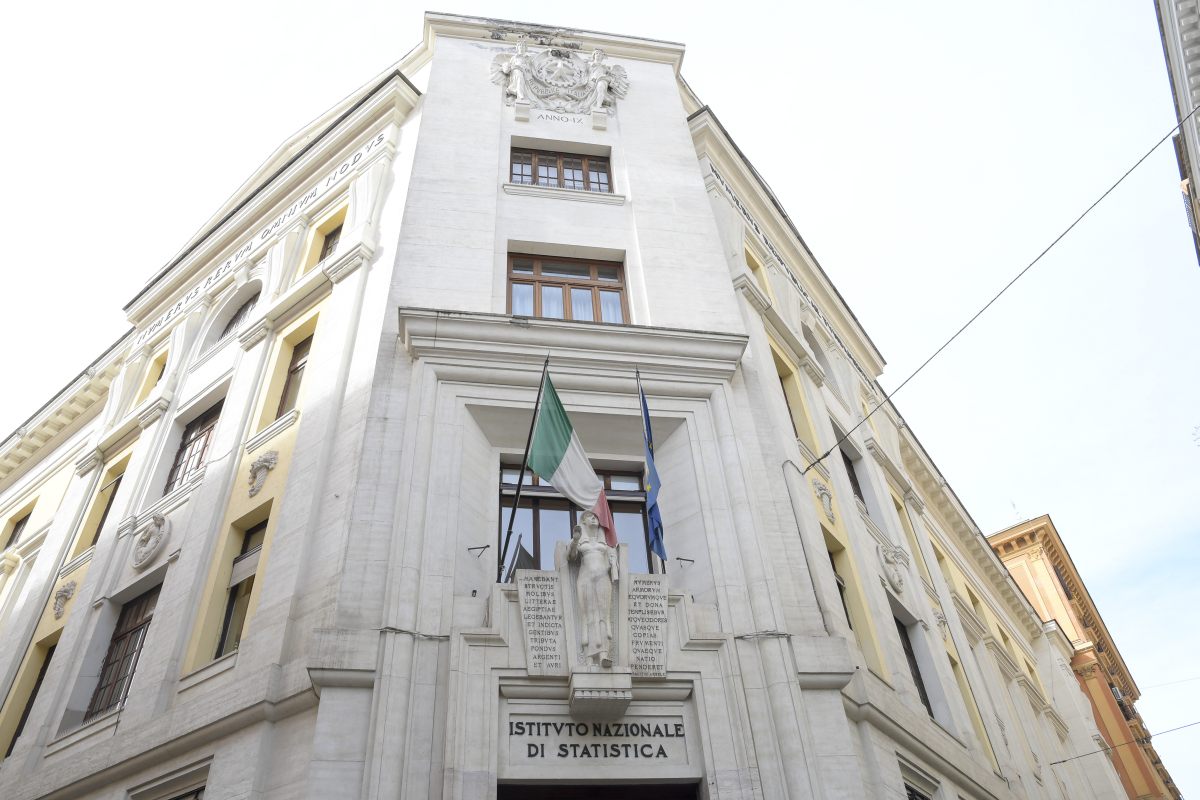
-Photo IPA Agency-
(ITALPRESS).
