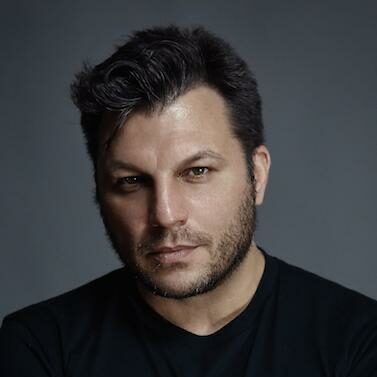
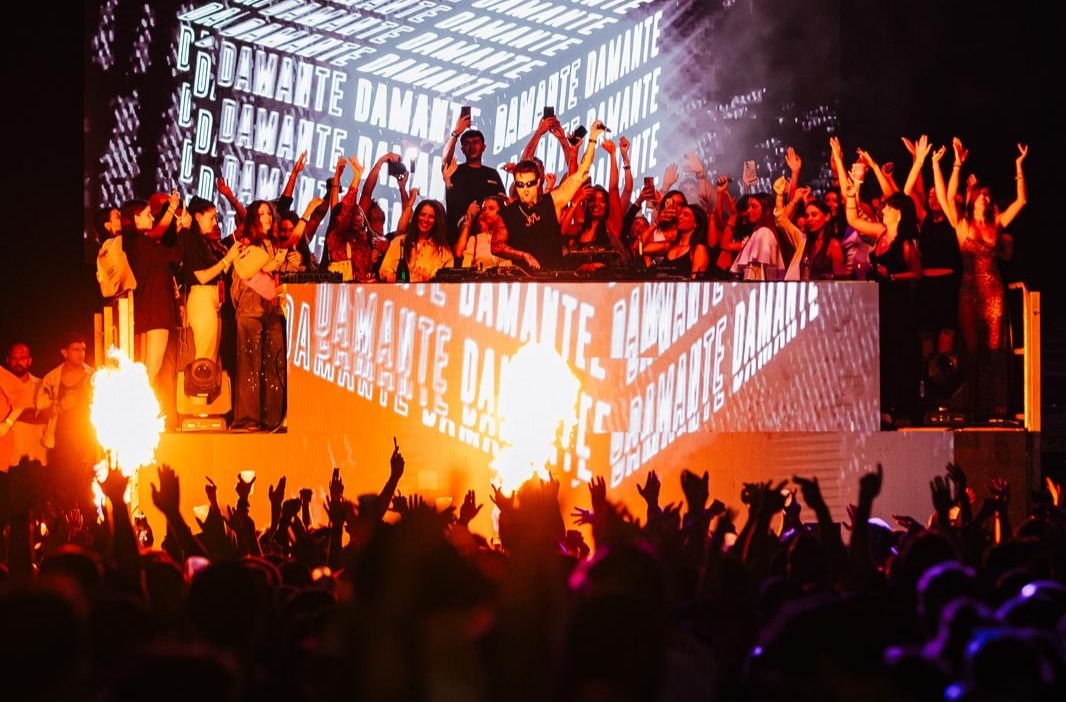
Andrea Damante is widely known to the general public, but his path began first and foremost with music. Born in Sicily and raised in Verona, he got into DJing at a very young age, taking his first steps at local parties and gradually building his career through clubs and events across Italy. Over time, he expanded his work to international settings as well. Among them, Marquee in New York represents one of the most significant stops in his career abroad.
Looking at your career so far, how would you define your professional identity?
First and foremost, I define myself as a DJ. It is what I have always wanted to do, even before television came along. I started as a kid, almost by chance: I was 12 or 13 when my father organized a party at our beach house in Sicily and bought a DJ console. The next day it was still set up, and I started trying it out. From that moment on, I never stopped. Today I still feel like that kid who wanted to be behind a console and share music with people. More than the idea of playing prestigious venues, what matters to me is creating energy and helping as many people as possible have fun.
From television to music, through social media: how important are they in your career today?
Social media has become essential from a communication standpoint, that is clear. But on its own, it is not enough. It can help people get to know you, but there has to be something real underneath: skills, musical culture, the ability to handle a DJ booth. Today everyone communicates through social media, so in the long run the people who really have something to say or do are the ones who emerge.
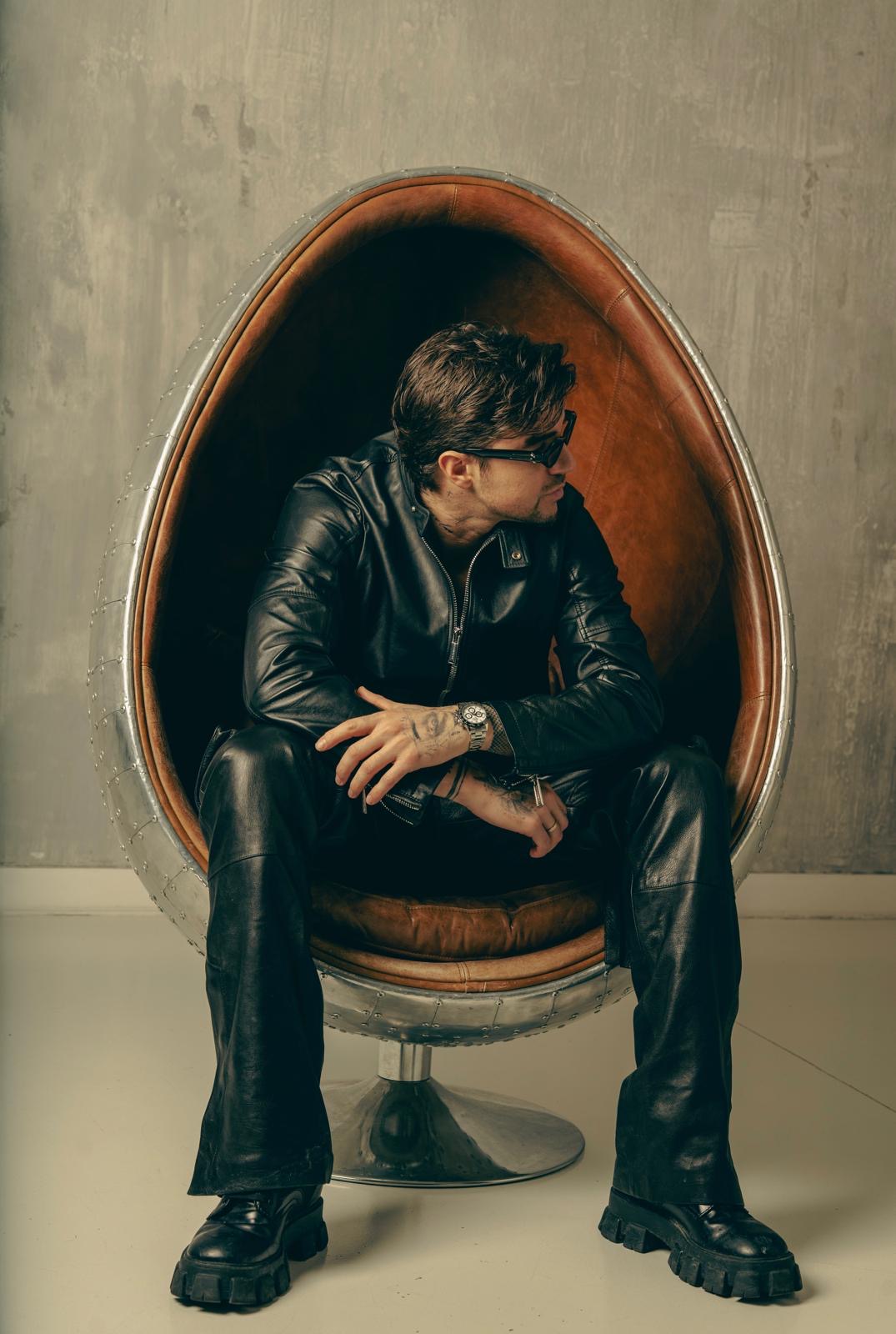
Music is central to your life. What does working as a DJ give you that other professions would not?
Being behind the console is my happy place. I would not do anything else. It gives me a feeling I do not find in any other activity: energy, focus, freedom. It is also a form of personal balance. I am a fairly anxious person, I tend to worry easily, but when I play, everything switches off. I stay focused only on what I am doing. Finding something you are truly passionate about helps a lot. When you do something you love, something that involves you and gives you satisfaction, you manage to clear your mind and detach from negative thoughts. For me, music is that.
How do you prepare a set, and how much room do you leave for improvisation?
It always depends on the context: festival, club, season, audience. First I select a series of tracks, but then during the night you have to read the moment and adapt. I would say it is quite a clear balance: half preparation and half improvisation. It is important to follow the energy of the crowd.
How important is experience behind the console?
Very important. Technique can be learned through study and practice: mixing well, staying on beat, knowing the equipment. But after years you develop something else: sensitivity, flow, the ability to guide the audience and build a musical journey. That is where professionalism really shows.
Is there an artist or producer who has particularly influenced your style?
Many. When I started, I was very influenced by the EDM scene: Martin Garrix and Alesso were important references. Today my tastes have evolved toward more house and electro sounds, with more groove. I am inspired by different producers, and I take different elements from them to build something personal.
You became known to the general public at a very young age. How has your relationship with fame changed?
At the beginning it was quite invasive, especially in the first period after television. But I have always experienced it well, without any particular discomfort. I have always received a lot of affection, and that made everything easier. Of course, sometimes you miss a bit of anonymity, but overall it is something I have learned to manage calmly.
Do you still feel connected to your television beginnings, or do you think you have moved past that phase?
I think I have moved past it. Almost ten years have gone by, and from the beginning I tried to be consistent: when they offered me guest appearances, I always said I would go if I could play. I always wanted to communicate that this was my work. In recent years I have also turned down some social media collaborations in order to stay focused on music. It has been a long path, but today I think the message is clear.
Looking back, what would you say to Andrea ten years ago?
To be less in a hurry. At the beginning I should have spent more time in the studio and followed my musical identity more, instead of chasing the trends of the moment. But mistakes are also part of the journey. In music, everything takes time: building a project, finding the right team. Being in a rush is often counterproductive.
Where do you see yourself in five years?
I hope to bring my music to as many people as possible, play more abroad, and do more festivals. I really like America and working here, but I do not think I would move permanently: Italy remains home.
Do you have any new projects coming up?
Starting in September, a project I have been working on for a long time will begin. In recent years I tried to get into a label I cared about a lot: I sent many demos, received several rejections, but kept going. In the end, they signed several of my tracks and we closed a deal for three singles. It was an important goal for me.
As for live shows, I will return to Las Vegas in June, I will have many dates in Italy, and I will also continue my summer format in Mykonos, which I have now been doing for three years.