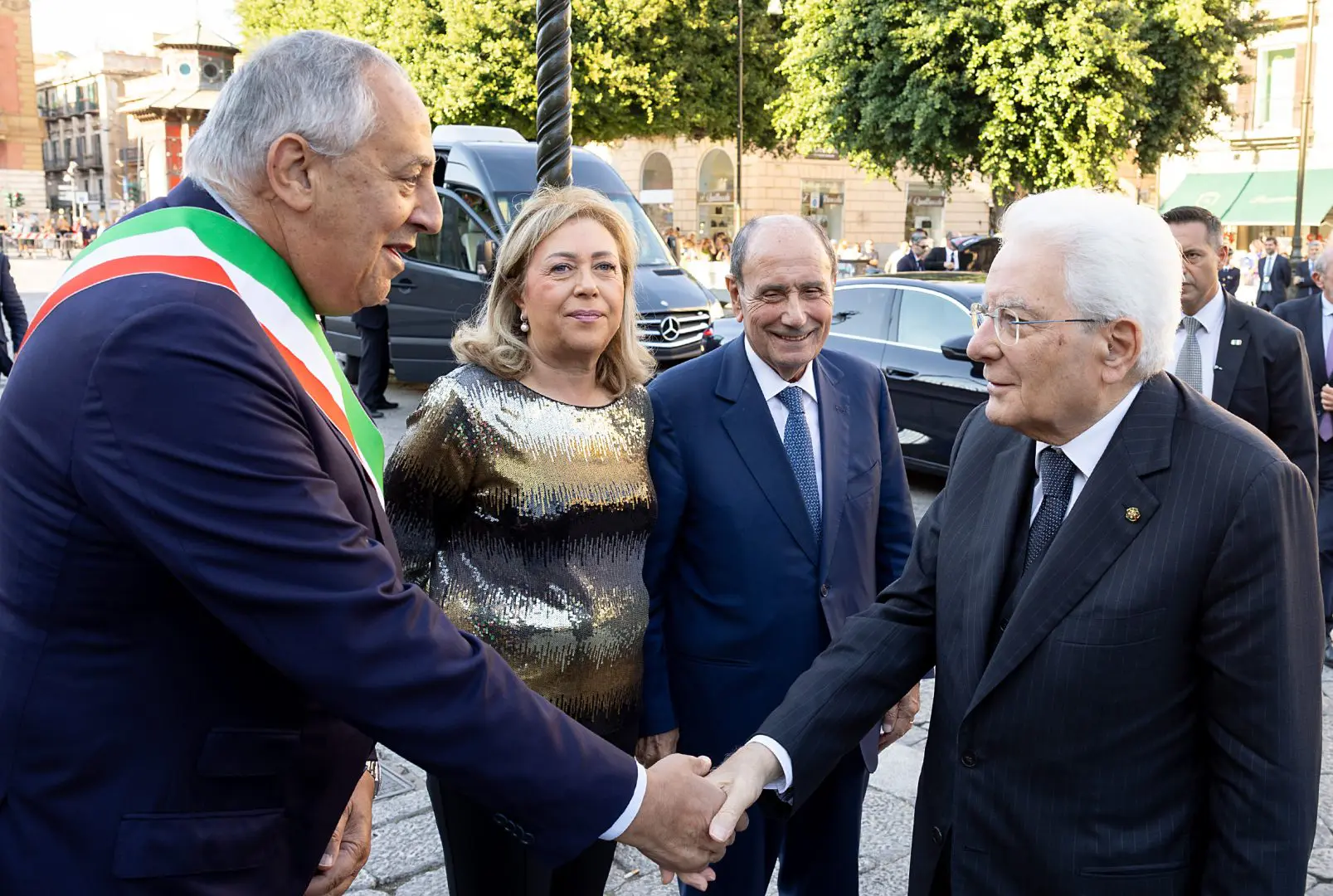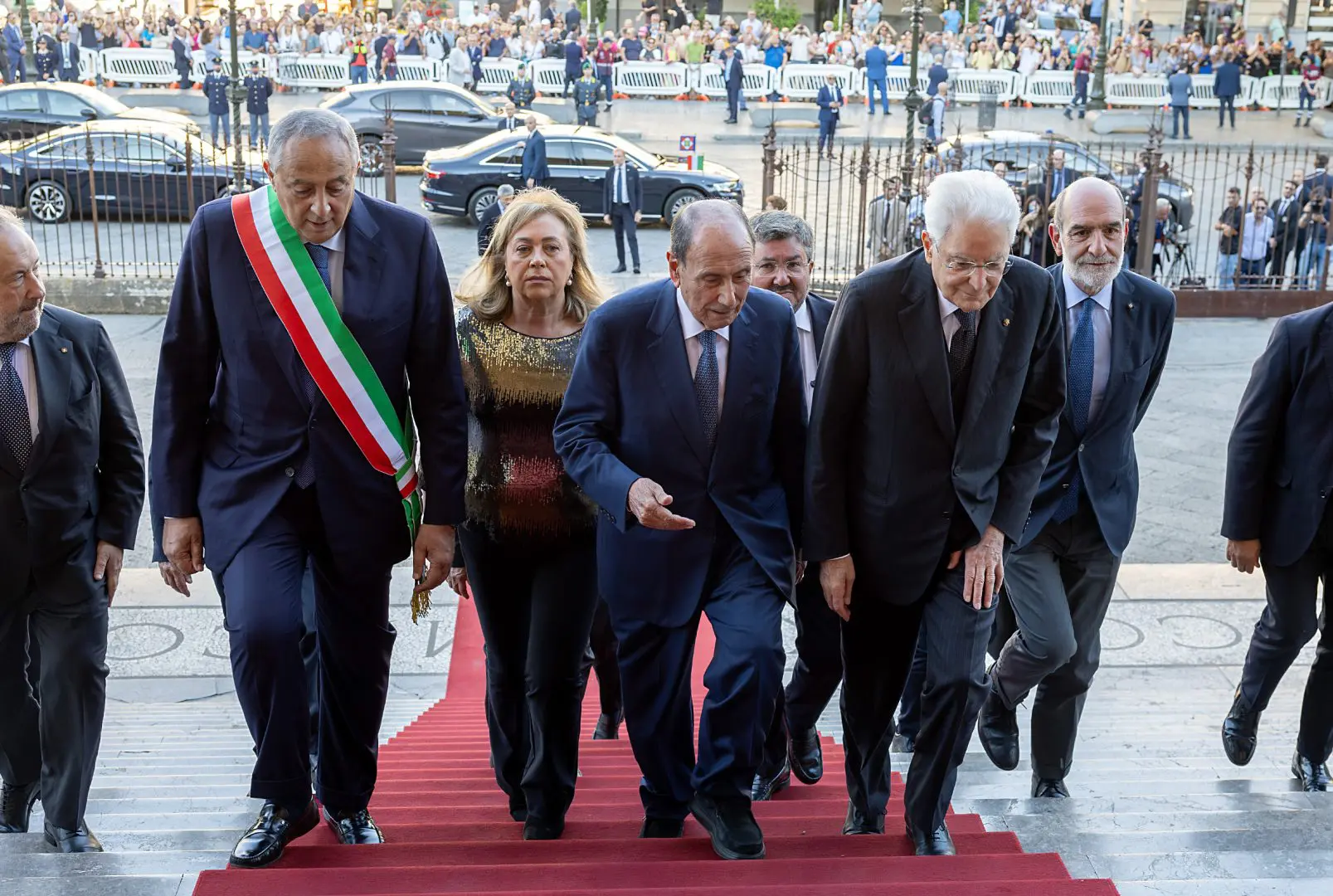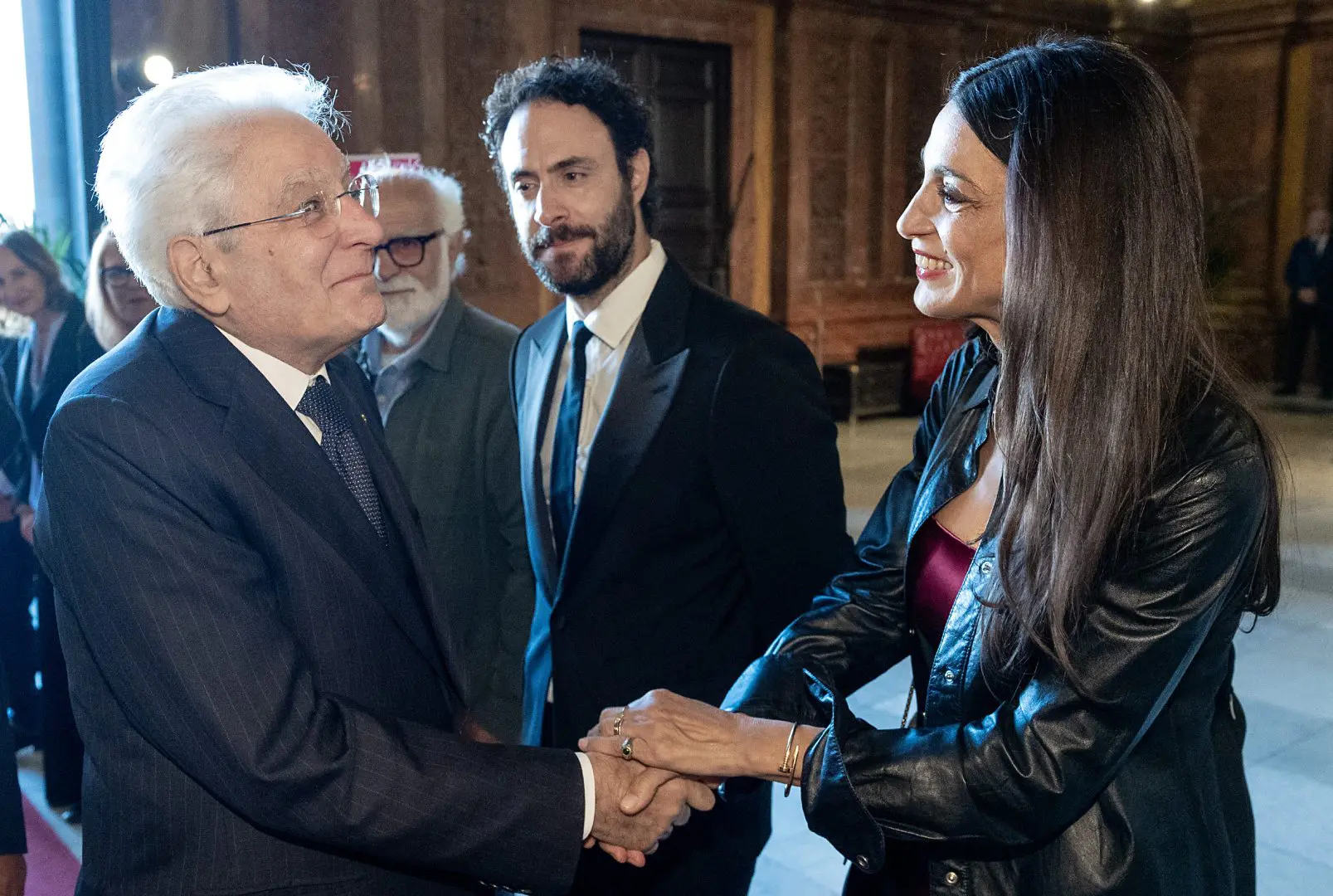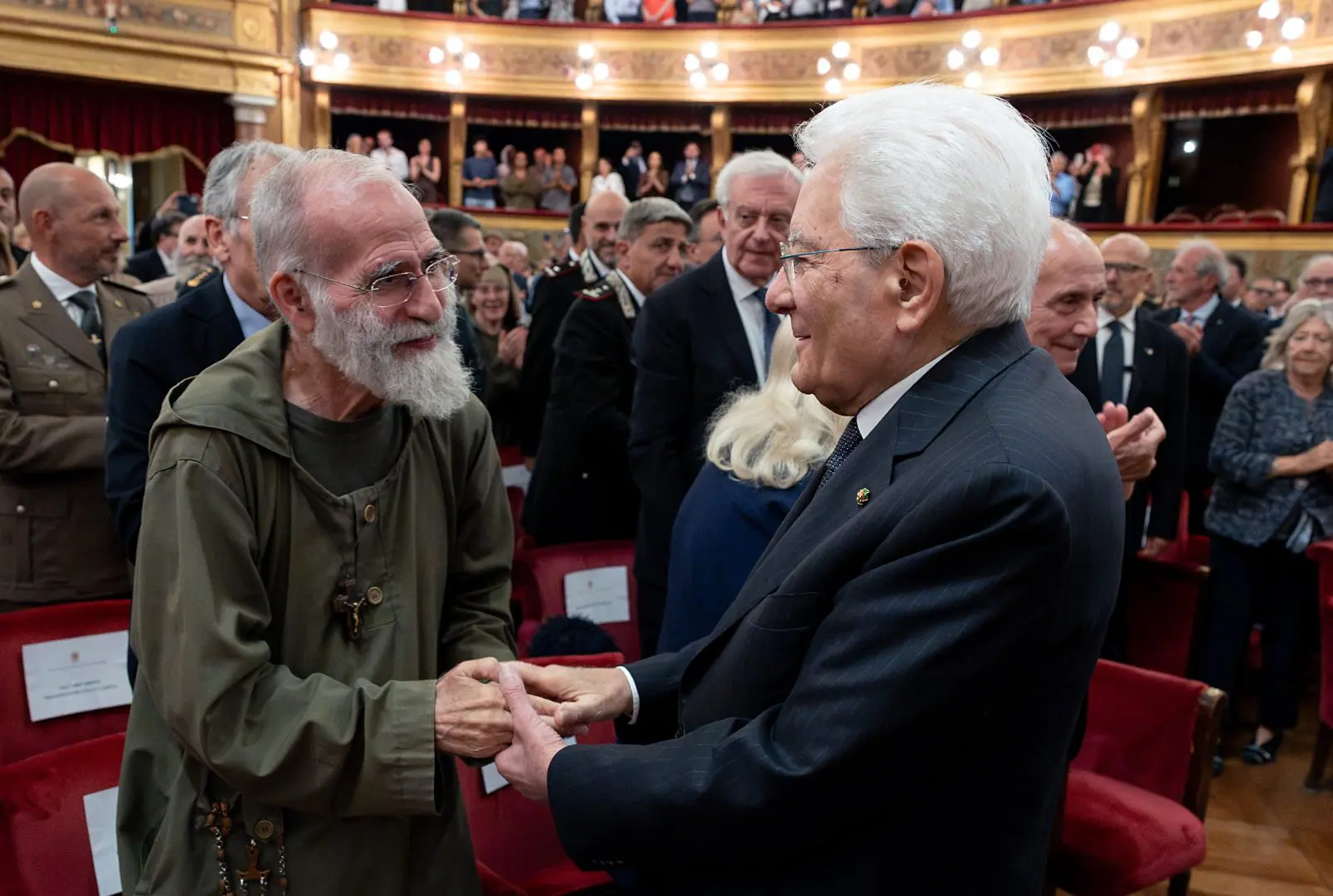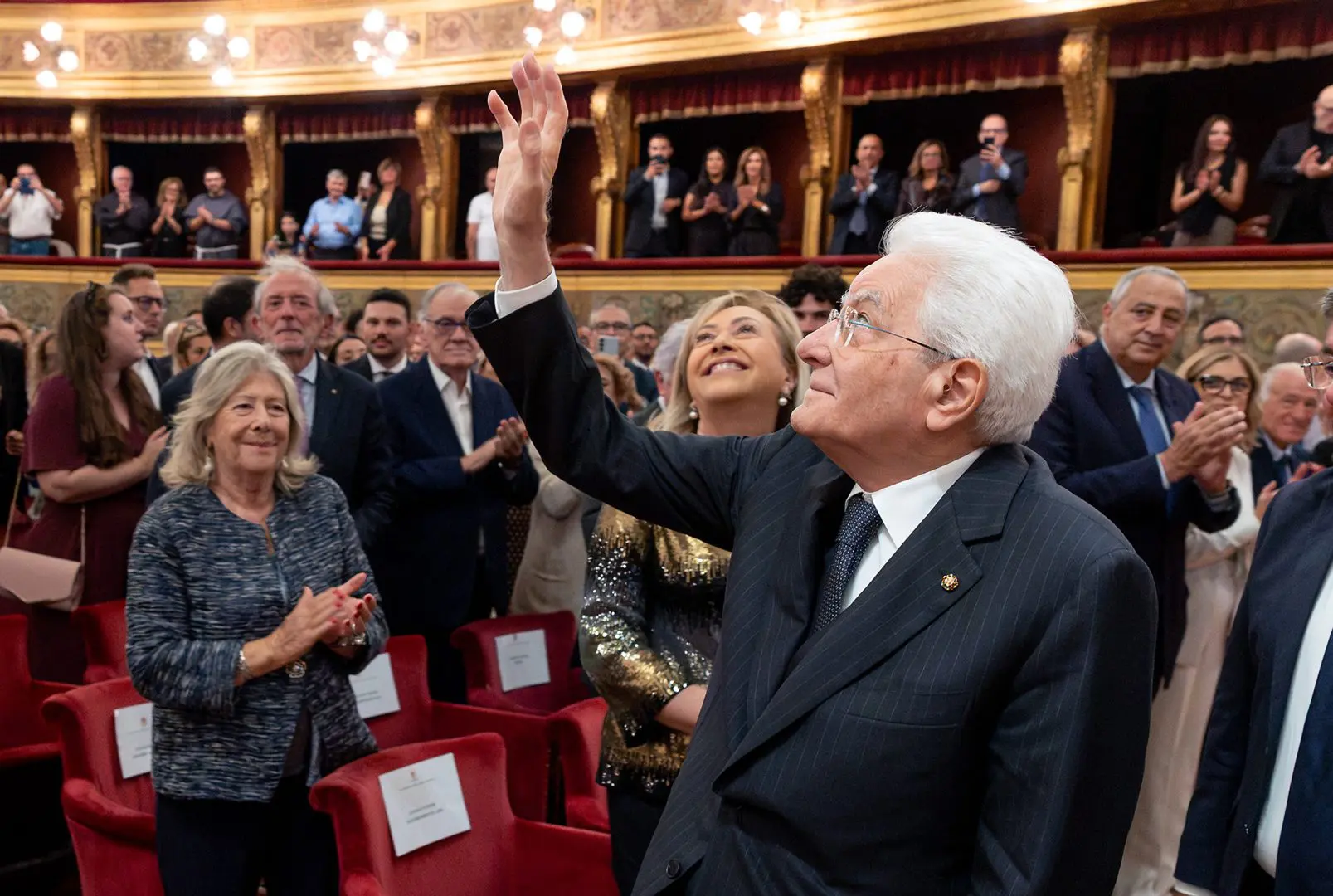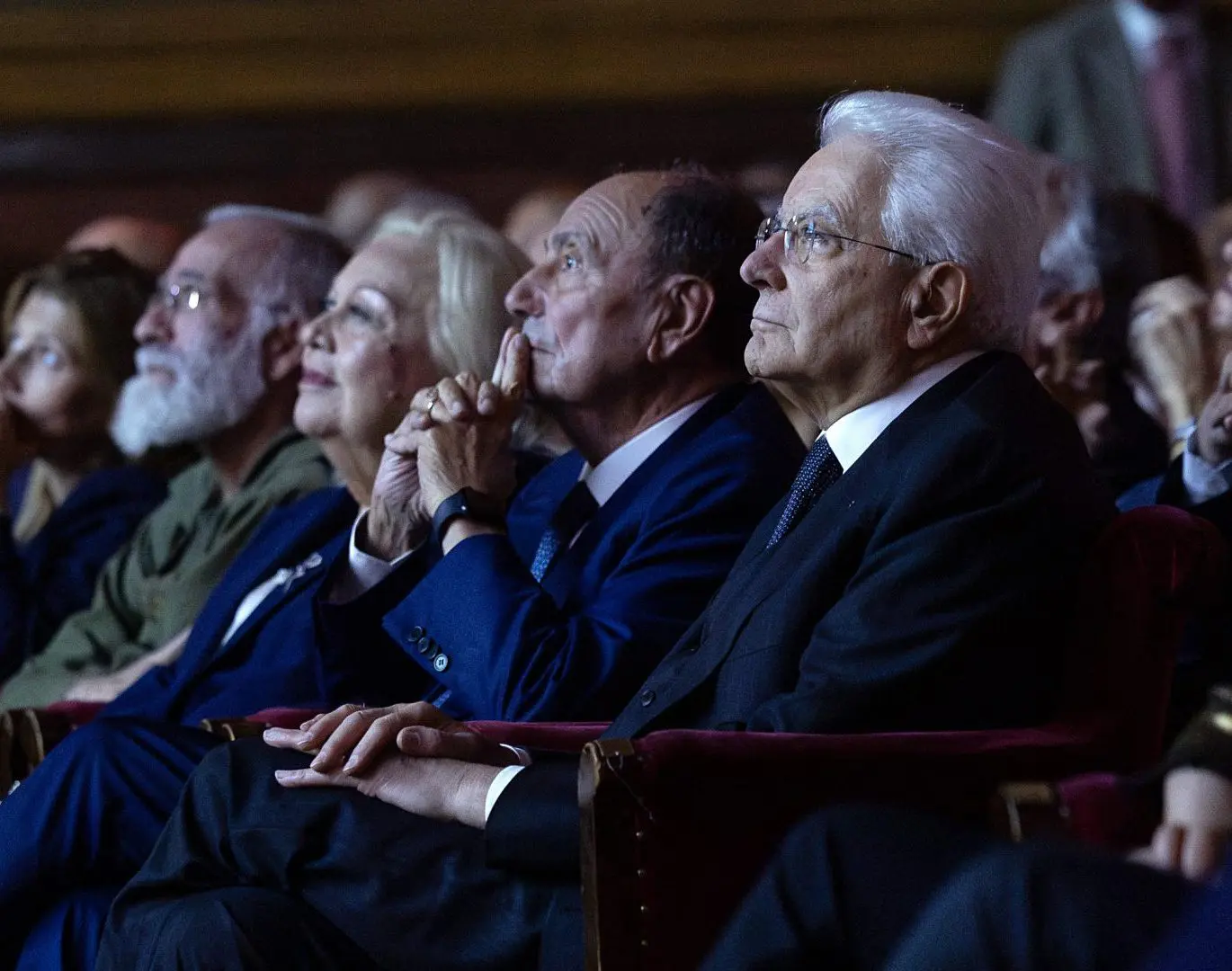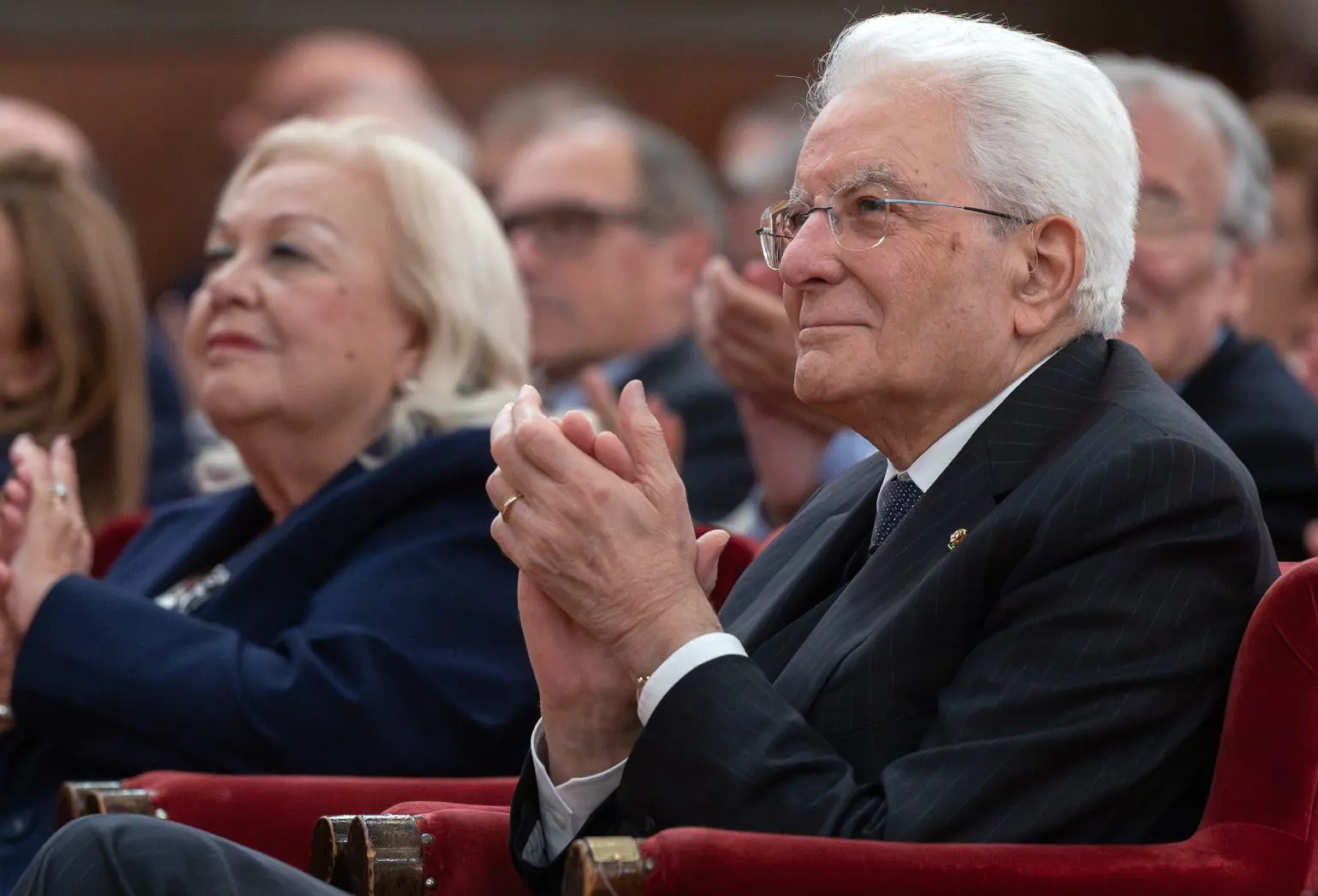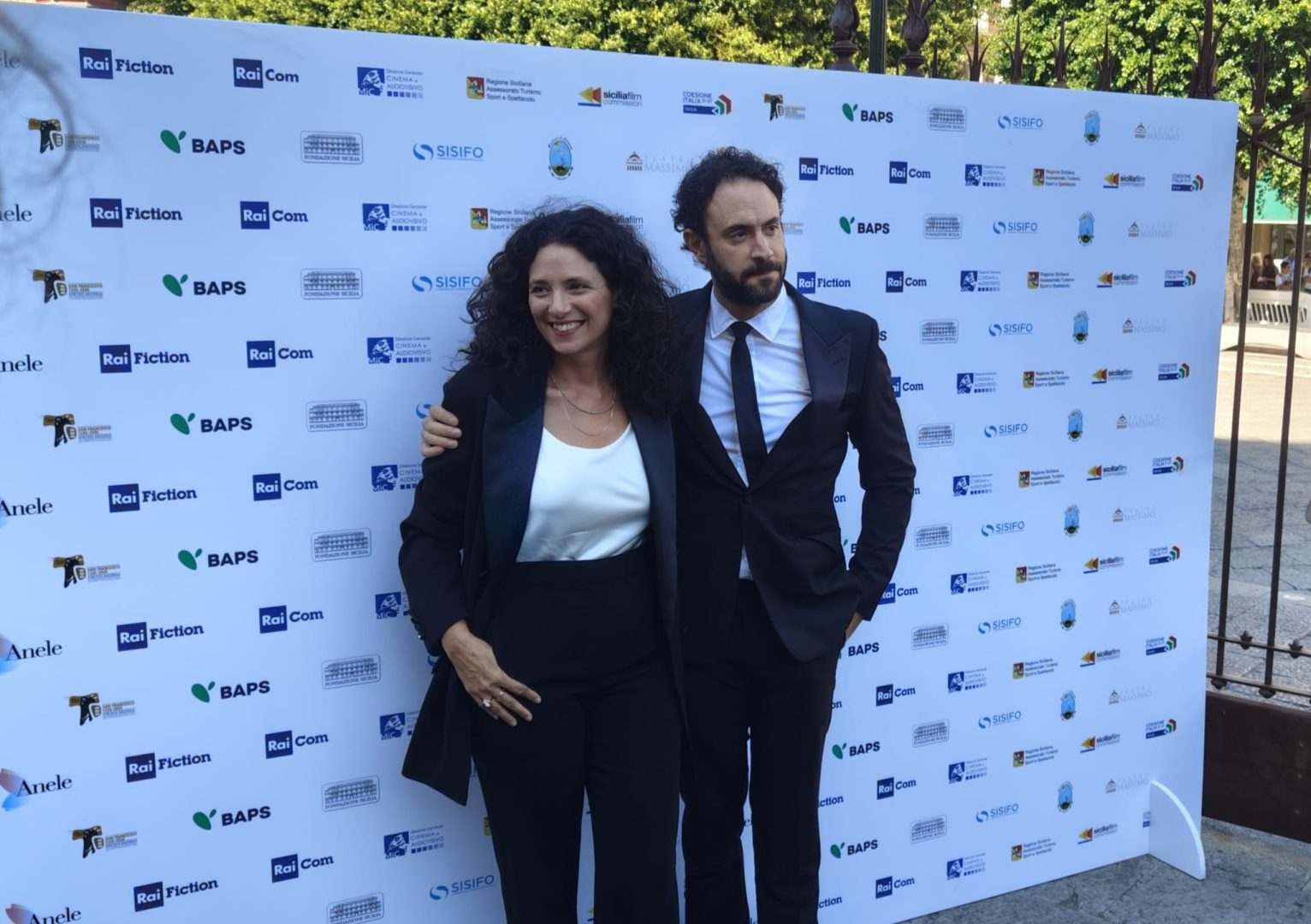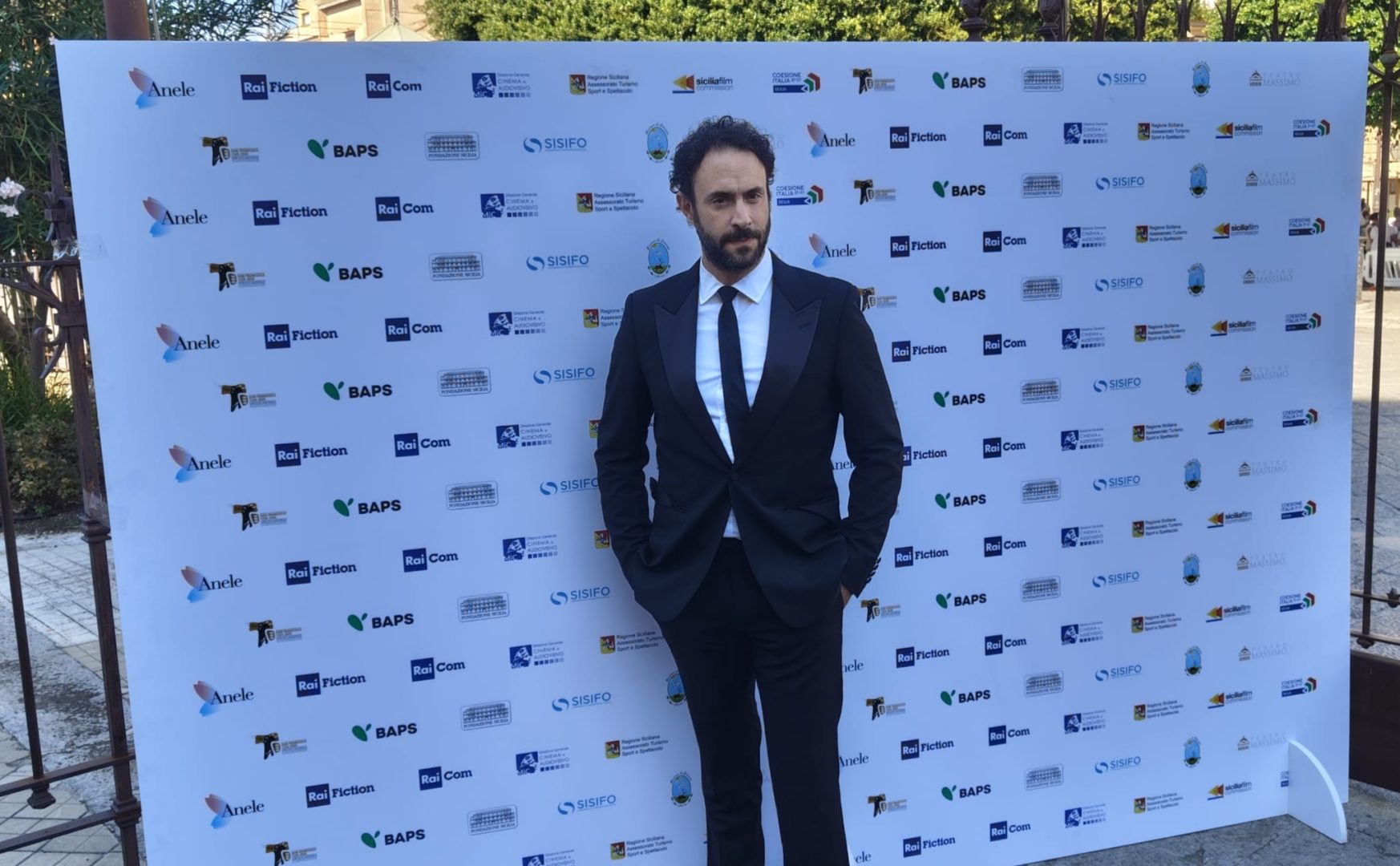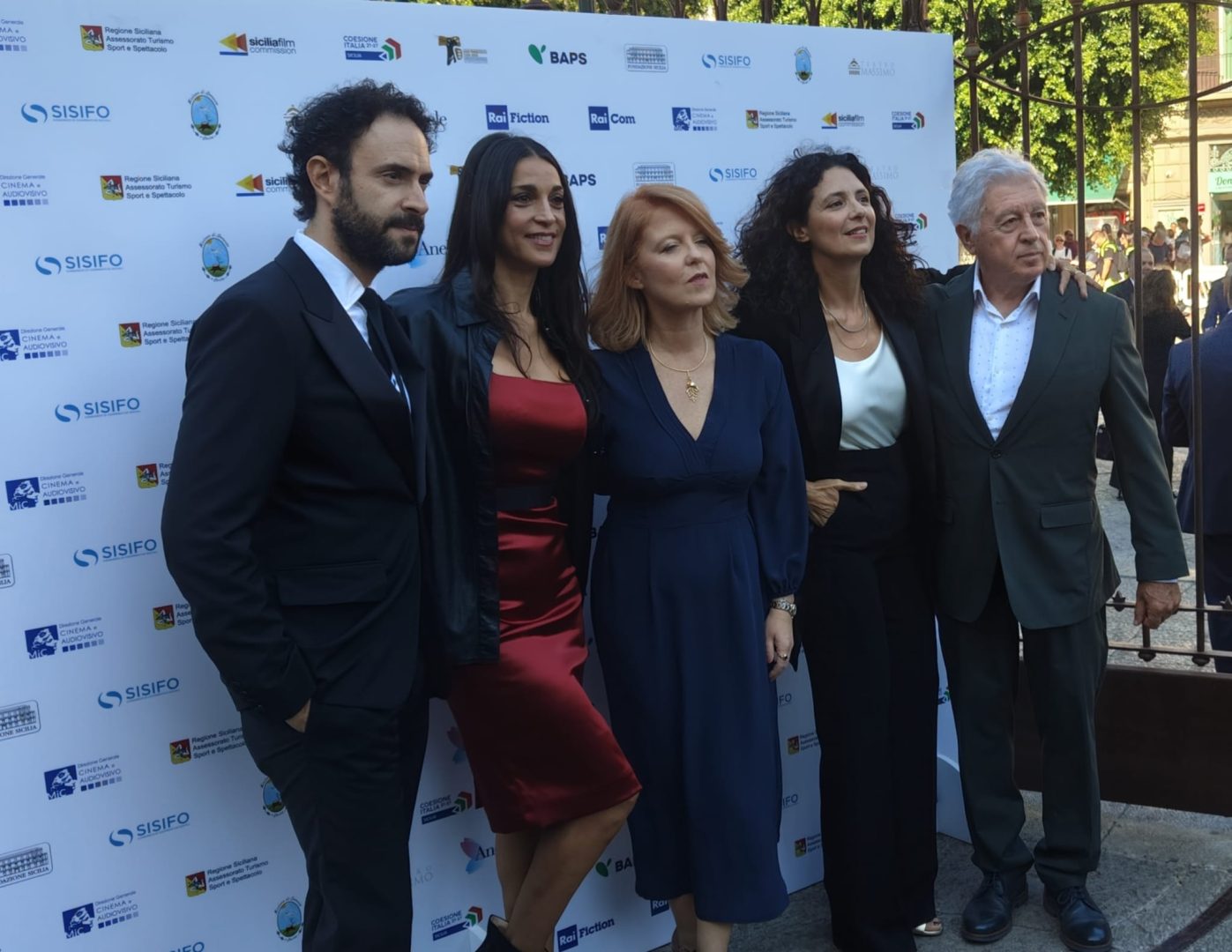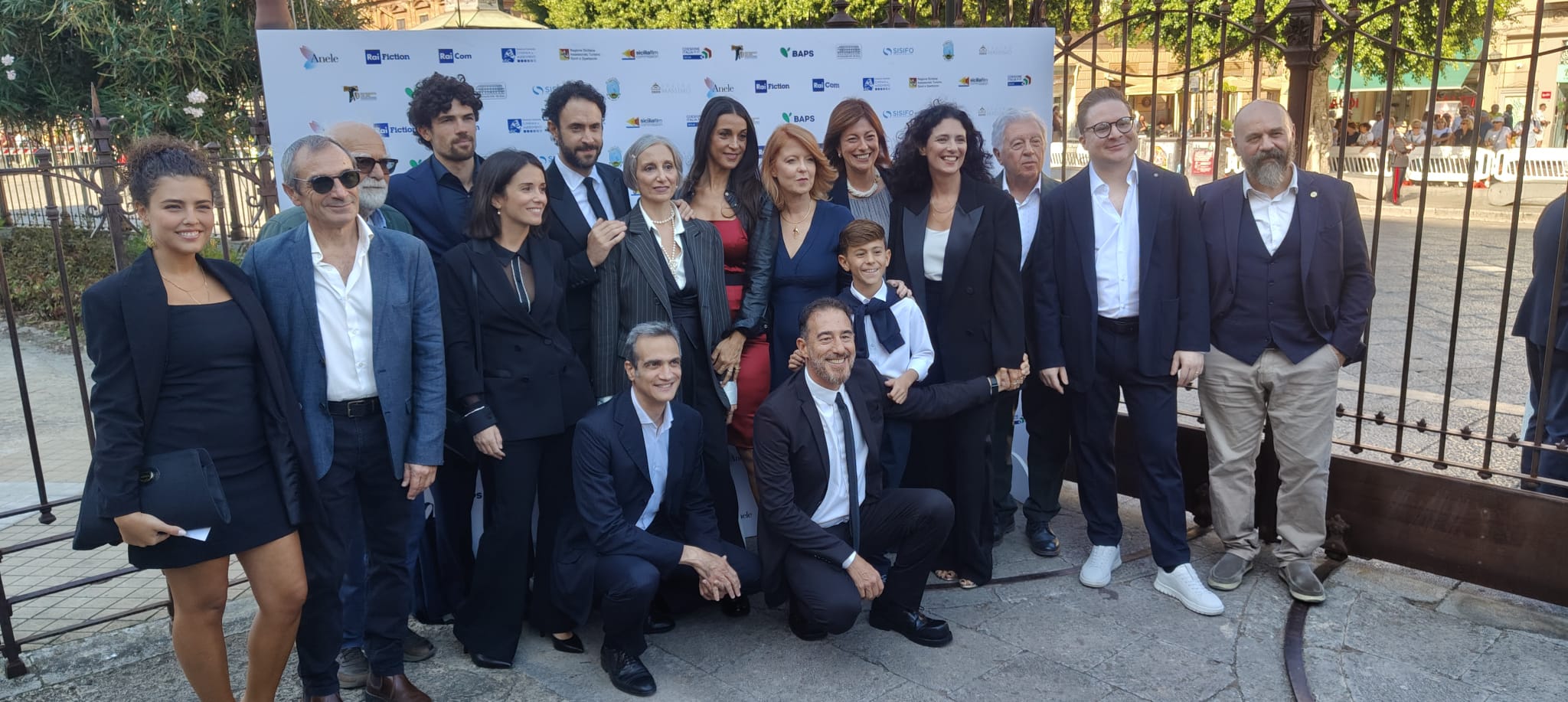
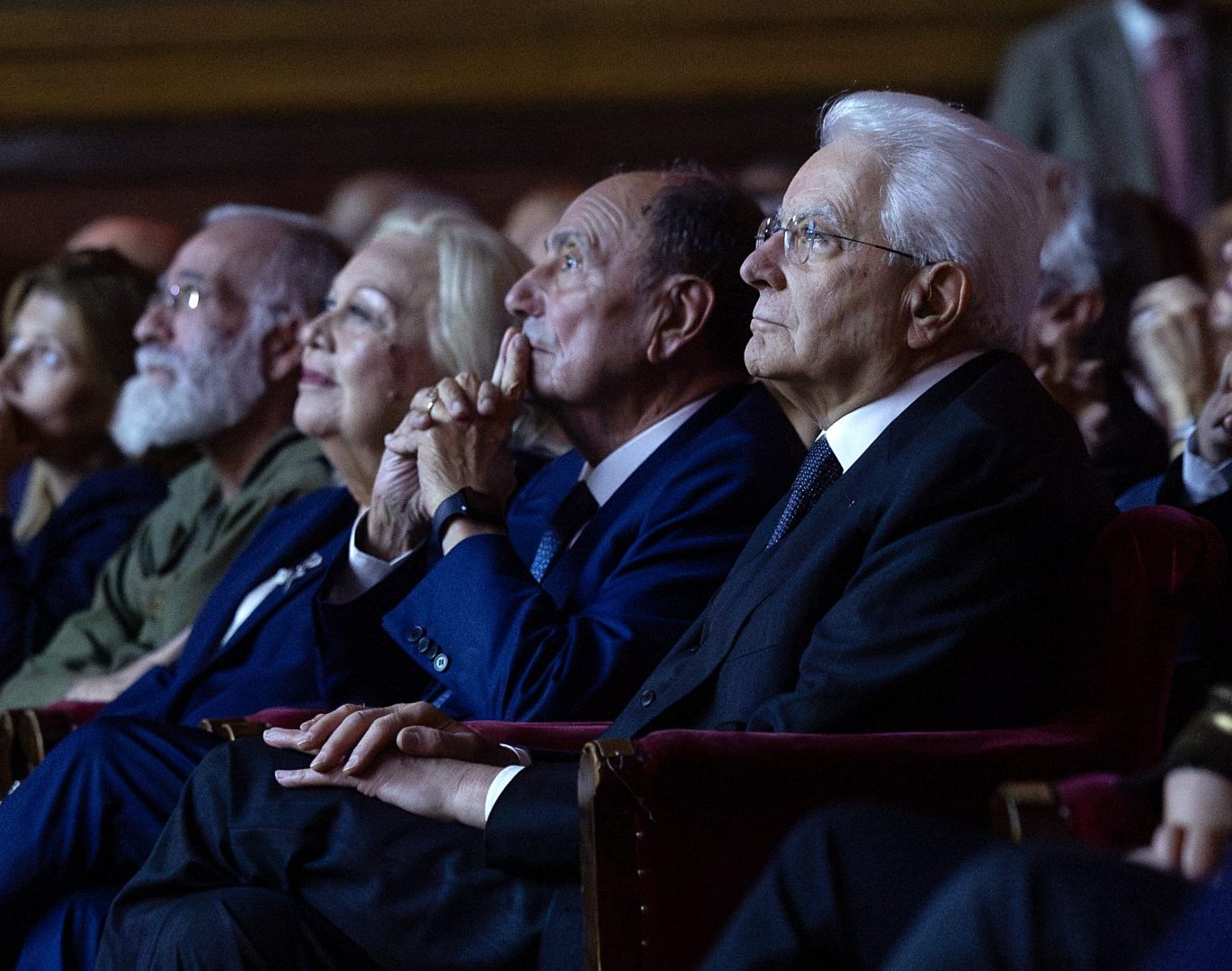
PALERMO (ITALPRESS) – The emotion of seeing his work completed, the impatience of sharing it with the President of the Republic in the immediate and with the great public Sunday: this is the general feeling that, at the entrance of the Teatro Massimo, accompanies all the cast of ‘On the path of Francis. The life of Biagio Conte’. The film, directed by Costanza Quatriglio, will be broadcast on 11 October in the first evening on Rai 1, but today a moment of great sharing with the reproduction previewed in the presence of Sergio Mattarella: the appointment also attended the president of the Renato Schifani Region, the mayor of Palermo Roberto Lagalla, the prefect Massimo Mariani and the representatives of the military and religious authorities. In order to make known in the first line the film that traces the existence of the lay missionary, interpreted by Alessio Vassallo, could only be chosen the most symbolic place of the Sicilian capital: a way to pay homage to the work of Biagio Conte in support of the last, so that his example is transmitted to the young generations and to the entire citizenship.
However, an inconvenience of technical nature has stated the early end of the projection, which has been interrupted in more than one occasion due to a malfunction. In the end, the decision was to stop the projection and Mattarella left the Teatro Massimo, receiving from the crowd the same applause that had been defeated at the time of the entrance.
“This film is really a milestone for me, not only career but also life – Vassallo points out, – It is a huge character and a responsibility that I feel so much to be revealed. Biagio Conte is a revolutionary boy, who unfortunately disappeared a few years ago but who has totally broken down the distance between those who are helped and those who help: even when we help someone we put a distance to protect us, he instead becomes last among the last and lowers that distance leaving us a very important message. To replicate his life is almost impossible, as he said it is only necessary to pray: what happened in me is that from today, when someone asks me for help, you must always accompany the gesture a word also asking simply ‘how you are’; we must always think that there are human beings before us. I am also very happy because we tell a Palermo that welcomes, linked not to movies of mafia but to a sense of brightness, of love, of good: I hope this film is seen throughout Italy. If this is the most important moment of my career? I think so, but a moment like this is also difficult to join the career: it is a private moment that I share with my fellow citizens, we are all united to try to give light to a fundamental character for our land and for all Italy”.
The actor then recalls the moments lived in close contact with Biagio Conte: “I was lucky to meet him 15 years ago: thanks to a book by Giacomo Pilati I read his story and I knew that in Palermo he represented a common jargon, I remember that I went to the Mission and when it arrived it was enlightenment. He told me so much about him, as an actor I asked myself ‘who knows if one day’ and here we are: he left me so much, he made me understand how important it is to look out of us and give a face to these people mistakenly called invisible. His great revolution and give a dignity to these people, not only with a warm meal but crumbling together and working: it is thanks to the wise hands of these last brothers that the Mission Hope and Charity was born. He was a very distant character from me, I did six months of preparation losing almost 10 kg: the only thing I could do was start from the body and spend so much time at the Mission. This experience has left me the idea that sometimes we all tend to clean our conscience only with gestures, because using the word takes too much time: many people need to be heard, so we all have to be more listening with others. Biagio Conte is very soil, as well as St. Francis is near Christ: he gave his muscles, his bones and his blood to others. Among the scenes I have most to heart there is one: many of the films were really brothers and sisters of the Mission, in one of these scenes I was lying for a fast and a little girl ran from me kissing me on my head and telling me ‘I miss you’. I stayed a little quiet, then as soon as we talked, he told me that he lived in the Mission and was born there: through the eyes of that little girl I saw Biagio and I saw God, because in the end God is really a concrete action”.
Sharing the fruit of his work with Mattarella, says Quatriglio, “it is very beautiful and exciting: it is an event of return to the city and of presentation of a work on which we all really put the soul; we are very happy that Mattarella honored us of his presence. I have several scenes from the film at heart, but I prefer not to say which: sometimes even a very small scene can be an epiphany and I think that for us this film on Biagio Conte has been an adventure of this kind. In a seemingly small work we put together something great: we believe we have succeeded, we hope that the audience embraces it as we have embraced it. The greatest emotion in making this film was to continually test me with respect to work together with actors and people welcomed by the Mission Hope and Charity: it was a continuous putting me into play and it was deeply exciting. Every film is an experience to itself: doing it in my city and in the places I attended as a girl, drawing on the memory, it was very beautiful.”.
One of the main characters next to Biagio Conte is Rosa, interpreted by Donatella Finocchiaro: it is, explains the actress, of “a woman who suffered violence from her husband and decided to escape from this destiny, asking for help to Biagio Conte: there is a very beautiful scene in which we exchange a very intense look, which makes us perceive the relationship between the two. Rosa is the sun of all the women who helped Biagio in the community: it will not by chance then give a hand to build the Mission just in the part that concerns women alone or who needed help. I think Rosa’s message is something very nice to convey to women: we must not suffer violence or lower our heads, but work on self-esteem. You can also escape from this fate of violence: sometimes women do not know or do not think so, because they do not have an alternative and often remain slaves of this destiny. This film has left me so many emotions: returning to work with Constance Quatriglio was a comfort zone for me, there is great esteem and affection. In Palermo I have come so many times to film: it is a bond that never ends. Biagio Conte for me is an enlightened one, it is not by chance inspired by the life of St. Francis: he was not a priest but a lay missionary and, regardless of religiosity, he had a great sense of spirituality”.
The aim of the film, adds Finocchiaro, is to “discuss consciences and exhort to look a little inside, but also to welcome and embrace others: this is what Biagio Conte did, spent all his life defending the marginalized and the people who had no protection, money or food. His fastings were a very courageous form of protest: he annihilated the body and annulled the primary needs to send a strong message, that is, there are other needs to look at. The message of Biagio should not remain relegated to Palermo: to make it known to all the public of the Rai is beautiful and allows to cross Sicily; also the 800 year anniversary from the death of San Francesco represents a good coincidence. Seeing the film together with the President of the Republic makes me really excited: Biagio Conte has shaken the consciences about welcoming in a period in which Palermo was torn apart by the massacres of mafia, it was in the forefront to say that there are also the poor and knocked at the door of the institutions”.
Among the main characters is also the father of Biagio Conte, interpreted by Antonio Catania: “It’s hard for the fathers to understand their children, then when we find a kind of bomb in which the son passes from helping to work and being a point of reference to throwing everything in the air and questioning the love for the family is impossible to accept such a thing. My character even has a reaction of anger, but it also hides the deep feelings of a father who loves his son unconditionally: in the end this anger explodes, because he realizes that the son has done something great. All fathers should accept the fact of seeing a son convinced of something and determined in carrying him forward because he believes us: for a parent should be a reason for comfort, not despair because he did not do what the family thought he should do. For me too it was like this: when I decided to be an actor my father did not fight me, but he saw something that was important to me. Today, among the children there is a lot of apathy, I am always on the computer or behind the phones: if my son finds something that excites him I would just be happy”.
– photo cover and photo first gallery Quirinale –
– second photo gallery xd8/Italpress –
(ITALPRESS).
– foto seconda gallery xd8/Italpress –
(ITALPRESS).