
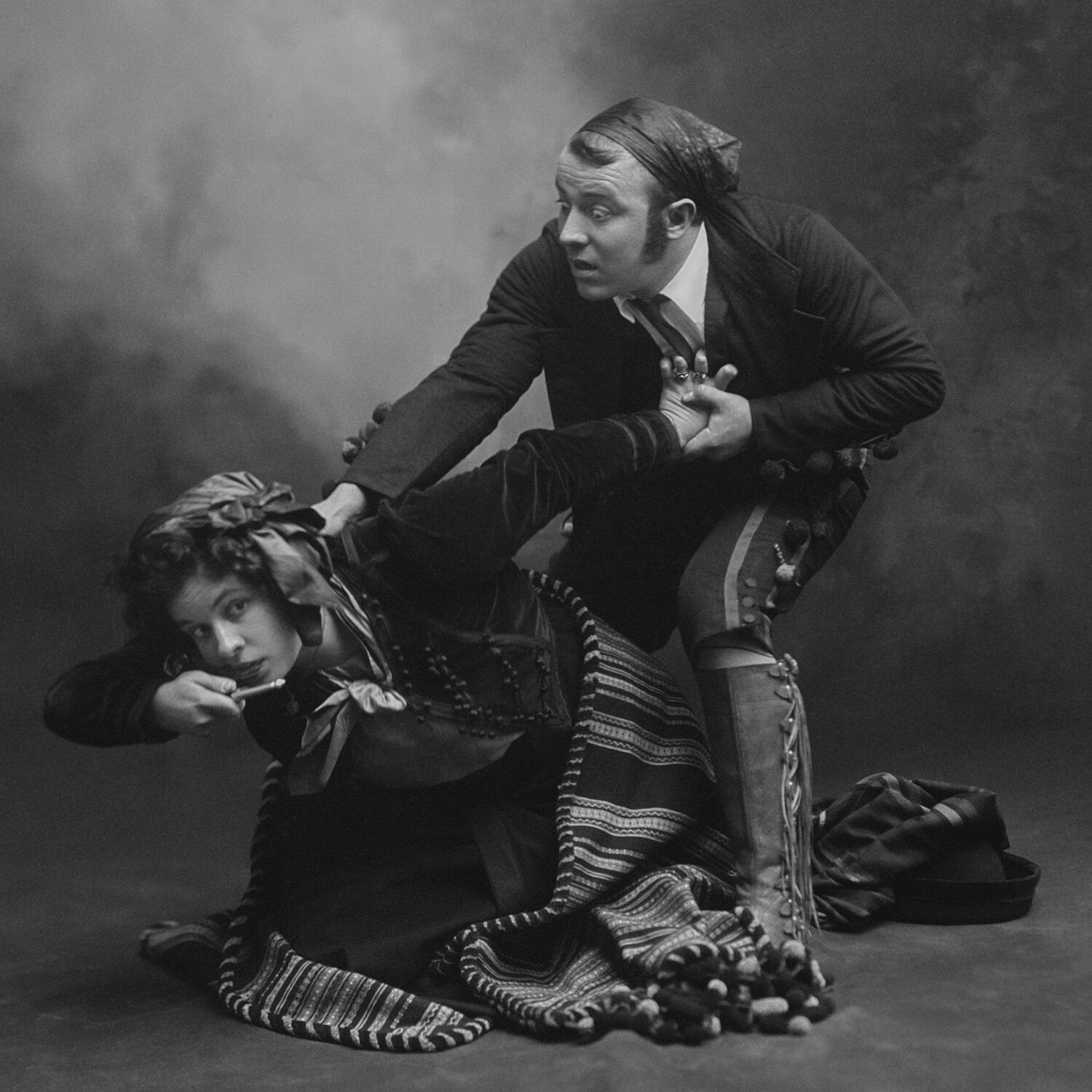
We are talking about an Italian excellence loved all over the world, the temple of music. A place that fascinates not only anyone who enters it. One cannot fail to appreciate the choice of Veronese tenor Giovanni Zenatello, who chose it as the theater, with perfect acoustics, to celebrate the 100th anniversary of Giuseppe Verdi’s birth in 1913. It was a resounding success. Thus was born the largest open-air opera house in the world.
As his great-grandson of the same name, a Veronese tourism entrepreneur who lives in Verona, tells us: Uncle Giovanni had opened a singing school in New York to get European artists booked in the United States… At that school one day a girl showed up, accompanying the wife of a famous New York lawyer on the piano, who was looking for a booking from the great tenor: the uncle discarded the lady and, after listening to her, immediately booked the girl, to sing at the Arena in Verona. She was Maria Callas. She arrived at the Hotel Accademia in Verona where she lived with my family for several months. She had nothing, really nothing, but a stellar talent (and a good temper).
But who was Giovanni Zenatello? Not just a tenor but an impresario, an extraordinary man, the son of bakers in Verona, who from a young age had shown a deep passion for singing and certainly not for the family workshop. So he left for Milan, in search of writing: with a cardboard suitcase. He went hungry, the real thing added his grandson.
My great-uncle was nicknamed the “canary tenor” because, in order to get noticed, he wore a yellow coat in the winter that he then pawned at Monte di Pietà so he could eat. He worked his way up through the ranks in minor theaters in the Meridione settling for substitutions as a baritone until he got the opportunity to make his debut as a tenor, and Toscanini immediately noticed his enormous potential (from then on he became a protégé of the great maestro). He moved to New York where audiences were divided into two real fans, some for Zenatello singing at the Manhattan, some for Caruso (with whom he had a true relationship of esteem and friendship) singing at the Metropolitan. He became an international star, singing everywhere with great success: London; Madrid, Barcelona, Vienna, New York, Buenos Aires, Moscow and in the world’s greatest theaters. In Mexico Pancho Villa tried to kidnap him during a tour to have him sing in his camp, Baron Rothschild became a loyal admirer of his, he became friends with the King of Spain, the Queen of Austria, Pablo Picasso who spent his vacations at Uncle Giovanni’s villa in Cadaques…. But he always remained a man of modest origins, a lover of the people, of poor people. He had become rich, famous, and he always had in mind his Verona, his city that he wanted to reward in some way “for the good fortune that life had given him.” And so, in one of his rare (because of artistic commitments) returns to the city, he donated a very large sum of money to the mayor so that he could build a singing school for poor children, but that was not enough for him. And one evening, sitting in Piazza Brà with impresario Ottone Rovato, maestro Serafin and maestro Cusinati, he had a brilliant, crazy intuition: he entered the Arena and made a high note of his own. Maestro Serafin confirmed that the acoustics, incredibly, worked, and so my uncle Giovanni in 1913, in honor of Giuseppe Verdi, inaugurated the first performance of Aida in the Arena. The chronicles of the time went crazy: 25,000 people arrived, with boats on the Adige, on foot and on horseback in wagons from the countryside (the bersaglieri intervened to break up fights, there were arrests because people wanted to get in … thousands stayed in the square to listen). At that time there was no TV, no cinema, no football…. Uncle fulfilled his dream: to make even poor people live what until then had been the privilege only of the rich. I’m tired of singing only in front of bejeweled ladies, he said. A triumph, with a huge financial commitment. He financed, his great-grandson always recounts, many seasons out of his own pocket, to the point of committing almost all his substance, but he did not give up.
How is John Zenatello remembered in Verona today?
It touches a very sore point. I would say that the saying “nemo profeta in patria” in this case fits the situation perfectly. John Zenatello is very little remembered, perhaps because his story is little known to the people of Verona. I, in my own small way, try in every way to bring this character to light so that he can be given due credit. I really would have expected more from the city, the institutions and that business world that after all owes him so much also in economic terms. Since that August of 1913 Verona has emerged from its provincial reality. Really there is no culture of memory or gratitude, and that is a real pity.
It is estimated that the opera season produces an income of about 500 million euros a year! A stratospheric figure for a city of our size. Every year since 1913, except for the period of the two wars and Covid, this miracle has been repeated, on time. Perhaps because of this, the Veronese consider it a natural event, like snow in the mountains or sunshine at the sea, but it is not. Organizing and staging opera seasons is a huge, grandiose, difficult effort. Thousands of people work in the Arena Foundation. It is fascinating to know the organizational effort and what goes on for 10 months of the year behind the scenes of the performances. Certain grand sets can only be seen and enjoyed here. Zenatello used to say “the Arena is the only theater in the world where music can be heard even with the eyes,” and he was right. We are fortunate today to have a superintendent who has restored the Arena to its former glory after some really difficult years: I cannot fail to mention Cecilia Gasdia, and really thank her on behalf of the whole city for what she has done, what she is doing and what, I really hope, she will continue to do for many more years.
You, what would you suggest we do to pay tribute to Giovanni Zenatello, a Veronese who loved Verona so much and helped make it world famous…?
Mah… a statue in Piazza Brà would be a must in my humble opinion, so that all Veronese would have a way to remember him and tourists would be interested in the origins of opera in the Arena, in the secondary I would like that at the beginning of each opera season, at the premiere of the opera, at least the creator of what is shortly to be staged would be remembered. – He concluded: -I would accept any – serious – suggestion to pay just homage to this crazy visionary who made his city famous.
The article From Verona to New York, story of Giovanni Zenatello, the man who invented the Verona Arena comes from TheNewyorker.
