
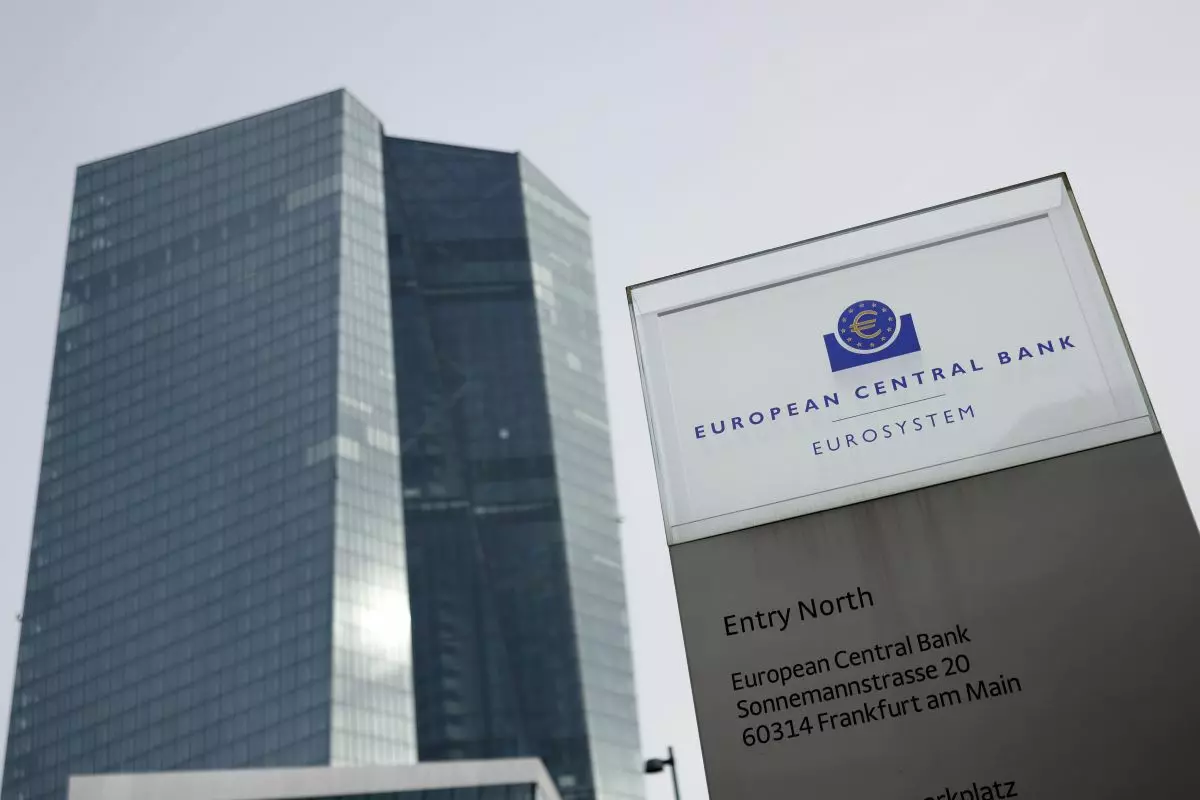
ROMA (ITALPRESS) – The Governing Council of the European Central Bank decided to move to the next stage of the project on the digital euro. This decision follows the successful completion of the preparation phase, which was initiated by the Eurosystem in November 2023 and laid the basis for the issue of a digital euro. The Governing Council’s decision is in line with the demand of European leaders to speed up progress on the digital euro, as stated recently at the Euro Summit in October 2025. A digital euro will preserve the freedom of choice and privacy of European citizens and protect the monetary sovereignty and economic security of Europe. It will promote innovation in payments and will help make payments competitive, resilient and inclusive in Europe.
The Eurosystem will carry out the preparations in a flexible manner, in line with the invitation to it addressed by the euro area leaders to prepare a possible issue of the digital euro as soon as possible, even if the legislative process has not yet been completed. In the event that European co-operators adopt the regulation on the establishment of the digital euro during 2026, the pilot exercise and initial operations could be carried out from mid-2027. All the Eurosystem should therefore be ready for any prior issue of the digital euro in 2029.
“The euro, our common currency, is a sign of European unity,” said Bce Christine Lagarde. “We work to make its form more tangible – the euro cash – ready for the future, redesigning and modernising our banknotes and preparing for the issue of the digital cash,” he added.
“This is not just a technical project, but a collective effort to adapt the European monetary system to future needs,” said Piero Cipollone, member of the Executive Committee of the ECB and president of the high-level task force for a digital euro. “A digital euro will ensure that citizens enjoy the benefits of cash even in the digital age. It will strengthen the resilience of the European payment landscape, reduce the costs for traders and create a platform where private companies can innovate, expand and compete,” he added.
The final cost of a digital euro, both for its development and for its operation, will depend on its definitive configuration, including the associated components and services that must be developed. As a result of the work done in the preparatory phase, the total development costs, for the components developed externally and internally, are estimated at approximately 1.3 billion until the first issue, currently expected for 2029. Subsequently operating costs would be around 320 million a year from 2029.
– Photo IPA Agency –
(ITALPRESS).
