
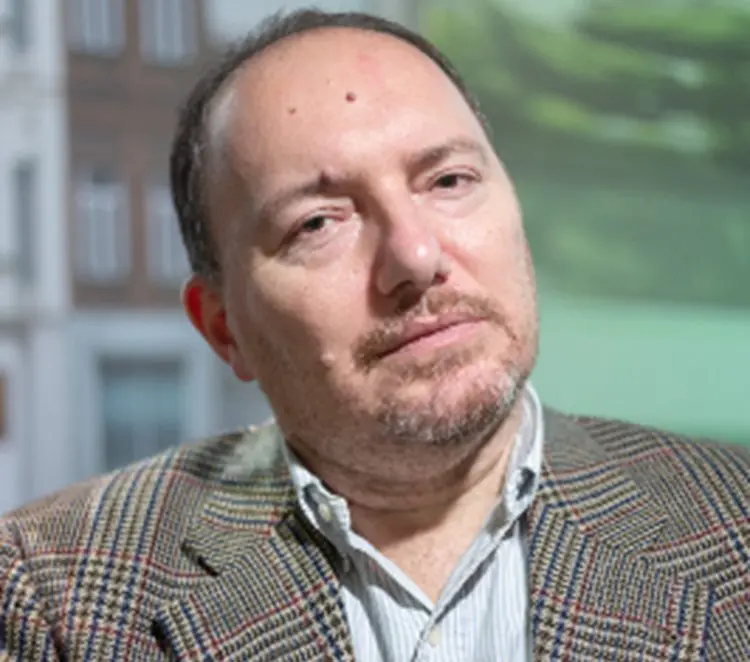
MILAN (ITALPRESS) – Giuseppe Riva, director of Humane Technology Lab of the Catholic University of the Sacred Heart on the campus of Milan, today received the APA 2025 Award from the American Psychological Association for the “Contribution Eminente to the International Progress of Psychology”, award that since 1991 honors only the most influential figures of world psychology. This is the first time that this prestigious award is awarded to an Italian researcher.
The Committee for Global Psychology of APA has rewarded Professor Riva for his “ pioneering researches, innovative technology applications and a deep commitment to promoting international collaboration and mentoring in the field of psychology.” His research has literally defined a new scientific field: cyberpsychology. Professor Riva was instrumental in exploring how artificial intelligence, virtual reality and social media transform human behavior and cognitive skills, creating innovative bridges between psychology, neuroscience, engineering and computer science. 2The long-term contribution of Professor Riva to the international progress of psychology through pioneering research, international leadership and innovative technology applications make it an exemplary candidate for this prestigious award,” said the Committee for Global Psychology. “His work has had a lasting impact on the field and continues to inspire and shape the next generation of psychologists.”.
Professor Riva has dedicated recognition to his entire team of researchers at Humane Technology Lab, underlining how this award represents the crowning of years of collaborative and interdisciplinary research. In receiving the award, Professor Riva also shared his vision of his research field: “Today cyberpsychology, the study of the impact of the digital world on human mind and behavior, is at the same time a practice of cultural resistance, a form of critical awareness, a laboratory to imagine a new alliance between mind, technology and society. Cultural resistance, because it opposes the acritical naturalization of technological processes, showing that they are not inevitable but result from changeable human choices. Critical awareness, because it develops tools to decode mechanisms through which technology influences behavior. Laboratory of future, because it experiences alternative models of relationship between humans and machines”.
– photo press office Catholic University –
(ITALPRESS).
