
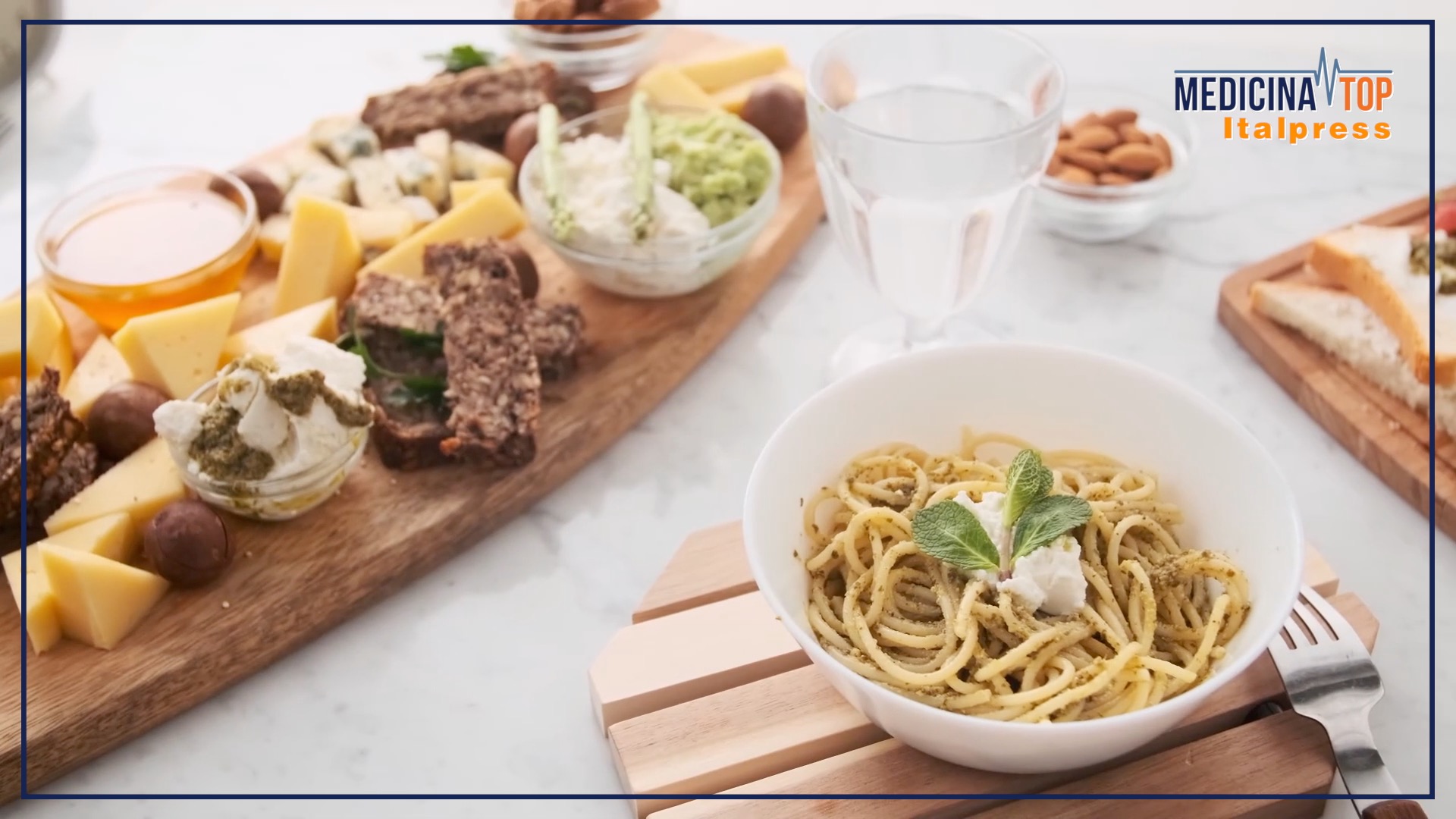
MILAN (ITALPRESS) – In recent years scientific research has confirmed what many traditional cultures have known for a long time: nutrition is one of the most important factors to promote longevity and maintain a good quality of life; eating well does not only avoid diseases, but also support the body and mind over time preserving energy, clarity and vitality. The correct nutrition allows to reduce chronic inflammation, protect the cardiovascular system, support the intestinal microbiota and maintain stable metabolism, ideal conditions for a long and healthy life. “Life diets and styles are certainly the basis of our health and healthy old age: in Italy we have the Mediterranean diet, which is copied from all parts of the world, but we import all the bad habits of other parts of the world; the Mediterranean diet not only teaches us to eat, but also how we must behave”, said Nicola Sorrentino, doctor, dietologist and nutritionist, interviewed by Marco Klinger for Medicina Top, TV format of the news agency Italpress
Sorrentino then lists a series of foods that can promote healthy nutrition: “Frutta, vegetables, cereals, pasta, rice, bread, polenta better if integral, white meat, fish, legumes, extra virgin olive oil: seasonality and quality of products is fundamental, but also quantity; the poor management of the latter causes a certain food to become harmful. The good fats are those of olive oil that is rich in polyphenols, oleocantale, oleuropein, hydroxythyrosolo; blue fish and salmon instead contain Omega 3 fats, dried fruit contains unsaturated fatty acids. On the protein we go instead in a more mined field: hyperprotective diets hurt, intoxicate our organism, but there are so-called sirtuins that are highlighted when we fast and are present in very precise foods such as cocoa, Matcha tea, cereals such as buckwheat and quinoa, vegetables such as broccoli, cabbage and cauliflowers.”.
To slow down cell aging, he adds, “I suggest a chromatic diet: all foods of yellow, orange or red color have betacarotene pigments, even red tomato contains lycopene; However, the latter can only be assimilated if it is cooked. Green vegetables contain glutenin and chlorophyll: spinach water, for example, instead of being thrown it should be reused to make repatriating soups. Purple foods, such as blueberries and berries, contain powerful cardiovascular antioxidants; garlic contains sulfides, onion Quercetin and so on.”.
Sorrentino’s analysis then moves on fasting, called “the most discussed diet of the moment: First of all, you have to understand if you do it to lose weight. One type is fasting 12-12, in which for 12 hours you do not eat and for the other 12 you can do it: there are also the 16-8, which is the most used, and the 5-2, in which you eat in five days of the week and not in the other two. Skip breakfast and then eat at lunch and dinner is not fast: the most serious passage is self-phagia, with the death of old cells and the regeneration of new ones; if fasting is done seriously becomes a real anti-aging diet”.
“My first suggestion to stay well – he adds – is to make visits and ematochemical examinations: a diabetic could never fast, as it suffers from many other pathologies. Personally what I do is a fast 23-1, in which I eat only in the evening but simply because I have no time to do anything: for breakfast I limit myself to drinking water. However, this is a scenario that I would never recommend to a patient of mine, because I must necessarily do what the guidelines of proper nutrition say: 300 scientists have told us that three snacks must be made, namely lunch, dinner and breakfast, so I care what they say.”.
The dietician concludes with a series of guidelines for the elderly, which “compared to young people have less muscle mass, less water in the body and a lesser tendency to absorb vitamins and mineral salts: you need to change their diet a bit, increasing protein and water and consuming a lot of fruit and vegetables. The World Health Organization tells us that we have to do 150 minutes of sports activity a week, but equally important is conviviality: I also stress that without carbohydrates we cannot live, they must be between 40% and 60% of total calorie intake.”.
– photos taken from video Medicine Top –
(ITALPRESS).
