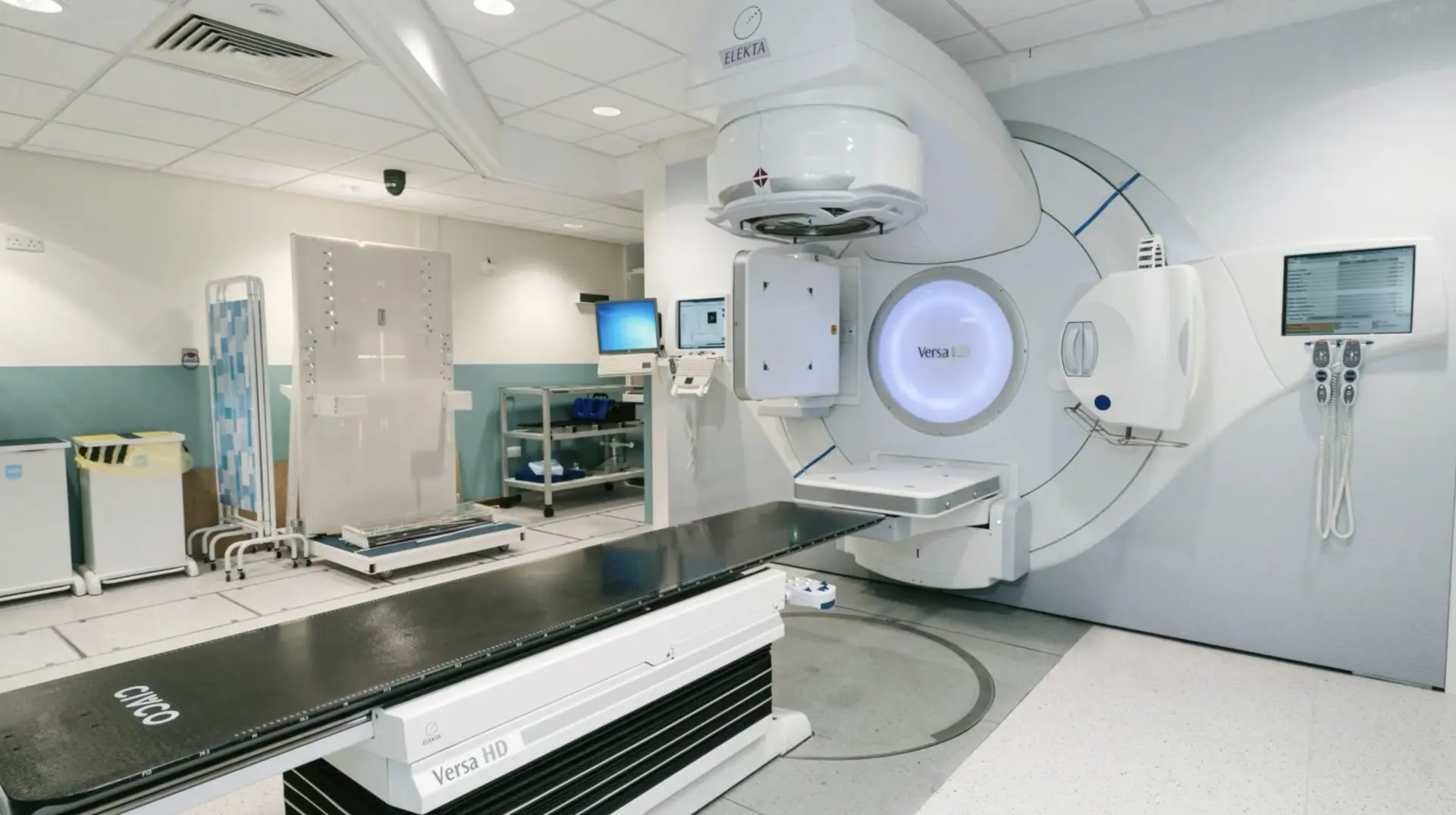
MILAN (ITALPRESS) – Radiotherapy is used in the treatment of tumors to destroy malignant cells or prevent its growth: Thanks to increasingly sophisticated technologies, ionizing radiation is directed precisely in millimeter on the lesion, saving as much as possible healthy tissues nearby. Radiotherapy can be used in different stages of the oncological path: can be curative, when aiming to completely eliminate the tumor; adjuvant, after surgery, to reduce the risk of relapse; palliative, when it serves to relieve symptoms and improve the quality of life of the patient.
In some cases it is used in combination with surgery, chemotherapy or immunotherapy, as part of a multidisciplinary approach: In recent years the results of radiotherapy have grown a lot, thanks to the introduction of precision techniques, advanced imaging and planning systems that make treatments more effective, faster and better tolerated.
“In recent years, we have taken giant steps with radiotherapy: This concerns both tumors, the most frequent as the rarest, and metastases therapies, in patients who have few as in small relapses,” said Barbara Jereczek, director of the Radiotherapy division at the European Institute of Oncology in Milan, interviewed by Marco Klinger for Top Medicine, TV format of the Italpress press agency.
The first thing to do, he adds, “is to personalize therapy, make it tailored to the patient through the choice of patterns, treatment techniques and possible integration with other therapies that may be surgical, chemo or recourse to other drugs: Another important challenge is access to care, which is not only linked to the problem of the availability of machinery in Italy and Europe but also to organizational culture. In Europe, a patient of four gives indications on radiotherapy rather than receiving it: This happens because the case is not discussed with a multidisciplinary approach, it is a problem that concerns the organizational network.”.
Many innovations: innovative technologies, such as artificial intelligence, can facilitate faster therapy. “The main novelty concerns technologies with Imaging, both in the diagnostic and executive phase – explains Jereczek, – In terms of innovative therapies there are short, lasting from one to five sessions, but there are also more advanced forms such as protontherapy. Artificial intelligence is part of our daily journey: we already use some systems that make use of it for the definition of the volumes we treat or for self-planning, but in the future it will help us to choose even more tailor-made treatments and, even if it cannot replace the doctor, can surely allow us to improve the quality of the treatments. In the next decade those we will do will be even more personalized, based on biological and genomic data: In addition, treatments will be shorter and shorter, until patients have a session or three.”.
Another important step is the integration with new drugs: “Today there are already fantastic protocols, where we see in the therapies periods without progression or very high answers. As radio-oncologists we collaborate with many specialists: together with family doctors we have many technologies, but obviously the patient remains at the center of everything. The most frequent fears concern potential invasive treatments, because you are afraid that you cannot make a normal life during therapy: radiotherapy is not invasive, because it is an outpatient treatment without blood and pain and the patient is not radioactive; Plus a healthy lifestyle can reduce some side effects like tiredness. Today, for some therapies, five sessions take place in a week, while eight weeks last first: This is a great advantage from both organizational and clinical point of view.”.
The last aspect on which Jereczek focuses is his role as president of the European Society of Oncology: “My mandate is a great responsibility, but also a pleasure: the main goal is to strengthen our professional community and make radiotherapy more visible and more recognized, because it is a fundamental discipline in cancer care. I will work to promote access to therapies across Europe, invest in training and leadership in young doctors, collaborate with scientific societies and patient associations, better communicate what radiotherapy can do today: The stronger this is, the better treatment for millions of patients.”.
-Photos from video ‘Medicina Top’-
(ITALPRESS).
