
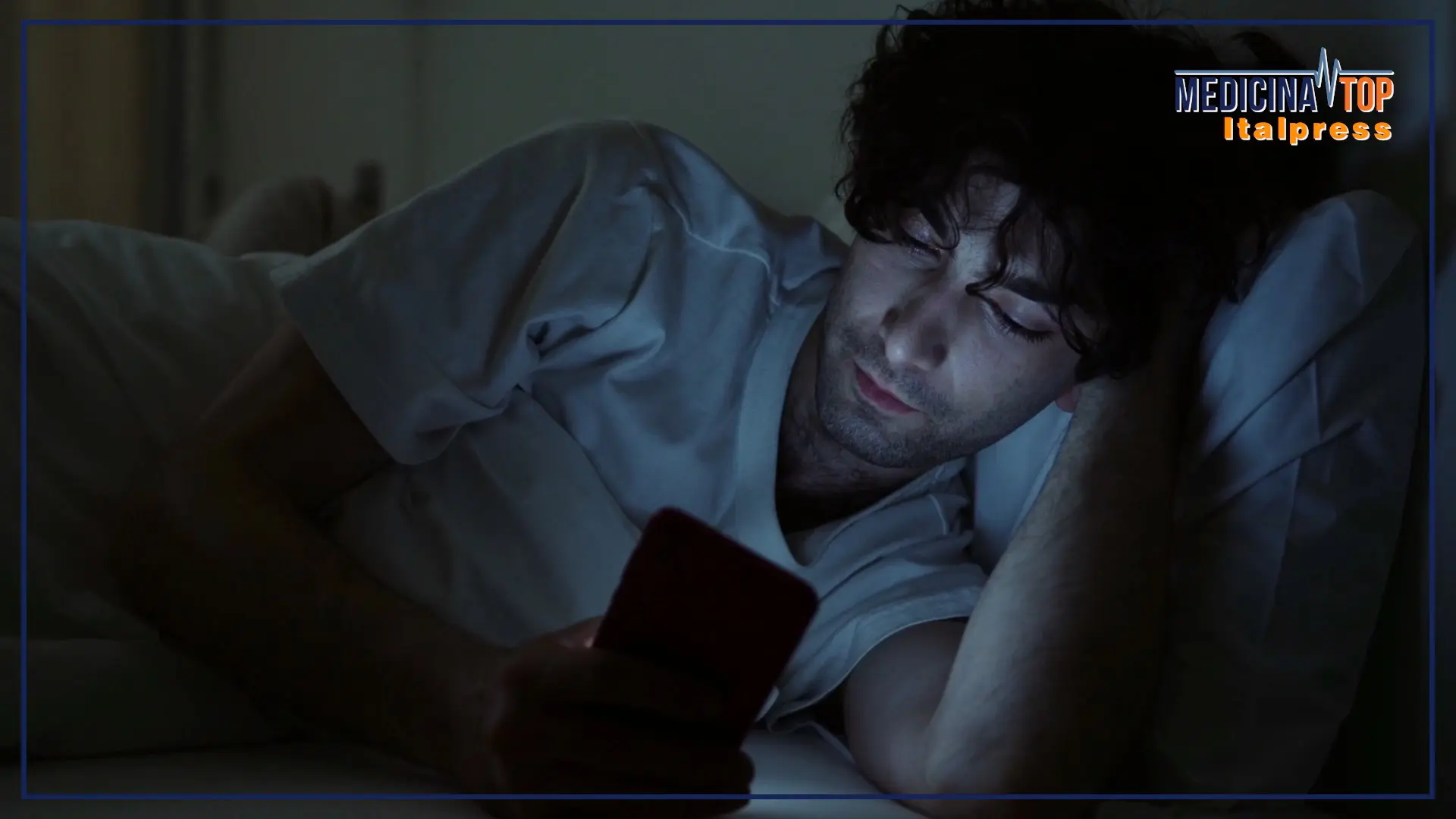
MILAN (ITALPRESS) – Insomnia is one of the most widespread and at the same time underrated sleep disorders, because often considered a simple temporary discomfort. In fact, it is a complex phenomenon that can have significant effects on the quality of life, physical health and psychological well-being of those who suffer from it. In Italy, insomnia affects about 30-40% of the adult population, at least in episodic form. The so-called ‘chronic’ insomnia is about 10% of adults, with a greater prevalence in women and people over 60 years. The causes are often complex: psychological, physical, environmental, and lifestyle-related. With time when not faced, insomnia tends to chronicle, also because those who do not sleep well often develop a fear of sleep that feeds a vicious circle.
“Insomnia is a disorder, it is not simply a symptom, even if it can be found in many diseases, but it is a real disease,” says Luigi Ferini Strambi, ordinary professor of Neurology at the faculty of Psychology of the University Vita-Salute San Raffaele in Milan and primary of the Center of Medicine of the Sonno dell’IRCCS, interviewed by Marco Klinger for Medicina Top, TV format of the agency Italpress.
“To define a subject with chronic insomnia, sleep disorder must be present for at least three days a week, for at least three months. But – he adds – the important and characteristic part is this: that insomnia is not characterized only by a difficulty of sleeping, or of maintaining sleep, but it must be above all present to arrive at this diagnosis a negative aspect of the day, so the subject must be during the tired, irritable day, exactly. This is fundamental for diagnosis.” “If the problem of sleep is mainly related to the difficulty of sleeping, we often manage to get to a possible diagnosis without making instrumental examinations. For example, the problem may be related to having an anxiety disorder, so the subject fails to extinguish the brain and fails to enter the sleep”, or “the restless leg syndrome, the discomfort that one has in the evening when sleeping, cannot stand still and must move”, or even the “premature awakening in the morning, behind which often there is a problem of unipolar depression”, he explains.
Women “are essentially more affected because insomnia is often associated with anxiety and depression, more frequent in women.” In addition, “we have more and more young subjects in our clinics, and this is linked above all to the fact that today we respect less and less the regularity of sleep. We constantly change the time when we go to bed, we make the famous ‘white nights’, and this clearly leads more easily to a sleeping problem.” Our sleep “makes rest the cardiocirculation apparatus, with that particular phenomenon of the fall of blood pressure and heart rate when we sleep: if one does not sleep well, it is therefore at risk of hypertension. Sleep also develops the immune system and, not least, sleep serves to clean the brain from bad proteins,” he adds.
“Very often, especially in the case of intermediate insomnia with frequent awakenings during the night, you have to do tests to see if there are, for example, apneas during sleep, or the shots of the legs that go to interfere very negatively on sleep continuity.” In any case, the diagnosis “is fundamental. If you make a correct diagnosis, in the vast majority of cases you can get control of insomnia. Today we have pharmacological therapies that are not only the classic therapies that go to act on tranquility and pressure on sleeping centers, but we also have drugs with a completely different action, which go to block those that are the receptors to which the orexin, the neuromediator of the wake”. But the therapy considered of the first choice for insomnia “is that cognitive-behavioural, a non-pharmacological therapy that however unfortunately must be done by those who are capable, so it is not always easily accessible”. The sleep coach? “Magari follows principles of common sense, but very often does not understand that for some subjects it is essential to take a specific examination to understand how sleep is: very often insomnia has other issues that must be highlighted with an examination.”.
– Photo taken from video Medicine Top –
(ITALPRESS)
