
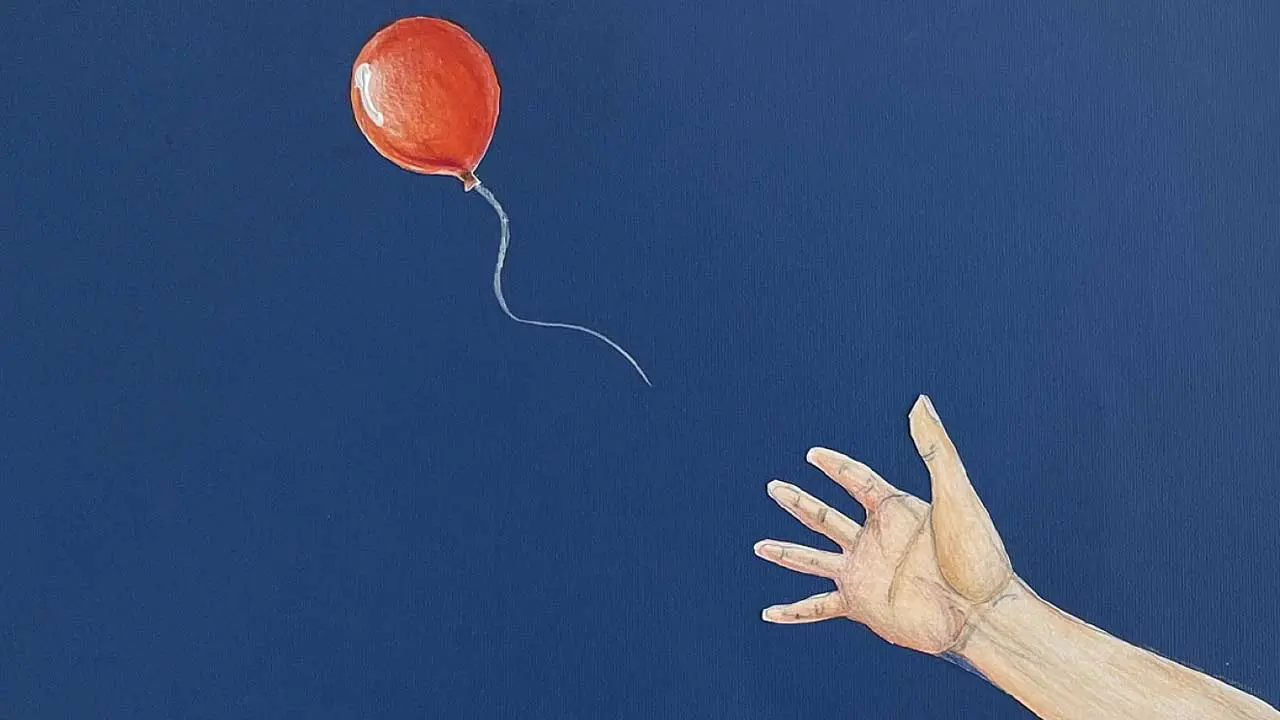
VARESE (ITALPRESS) – “Hello, I am Coco and today I will tell you my story”. Nicola “Coco” Campolongo was three years old when he was killed by the “ndrangheta”. To write today those words are students of the secondary schools of Altomilanese, boys and girls who have chosen to take charge of an uncomfortable and painful memory, giving voice to peers to which the mafia has taken away everything: childhood, the future, the possibility to tell.
From 1945 to today in Italy 117 children and boys were killed by organized crime: from the story of some of their stories was born The mob takes innocent lives. Stories of minor victims told by school boys. The volume, recently arrived in the Italian bookstores, took place from the project RememberTela, is supported by Bcc of Busto Garolfo and Buguggiate, is published by In Dialogo/ITL Libri and was presented this morning during a press conference in Rescaldina. Thirty-one events – different for time, places and context – of children and adolescents united by the same destiny: to be “in the wrong place at the wrong time”, or to be children, grandchildren, relatives of people involved in criminal dynamics.
Coco Campolongo, three years old, killed by the ‘ndrangheta; Giuseppe Di Matteo, twelve years old, murdered after being kidnapped because his father was a collaborator of justice; Simonetta Lamberti, eleven years old, struck and killed in an attack destined to the magistrate father; Emanuela Sansone, 17 years old, killed in 1896 and recognized as “the first woman victim of mafia”, only to name a few. Tell through narrative texts, comics and graphic rework, these stories are not simple school exercises, but conscious attempts to understand, restore dignity and break silence.
The boys don’t explain the mafia in abstract: they tell lives, putting in the center the broken innocence and the responsibility to remember. The book is the fruit of the contest RememberTela. Stories of mafia and injustice, promoted by the social cooperative La Tela di Rescaldina, in collaboration with Libera and with the direct involvement of schools. Students have reconstructed true stories starting from archives, historical sources, books, documentation sites, transforming them into stories, narrative texts, comics and illustrations. In some cases, this work has allowed to sew broken memories, bringing public attention to forgotten names and events, with concrete effects also in the territories of origin of the victims.
To sign the foreword of the volume is Alessandra Dolci, general prosecutor of the Anti-Mafia District Division of Milan, who disassembles with sharpness one of the most resistant false myths, that is, “the mafia does not kill children“.
“An affirmation denied by numbers and, above all, by stories – writes Dolci-. Children killed for revenge, for intimidation, for “rogue”, because mafia violence does not know moral codes or limits. To tell these stories means to remember that there is no “good” or “acceptable” mafia, and that the memory of innocent victims is a collective responsibility. The postfaction is entrusted to Fr Luigi Ciotti, founder of Libera and one of the most authoritative figures of anti-mafia engagement in Italy. Don Ciotti invites you to read the book as a civil awareness tool: not a simple school exercise, but an act that calls the entire society into question.
The force of the volume, emphasizes, is in the eyes of the boys, able to speak to the peers, to the adults, to the families, remembering that memory, if it does not become commitment, risks being only commemoration. At the centre of the project is La Tela, a social cooperative that manages the Social Osteria La Tela, a property confiscated from organized crime and returned to the community. Today La Tela is a restaurant, cultural centre, place of aggregation and legality, committed to promoting the values of justice, solidarity and social responsibility.
“This book was born from the same principle that animates La Tela from the beginning – explains Giovanni Arzuffi, president of the cooperative -. A good torn to the mafia can only return to being a common good if it generates culture, participation and civil conscience. We asked the boys to do something difficult: not only to study, but to enter the stories, to be burdened with a pain that does not concern them directly. The result went beyond any expectation. In these pages there is rigour, empathy, respect, but above all the demonstration that the school can be a place of deep education to citizenship”.
The project was supported by the Bcc of Bust Garolfo and Buguggiate, who recognized in the book an initiative fully consistent with his mission as a community bank. In his presentation of the volume, the president of the Bcc, Roberto Scazzosi, emphasizes that legality is not only respect for the rules, but care for the bonds, mutual trust, construction of the future. “Supporting this project means investing in the civil conscience of our community – writes Scazzosi-. The memory of innocent victims is not a rhetorical exercise, but an act of responsibility for young people, who are called to become aware citizens.”.
The first copies of the book have already been addressed to the President of the Republic, Pope Leo XIV and the Archbishop of Milan. A symbolic but significant gesture, which recognizes the national value of a work born from the territory.
The project has already attracted the attention of the Quirinale, which in recent months has been directly interested in one of the stories reconstructed by the students, that of Vincenzo Mulè, fifteen years killed by the mafia in 1981, bringing his name and his memory to the Presidency of the Republic. The volume is published by In Dialogue, the publishing brand of ITL Books, and represents a rare example of how school, third sector, institutions and cooperative world can work together to transform memory into a live instrument, capable of speaking to Italy. “Because behind every number there is a name, and behind every name a story that deserves to be heard,” concludes the unison Arzuffi and Scazzosi.
-Photos press office eo ipso-
(ITALPRESS).
