
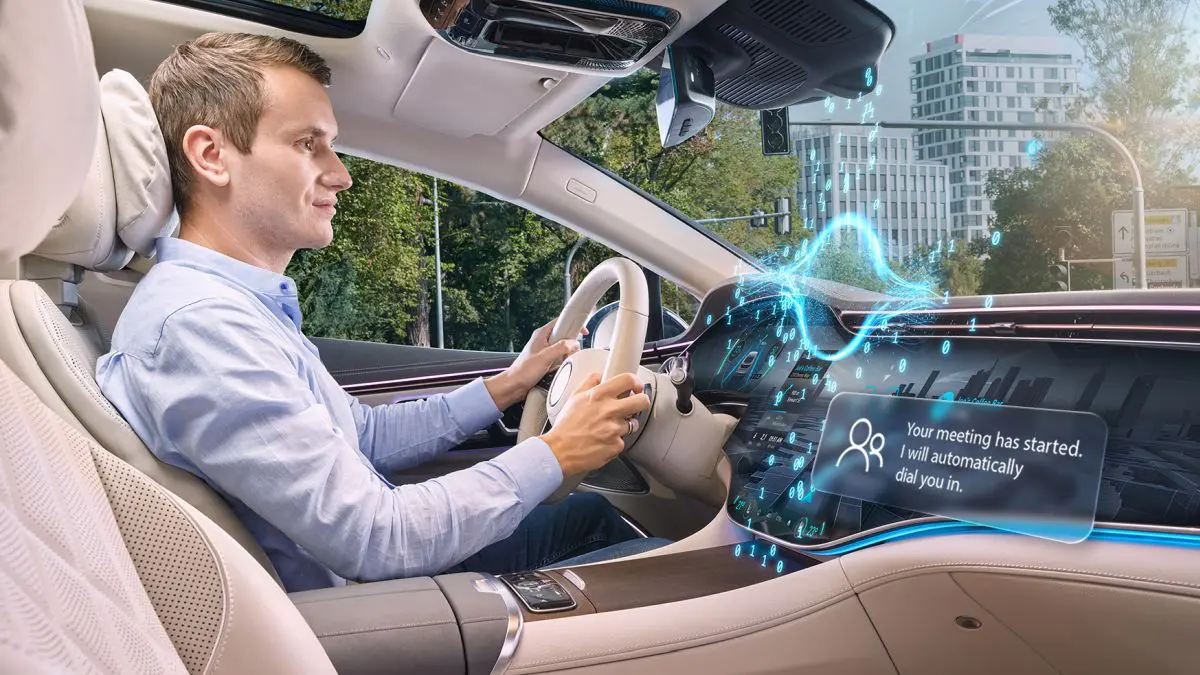
STOCCARDA (GERMANY) (ITALPRESS) – The automotive industry is going through a profound transformation, in which software – and in particular artificial intelligence – is becoming a fundamental element of the driving experience and the edge of the future. Bosch is a pioneer in this field and is taking a decisive step in integrating AI into the vehicle, turning the cockpit into an intelligent and proactive companion. On the occasion of one of the world’s leading electronics trade fairs, the CES 2026 in Las Vegas, Bosch will present its new AI-extension platform, a high-performance AI-enabled computing unit, designed to create an AI-powered cockpit. “The new AI extension platform allows you to quickly and easily update existing cockpit systems with advanced artificial intelligence functions. This makes driving experience more comfortable, intuitive and safe for all occupants of the vehicle,” said Markus Heyn, board member of Bosch and Chairman of Bosch Mobility. With Bosch’s new AI-based cockpit, the vehicle is transformed from simple means of transport to smart partners and able to learn, able to recognize habits, preferences and context in which the driver is located. Bosch’s artificial intelligence cockpit features include a voice assistant capable of anticipating needs, an advanced understanding of the situation of the cabin, precise navigation and wide entertainment possibilities. For example, a simple phrase like “I’m cold” can activate multiple coordinate actions, such as turning on the seat heating and, at the same time, adjusting the room temperature.
“The new Bosch AI-based cockpit allows both drivers and manufacturers to fully exploit the potential of modern automotive software. Thanks to the ‘IA extension platform’, it will be possible to implement new functions in the vehicle much faster in the future,” said Heyn. Bosch sees a significant and growing market for cockpit of this type. Several market research institutes, including Grand View Research and MarketsandMarkets, provide that the market for AI-enabled infotainment solutions will reach a value of approximately 17 billion euros by 2030. Bosch wants to be present in this market: the company previews sales greater than 2 billion euros, with solutions of this type, by the end of the decade and aims to a position of leadership among the first three suppliers.
One of the key applications is to transform the imperative time spent in car into useful working time. In collaboration with Microsoft, Bosch is converting the car into a real mobile office without compromising driver safety. By integrating Microsoft Foundry and cockpit-specific features, the solution provides simple and continuous access to Microsoft 365. Microsoft 365 applications can be intelligently linked to other vehicle domains to prioritize security and minimize distractions. For example, the driver can pronounce a simple voice command to attend a meeting on Microsoft Teams: the system, in turn, activates proactively the adaptive cruise control. This fluid interaction between systems creates a productive and safe travel experience – a significant added value for commuters and people who spend a long time at the wheel. Bosch’s new “IA extension platform” allows you to quickly and easily update current vehicles without modification to existing hardware or system architecture. The platform uses the powerful system-on-chip (SoC) “NVIDIA DRIVE AGX Orin”, which is the basis for complex IA applications within the cockpit. The solution is based on the ultrasound“NVIDIA CUDA” industry standard coat of arms, allowing automotive manufacturers to easily integrate their models and IA agents.
Offering an additional computing power of between 150 and 200 tera-operations per second (TOPS), the compact unit connects via simple power and Ethernet interfaces, and is supported by flexible, air or liquid active cooling options. To speed up the development and distribution of complex AI functions, Bosch also uses NVIDIA software suites, including the “NVIDIA NeMo” framework for managing the entire AI lifecycle. This allows seamless integration of advanced applications within the cabin, such as real-time sensor processing and vision-linguation models (VLM). Moreover, the reasoning and language features, based on the “NVIDIA Nemotron” models, offer contextual understanding, multi-phase reasoning capabilities and voice and conversational interactions with the user. Finally, through Microsoft Foundry, Bosch designs and manages AI on the vehicle, ensuring a scalable and always updated AI service experience in the cockpit.
photo: Bosch Italia press office
(ITALPRESS).
