
MILAN (ITALPRESS) – “The calli show that we work, and maybe that we work more. It would be a great shame for us to have a woman who comes to house cleaning. It means you can’t do anything. Even if I worked and could afford it, I’d still be judged. But in any case, I cannot afford it.” The caption that accompanies one of the photos taken by some Roma women tears a veil on the plot of lived, expectations and pressures that cross their everyday life. The shot was born within an innovative research project that uses photovoice and walking interviews – internationally recognized methodologies as effective tools for working with marginalized groups – to give voice to the experiences and emotions of a female universe, often silent in public debate or narrated in a stereotypical way. Being a woman and being a Roma means, in fact, living in contexts characterized by a delicate balance between family responsibilities, Community norms and external prejudices, a delicate balance which, if broken, further accentuates the risk of discrimination and violence.
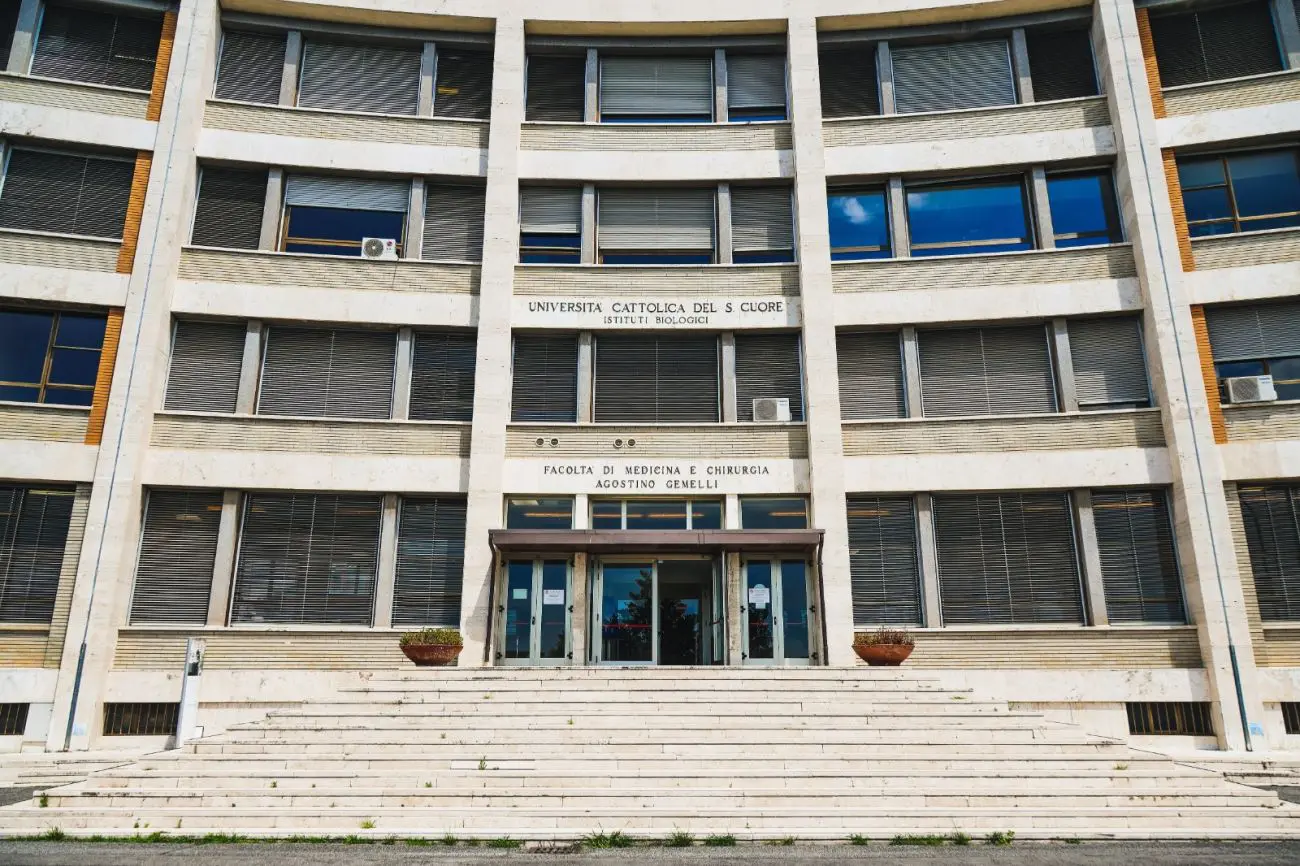
On the occasion of the International Day of the Roma and Sinti, which is celebrated on April 8, the project entitled Romanì. Empowering Roma Women, Improving Access to Health, and Combating Gender-Based Violence (GBV) and funded by the European Commission under the CERV 2024 programme – Daphne has the goal of countering social exclusion, discrimination and gender violence affecting Roma women while improving their access to health and social services. The Roma survey of 2024, conducted on over 10,000 Roma and Traveller in 10 EU countries, clearly shows the degree of gender inequalities within a community in turn marginalized: only 38% of Roma and traveller women have a paid job, compared to 69% of men; less than 6% reported episodes of discrimination (percentage that in Italy rose to 11%), given even lower. In addition, the life of Roma/Travellers women is less than 7.4 years than that of women in the general population. Coordinated by the Department of Sociology of the Catholic University of the Sacred Heart and with scientific reference professor Veronica Riniolo, the project involves three countries – Italy, Bulgaria, Romania – and avails itself of the collaboration of the ISMU Foundation and Caritas Ambrosiana. At international level, the Health and Social Development Foundation (Hesed) is participating in Bulgaria, with a consolidated experience in the processes of inclusion of Roma communities, and the Romanian association E-Romnja, a feminist organization of Roma women.
“In our project we focused on the outgoing routes from discrimination, exclusion and violence, analyzing in depth individual factors, social networks and institutional dimension,” explains Professor Veronica Riniolo, professor of Sociology of inter-ethnic coexistence in the Faculty of Political and Social Sciences of the University. “This is a thorough qualitative analysis of the mechanisms and virtuous factors that allow women to overcome social marginality. In an intricate system of cross vulnerabilities – being a woman, being a Roma and, in some cases, with few economic resources – daily resistance strategies emerge, through clothing, self-care and the surrounding environment and thanks to the desire to design and dream of their future”.
The distinctive element of the project is the methodology used: on the one hand, an integrated approach, combining scientific research, training and intervention on the territory; on the other, a participatory and creative perspective, which enhances experiences, knowledge and skills of Roma women. In particular, the photovoice and walking interviews allow you to express experiences, emotions and experiences even beyond the verbal language, favoring processes of awareness and self-representation. In Milan, the project included group meetings and moments of confrontation with Roma women on issues of social exclusion, discrimination and gender violence.
With the support of a professional photographer, participants took photographs in their everyday contexts. The photographs were subsequently shared, discussed and collectively selected, becoming instruments of critical reflection and dialogue. The materials produced during the research are the basis of a photographic exhibition that will be inaugurated on 7 May at 17.30 at the Casa dei Rights of the Municipality of Milan and will continue later in different exhibition spaces of the city, from the center to the most peripheral areas. The exhibition aims to raise awareness of the phenomena of ethnic and gender discrimination, leading to the focus of public debate the voices and views of Roma women. In this sense, the exhibition is configured as a space for discussion and critical reflection, aimed at countering stereotypes and prejudices still widespread and promoting greater awareness of the phenomenon of gender violence.
– photos of repertoire IPA Agency –
(ITALPRESS).
