
ROMA (ITALPRESS) – In Italy, about 190.000 tons of used lubricants are produced each year, from engines, factories and industrial processes. It is a highly polluting material, contaminated and difficult to manage, but our country has learned to transform into a valuable resource through a circular economy model that has become a global excellence. The Conou, the National Consortium for the management, collection and treatment of mineral oils used since 1984, coordinates a system capable of recovering 98% of the collected material, a result that leaves the United States behind, which is 50%, and the European average which is 60%.
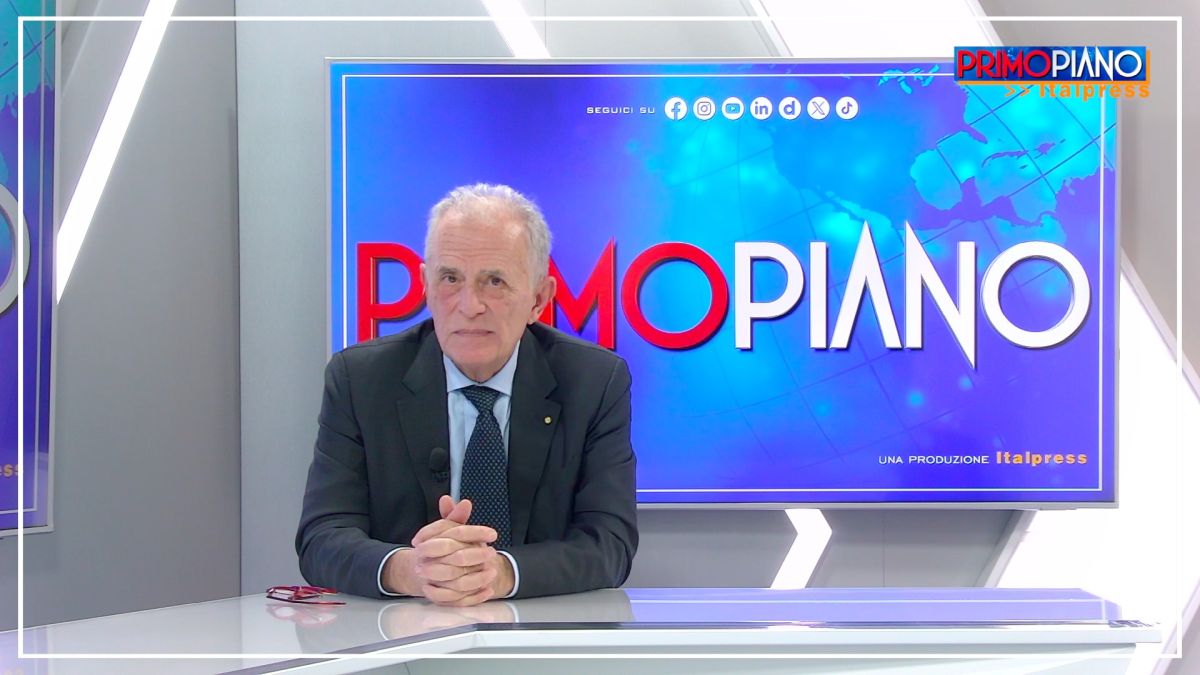
“We start these 190.000 tons in 103.000 different places in Italy, between mechanics, factories, workshops, and we bring them all to regeneration after a careful selection”, explains Riccardo Piunti, president of Conou, in an interview with Claudio Brachino for the Primo Piano section of the agency Italpress. The key to success lies in the qualitative selection of the material: avoiding mixing more or less polluted oils allows to optimize the process of regeneration.
The system is based on a network of 58 collecting companies, born in the sixties before the consortium was established, and three large regeneration plants distributed in the national territory. Overall, the industry employs a couple of thousands of people. From used oils you get bitumen for sheaths and waterproofing, oil and above all regenerated lubricating bases that return to new life in a potentially endless cycle.
Conou acts as a system regulator, establishing quality standards, organizing logistics and encouraging businesses to comply with the optimal parameters at every stage of the process. “We are like the vigilante in Piazza Venezia that was driving traffic,” explains Piunti with a metaphor. “We must be without profit and independent from all actors to be able to effectively coordinate the chain,” he continues.
2025 marked particularly positive results. Despite a substantially stable lubricants market, the consortium has increased the harvest by also recovering the oil contained in the emulsions, those mixtures of water and oil used in manufacturing processes, so today all the mineral oil used is recovered.
The Italian organizational model has attracted international attention. Southern European countries such as Greece and Spain, which have adopted similar systems, achieve brilliant results. On the contrary, where the circular economy is entrusted exclusively to the market, much of the oil ends up being burned instead of regenerated. “It is not a question of interfering on prices, but of guaranteeing the priorities defined by the European directives, which indicate regeneration as a primary objective,” says the President of the Conou.
Digitalization is the future of the supply chain. The consortium has an impressive wealth of data on flows, analyses and 103,000 withdrawal points spread over the territory. An app has been developed to optimize the real-time connection between collecting companies, drivers and picking points. However, Piunti emphasizes how the human factor remains irreplaceable: “The driver of the collection is a fundamental element, with a professionalism and a job that I don’t know if artificial intelligence can ever replace.”
The future objectives of the consortium focus on communication and education. “When I say we are the best in the world, people look at me surprise – emphasizes Piunti –. We must make known this Italian success because it can fuel other successes and contribute to the global circular economy.”
The model made in Italy of the regeneration of the used oils demonstrates how the circular economy can work when efficient organization, rigorous quality standards and collaboration between all the actors of the supply chain are combined. An important lesson in a world where, on 106 billion tons of resources taken from the planet, only 7-8% is recycled.
– Photo Italpress –
(ITALPRESS).
