
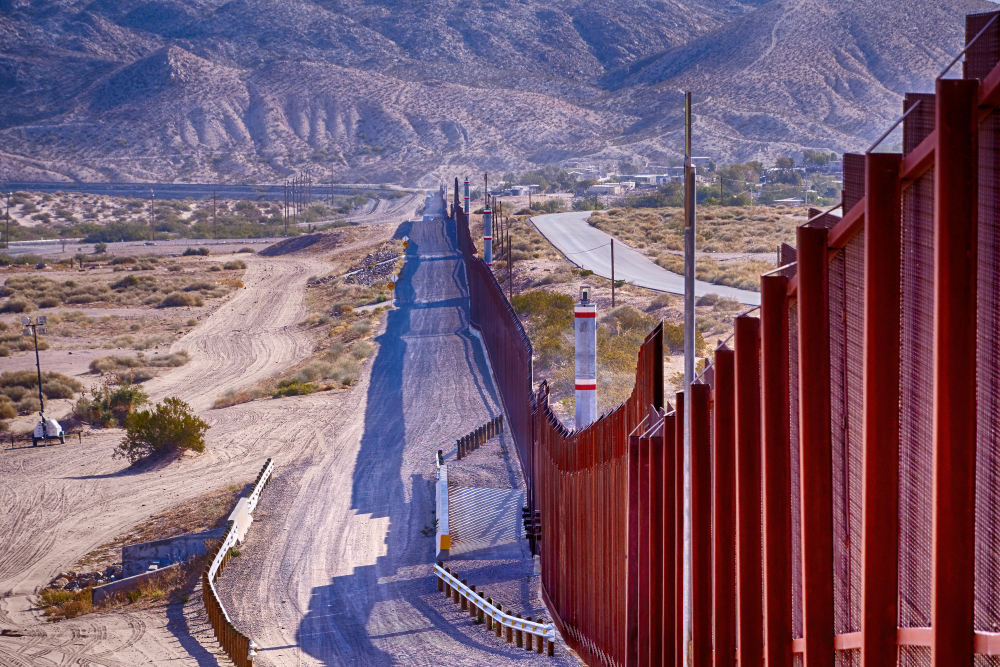
Over the past four years, the wave of migration into the United States has been on an unprecedented scale. Millions of people have crossed the border, often without authorization, in search of a new life. As promised, former President Trump signed numerous executive orders aimed at repatriating illegal immigrants, particularly those with criminal records, but not only. Some have raised concerns about the constitutional legitimacy of these actions. I believe, however, that such concerns are unfounded.
The U.S. Constitution is clear that the President is Commander in Chief, responsible for the implementation of laws and national security. The use of executive orders to ensure law and order is nothing new. Presidents such as Carter, Bush and Clinton have acted with the same authority in emergency situations. Biden did the same, signing 535 executive orders-many of them on migration issues-during his term, even surpassing predecessor Trump’s record (472). Section 212 of the Immigration and Nationality Act (INA) explicitly gives the president the power to suspend the entry of aliens if deemed contrary to the national interest.
In recent years, we have witnessed extremely lax border management. The year 2021 marked an all-time high: 1.7 million illegal entries, according to official CBP (airport customs police) data. The migrants came not only from Latin America, but also from Europe and even Vietnam. With them, drug seizures increased – cocaine and fentanyl in particular – and disturbing presences emerged: thousands of members of violent gangs such as MS-13, Barrio 18 and Tren de Aragua, the latter linked to the Maduro regime in Venezuela. The government has called the situation a national crisis and invoked the Enemy Act to proceed with deportations.
On January 20, 2025, Trump signed a new package of executive orders that profoundly changed migration policy. All of Biden’s measures on family reunification and humanitarian protection were revoked. Among the major changes:
Tolleranza zero per chi è senza visto: chiunque non sia in possesso di un visto valido verrà rimpatriato, indipendentemente dalla fedina penale. Nella precedente amministrazione, la priorità era data a chi aveva precedenti; ora la linea è più rigida.
Registrazione obbligatoria: dagli 11 aprile, tutti gli immigrati irregolari dai 14 anni in su devono registrarsi su una piattaforma governativa. In caso contrario, rischiano sanzioni civili e penali. I genitori rispondono per i figli minorenni. Lo scopo è la tracciabilità.
Laken Riley Act: il provvedimento impone la detenzione obbligatoria per gli immigrati irregolari accusati di reati gravi, soprattutto quelli che causano morte o lesioni. La legge prende il nome da Laken Riley, studentessa di 22 anni uccisa da un immigrato venezuelano irregolare.
Then there is the very sensitive issue of revocation of student visas. In recent times, many students have had their visas cancelled for no apparent reason, despite the fact that they had not violated the conditions of the permit. Secretary Marco Rubio explained that such students allegedly participated in violent political demonstrations, which were considered a threat to public order. Some visas have been reinstated, but the government is working on a new system to address the problem.
Another hot topic concerns Temporary Protected Status (TPS), a permit granted to citizens of countries affected by wars, natural disasters or political emergencies-such as Somalia (1991), Haiti (2010), Syria (2015), Venezuela (2021). The Trump administration decided to terminate many TPSs, deeming that the grounds for their continuation had ceased to exist. The result? Thousands of people forced to leave the country. However, legal appeals by NGOs and states have temporarily suspended some deportations. On March 31, a San Francisco judge ordered the Department of Immigration to continue accepting TPS claims for Venezuelans, but the executive branch appealed, claiming exclusive jurisdiction over the matter.
Finally, it is impossible to ignore the tense climate against the legal profession. Last April 25, a Wisconsin judge was arrested on charges of aiding and abetting: he allegedly helped an illegal immigrant flee the courthouse by providing false directions. This is a strong signal. The administration wants to show that no one is above the law, not even a judge.
We lawyers are also involved. An executive order has increased our liability in asylum cases: if a claim is found to be fraudulent, the lawyer could be sanctioned. I understand the bewilderment of many colleagues at some of the emails sent to our firms urging them to “leave the country immediately”-communications actually addressed to our clients. Here, for these emails there was even talk of a return to Nazism. But it would be time to return to more pragmatic tones and stop alarming ourselves over every little thing.
Of course, the sentence that struck me the most appeared on April 29 on the official websites of the Department of Immigration:
“The days of being able to take advantage of immigration are over.”
I think it is unfair to accuse us lawyers of feeding illegality. Like criminal lawyers, we immigration lawyers enforce the existing law. It is certainly not the category’s fault that millions of people have crossed the border. Our role is to ensure that every person receives a fair defense, as provided by the rule of law.True, there are so-called notarios-untitled individuals who pose as lawyers and scam immigrants-but, precisely, those are not colleagues.
Defending legality also means defending those who enforce the law.
The article Immigration, legality and executive orders: a lawyer’s opinion comes from TheNewyorker.
