
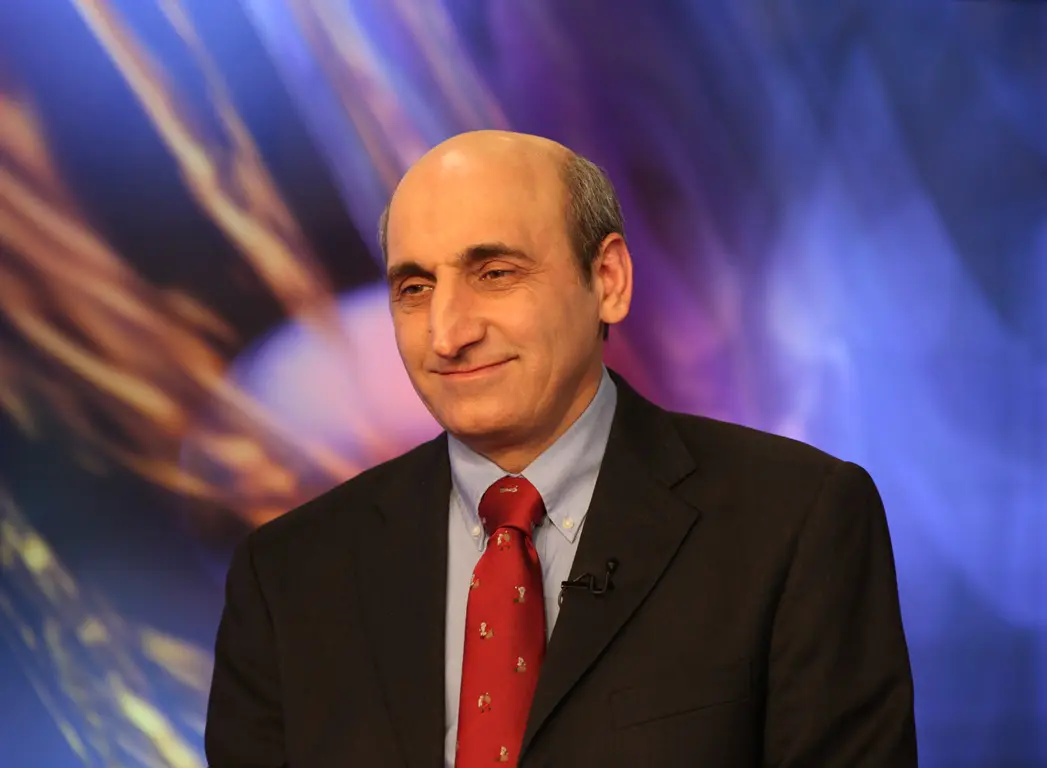
by Lucia Rotta
ROMA (ITALPRESS) – “What makes this moment different is that society has passed a psychological threshold. People no longer expect reforms or relief. They openly demand the end of the whole system.” So Shahin Gobadi, spokesman for the Iranian resistance movement abroad called “Organization of the Mojahedins of the Iranian People”, commented on the demonstrations that are flooding the streets of the cities of his country since 28 December. Gobadi, who lives in Paris to escape a regime that does not admit opposition movements in the national territory, observes in an interview with Italpress that is not an extemporaneous phenomenon. “This is not a spontaneous explosion. It is the result of years of political, economic and social pressure accumulated that have finally reached the breaking point. Inflation, corruption, unemployment and the plunder of the country by the elite in power have destroyed the lives of people. At the same time, the regime responded to every crisis with executions, repression and fear. What makes this moment different is that society has passed a psychological threshold. People no longer expect reforms or relief. They openly demand the end of the whole system. What began as an economic protest has become a political uprising aimed at overthrowing the system,” said the opposition movement spokesman. What sustains and expands this revolt, which has now extended to more than 190 cities, is precisely the work of the Resistance Units of the Organization of Mojahedin of the Iranian People or Mujahedin-e Khalq (MEK).
“These networks have been working for years in a methodical, silent and prudent manner under the surface of society, recruiting, organizing and coordinating resistance actions. They provide the organizational backbone that allows protests to re-emerge after repression, spread from one city to another and move from symbolic protest to real confrontation with the regime,” explains Gobadi. Despite Internet closure and censorship, information continues to circulate through underground networks within the country. “Video, figures of the victims, places of clashes and arrests. This is how we know the scope, geographical diffusion and intensity of the revolt. For example, on Saturday evening 10 January 2026, on the 14th day of the national uprising, the cities of all Iran witnessed widespread revolts and clashes between the people and the repressive forces of the regime. Saturday evening, in addition to Tehran, many cities – including Kermanshah, Gilan-e Gharb, Rasht, Isfahan, Qorveh, Mashhad, Shiraz, Kazerun, Tabriz, Urmia, Qom, Qazvin, Sanandaj, Izeh, Dareh-Derij, Hamedan, Ahvaz, Karaj, Gonbad-e Kavus.
“The regime itself confirms this reality with its behavior: blocks the internet, drones, floods the cities of security forces and publicly admits that civilians were killed, while thousands were arrested. These are not the actions of a government that feels safe,” observes the resistance spokesman. The next question is how this new revolt will end, with unexpected proportions perhaps for the regime itself. “The regime is trying to force a return to fear through brutal repression, with shootings, mass arrests, torture and executions. But something fundamental has changed: fear no longer works like a time. The protests are organized, resilient and are spreading. More and more social groups are joining each other, from young people to workers to bazaars traders. The regime is reacting in too many cities at the same time. When a system can rule only by killing its own people, it is already in a terminal crisis. The perspective of a change is more rosy than ever,” says the spokesman for the Iranian resistance movement.
On the hypothesis of an American intervention, Gobadi responds recalling the words of the leader of the movement to which he belongs, the elected president of the National Council of Iranian Resistance (CNRI), Maryam Rajavi: “Although the regime in power in Iran has been severely weakened and has suffered severe blows, its overthrow will not come from outside Iran, nor will it be operated by the will of foreign capital. The fate of Iran is in the hands of its citizens. A lasting change requires more than dissent; requires an organized and basic movement sufficiently resilient to challenge the machine of a formidable dictatorship. This resistance movement already exists in the field.”.
This does not mean, Gobadi pointed out, that the world must remain on the side. “The United States and the European Union must impose real costs on the machine of repression, support the freedom of internet and communications, pursue international responsibility for crimes against humanity and, above all, unequivocally express their support for the right of the Iranian people to overthrow this regime.” Recognising this right, publicly and politically, is according to the spokesman of the movement “of great importance” because “it weakens the claim of legitimacy of the regime and strengthens the morale of those who risk life in Iran”. One last call from Gobadi emphasizes that “the Iranian people do not need foreign soldiers, but they need the world to impose sanctions on its oppressors, close embassies and other regime centers in their country. And it is clear that the part of the struggle of the Iranian people for freedom and a democratic republic is emerging.”.
– photos Shahin Gobadi –
(ITALPRESS).
