
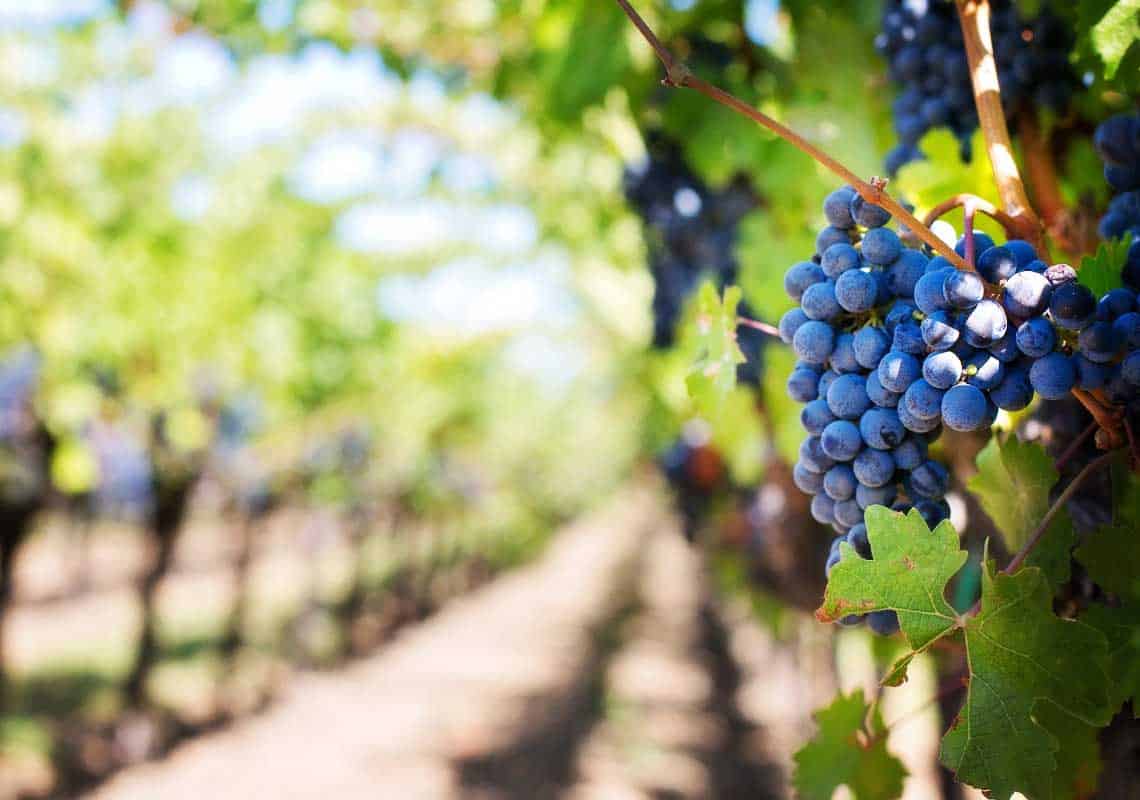
There is a subtle and fascinating mystery behind every glass of Italian wine. It is not just a matter of taste, scent or color: it is something rooted in the land, in the history and in the heart of the people who grow that wine, produce it, and live it. It is the magic of Italy’s native grape varieties, a heritage as vast as it is surprising, which tells the deep identity of a country made of hills, volcanoes, sea winds and mountain silences.
In Italy, each region guards its own grape variety. Some famous, some unknown to most. But all carry with them a story to tell.
Try to imagine Italy as a long tale, from north to south, where each page is written with a different bunch of grapes. In Piedmont, among the mists that shroud the Langhe, Nebbiolo is born, austere and noble, from which deep wines like Barolo and elegant Barbaresco are made. But here there is also Grignolino, Ruché, and Timorasso, a white wine resurrected from a long slumber and now sought after by connoisseurs all over the world.
Moving down through the Bel Paese, we stop in Tuscany, where it is Sangiovese that holds sway, with its changing character: sometimes elegant and flowery, as in Chianti; other times powerful and meditative, as in Brunello di Montalcino. But each Tuscan hillside has its own oenological dialect, and the nuances are uncountable.
And still further south, In Campania, time seems to stand still before ancient names rich in history, such as Fiano, Greco di Tufo, Aglianico. Wines that carry in the glass the echo of Greek colonies, volcanic craters and timeless legends. Then in Sicily, between the fire of Etna and the wind of Pantelleria, stand out unique grapes such as Carricante, Frappato, Zibibbo, and the ancient Orisi, only recently brought back to life by a project of Stefano Girelli. Every sip is a sensory jolt.
And then there is Friuli with Pignolo and Schioppettino, beautiful Sardinia with Cannonau and mysterious Bovale, wonderful Puglia with generous Negroamaro, green Umbria with severe Sagrantino, Molise with Tintilia, overwhelming Trentino with its Nosiola, and many more.
Talking about native grape varieties is not just a matter of numbers, although, Italy boasts more than 500 registered varieties but of voices. Because each grape has something to say about where it comes from: about the toil of farmers, the customs of families, the rhythm of the seasons. International blends may please everyone, but autochthonous ones excite, because they do not seek universal consensus: they speak the language of the land, they taste of home.
In recent years, many wineries are rediscovering varieties that almost disappeared, saving them from oblivion. Some grow on only a handful of hectares, but just a few rows are enough to restore identity and memory. It is an act of love, before a commercial choice.
Drinking an indigenous Italian wine is not just a sensory experience: it is a journey. It is discovering that Pallagrello Bianco exists only in certain areas of Campania; that Cesanese is still grown around Rome; that Lacrima di Morro d’Alba, with its scent of rose and strawberry, is a gem from the Marche region.
It is to understand that Italy is not just one wine country, but hundreds of small worlds, each with its own lexicon, its own rituals, its own profile. In an increasingly homogenized market, this richness is the real luxury: authenticity.
Italy is the only place in the world where wine can still speak in dialect. A dialect made of rare grapes, of forgotten names, of ancient gestures. Preserving this biodiversity is not only an agricultural duty, but a cultural act. Because in every native Italian grape variety there is a piece of our history and our future.
Next time you choose a wine, look for that strange name on the label, that grape variety you’ve never heard of. You might discover a corner of Italy you don’t know yet. Trust me, it will be a journey worth taking.
The article Italy, land of a thousand grapes comes from TheNewyorker.
