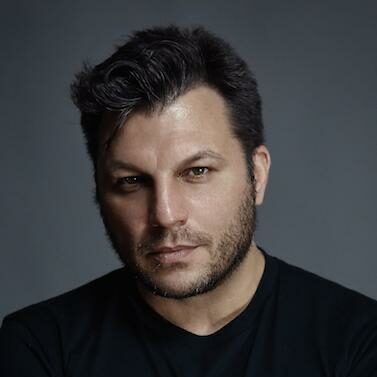
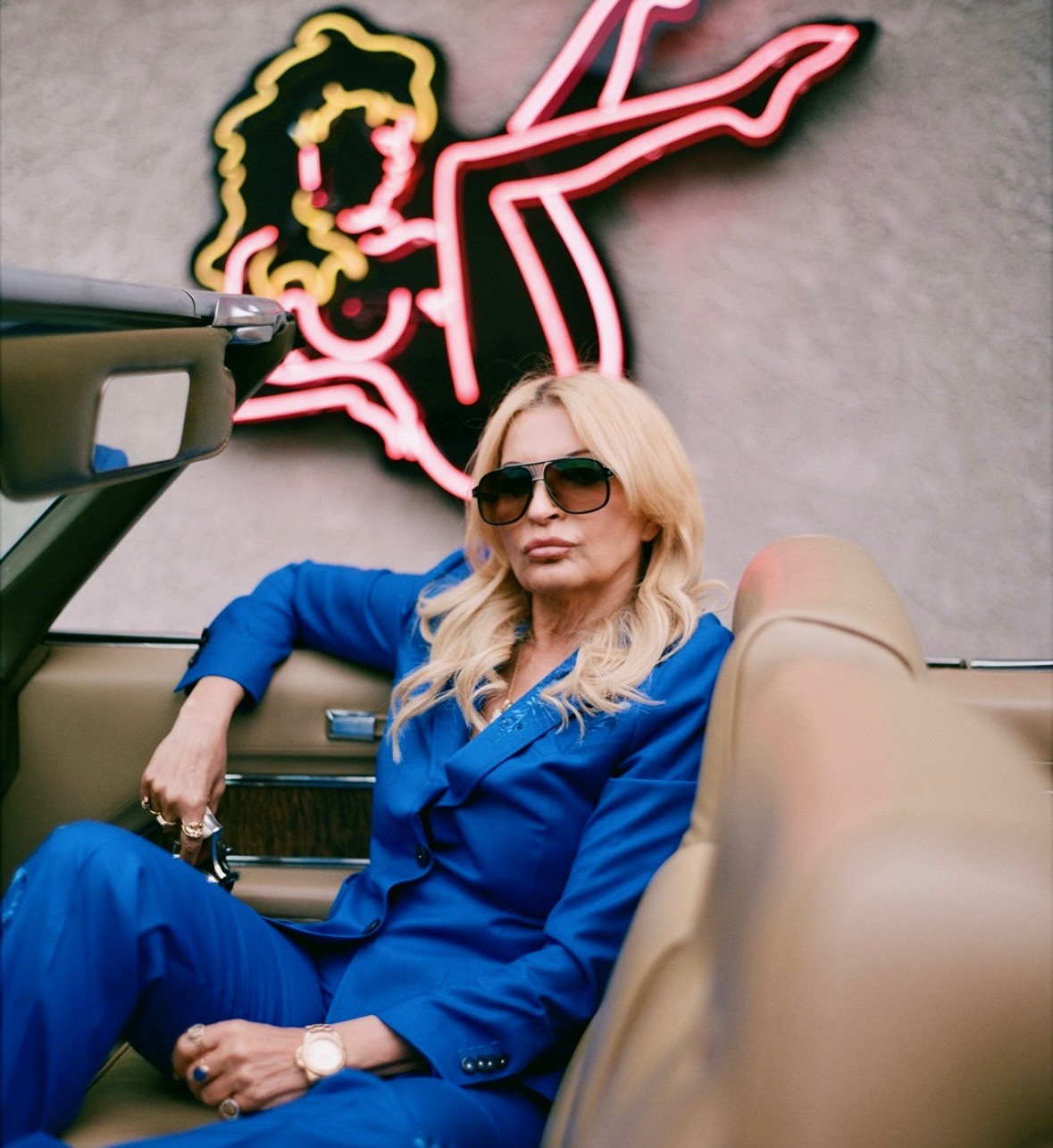
Kathrine Narducci is an Italian-American actress often regarded as one of the defining faces of mob cinema—a modern-day queen of the genre, bringing grit, elegance, and unmistakable New York attitude to the screen. She first gained attention with A Bronx Tale and became a standout presence on The Sopranos.
Over the years, she has built a body of work that moves seamlessly between crime epics and television, with roles in The Irishman, Godfather of Harlem, and Alto Knights. More recently, she has connected with a new generation through Euphoria, reaffirming her lasting presence across eras of storytelling.
You often play strong, unpredictable women. How much of that comes from observation and how much from you?
I’d say it’s fifty-fifty. I come from a family of very strong women, so I have that to draw from. But I’m also a survivor of my own life and childhood. Growing up in East Harlem, you learn very early how to survive—on the street, in the city, in everything. That shapes you. It makes you stronger. And then there’s this business—you have to survive that too. You hear “no” a thousand times before you get one “yes.” You need backbone. You need thick skin. That strength you see in the characters—it comes from both observation and lived experience.
Working with directors like Martin Scorsese, how does the environment on set influence your performance?
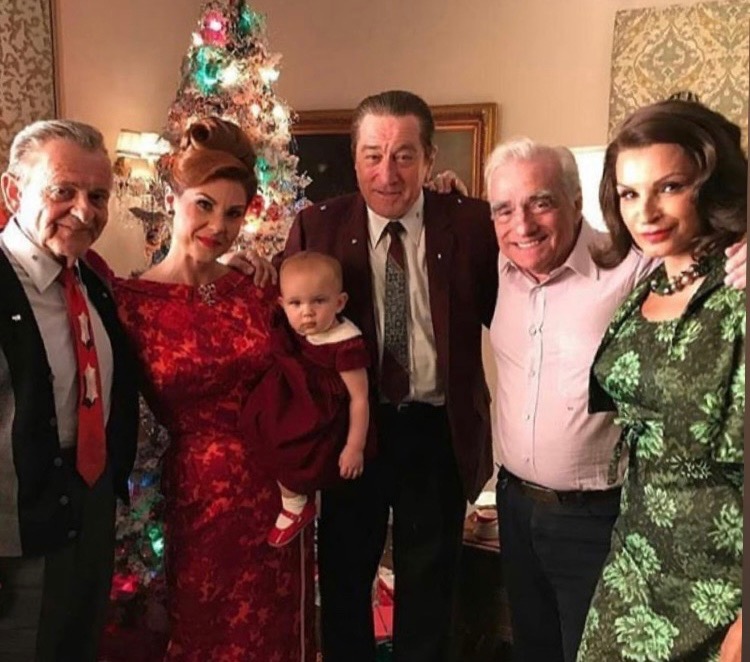
Marty understands the culture—he is the culture. He’s a phenomenon to me, someone we all look up to. Everything on his set is precise, authentic, at a ten. Whether it’s the time period, the location, or something as simple as a dinner table, it’s all real. If we’re sitting there eating Italian food, having a conversation, it feels like life because he knows exactly how that world should look and move. That level of detail gives you everything as an actor—you just step into it and live in it.
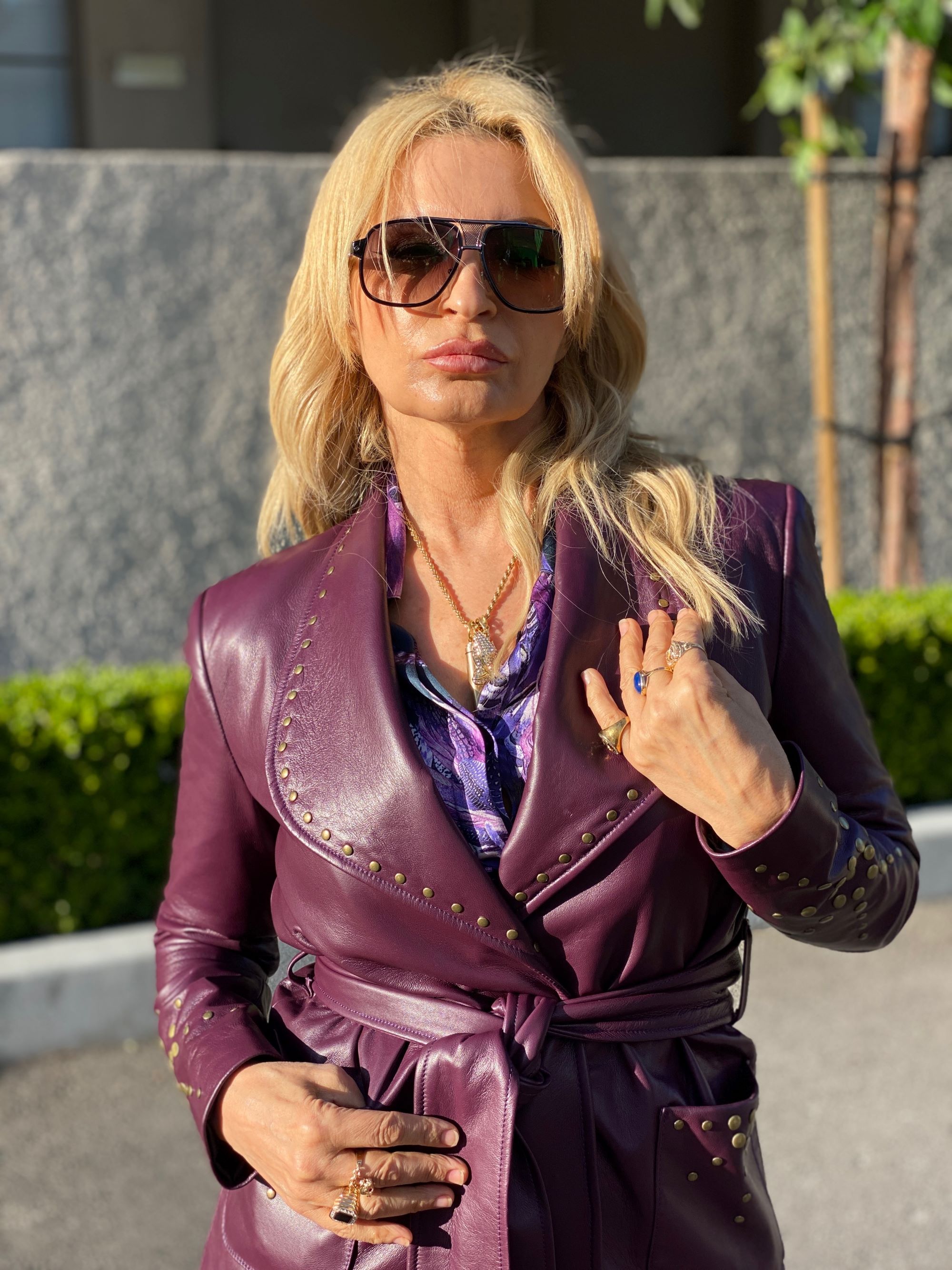
In male-dominated stories, do you see your characters as outsiders—or as those who understand power best?
I don’t play the wilting daisy—I’m more like the rose with the thorns. Those women understand power. Take The Sopranos—I was the voice of reason. I stood up to Tony. I put him in his place. I let Artie feel like he was the leader, but really I was running things. That’s the energy I bring to those roles. Even in other films, I go toe-to-toe with powerful men. These women aren’t on the outside—they know exactly how the game works.
Your performances feel raw, almost documentary-like. How do you reach that truth without overworking it?
First of all, thank you—that’s a big compliment. I had an acting teacher, Charlie Kazakakis, who used to shout, “Like in life, like in life—be true to life.” And working with Robert De Niro on A Bronx Tale, it was the same thing: “Be you. Be truthful.” That stayed with me. I don’t want to push or reach. The second I feel that happening, I stop. I breathe. I reset. It has to come from something real, otherwise it’s not worth it.
Looking back at A Bronx Tale, was it a defining moment or just a step in your journey?
It was defining because it confirmed what I already felt. I always had that question—am I an actor? And then being called back by De Niro, coming off an open call, it told me I was exactly where I was supposed to be. That moment put everything into place for me.
Have you ever had to push against being typecast, or did you learn to use it to your advantage?
Both. I push against it, for sure. I’m a member of the Actors Studio, and I work on things I would never be cast in—like Medea. No New York accent, nothing people expect from me. I do that because I’m not going to put myself in a box on top of being put in one. When actors get stereotyped, it’s like telling Andy Warhol to only paint Campbell’s soup cans forever. Sure, you’ll have a career—but is that fulfilling? No. So yeah, I can do the mob wife, but I don’t want that to be the only thing. I need to prove to myself I can do more—and the only way to do that is to actually do the work.
You worked on The Sopranos and now on Euphoria—both HBO shows that created a generation of icons. What’s different?
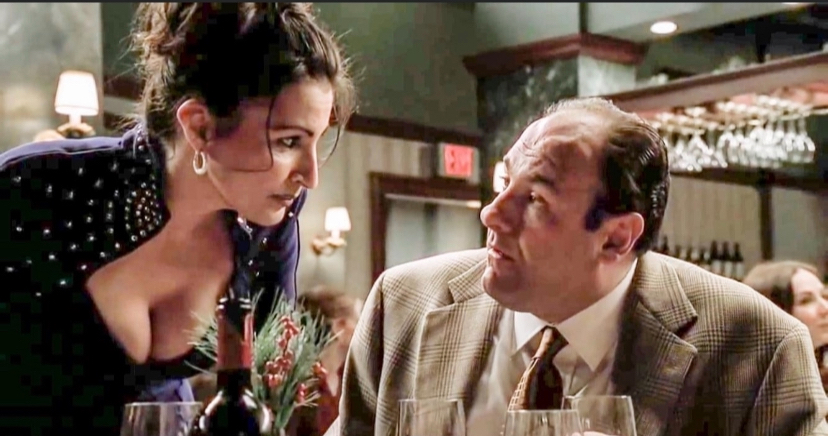
It’s different—but it’s also the same in a strange way. Both shows caught lightning in a bottle. The talent is undeniable. With The Sopranos, even though it was about the mafia, the core was universal—family, dysfunction, therapy, identity. People connected to that. Euphoria does the same thing, just in a different world. It’s about young people, addiction, sexuality—things everyone is dealing with now. Both shows have heart, empathy, and something real at the center. That’s why they work. People see themselves in it, even if the context is different.
In terms of momentum, does Euphoria feel different from The Sopranos?
The difference is—we put HBO on the map. That’s just the truth. The Sopranos changed everything. We raised the bar, we made people think differently about television. After that, everyone started pushing further. So shows like Euphoria—they’re building on something we helped create. We laid that foundation.
What kind of roles are you still searching for today?
I’d love to explore more empathy, more humor, more of my softer side—without losing the edge. I like that balance, the yin and the yang. That’s why I loved my role on Euphoria—she was tough, but she also had heart. She took care of those kids, she had layers. I’m drawn to that—characters who are both hard and soft at the same time. Less predictable, less one-note. Unless it’s something really special… maybe opposite De Niro again.