
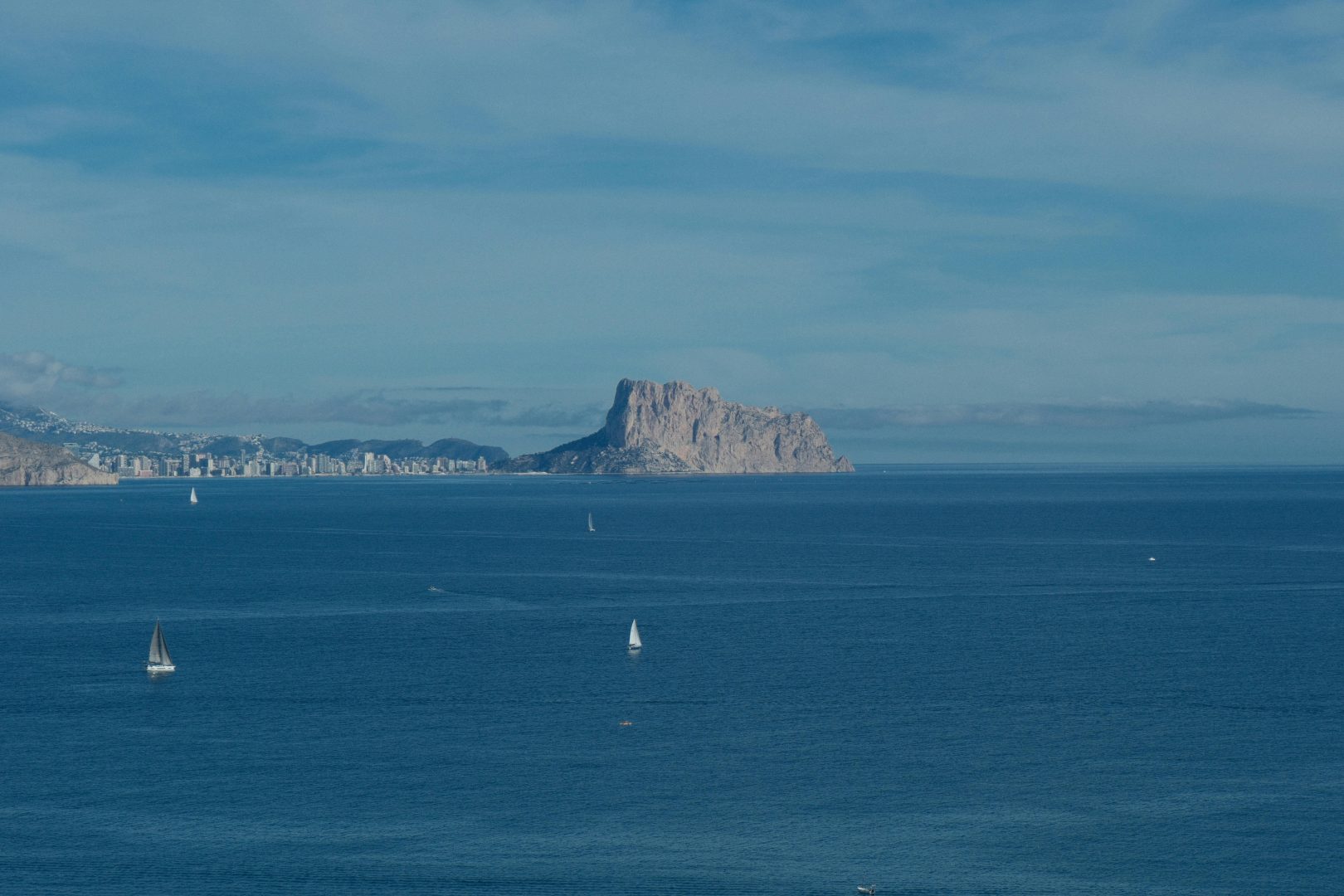
ROMA (ITALPRESS) – The Mediterranean is going through an unprecedented climate phase. Record temperatures in both the western and eastern Mediterranean and heat waves, combined with a significant increase in the average kinetic energy of currents, with 2024 recording the maximum value of the entire historical series (40 years).
This is what emerges from a study published in the magazine Frontiers in Marine Science, conducted by ENEA in collaboration with Cnr and MedSharks, which has analyzed in detail the spatial-temporal variability of the thermal anomaly of 2024 and the mechanisms that have determined it.
“If the progressive heating of the basin has been in progress since the early 1980s, since 2022 the increase of the surface temperatures of the sea has assumed exceptional characteristics, culminating in 2024, the hottest year ever recorded”, comments the coordinator of the studio Ernesto Napolitano, of the ENEA Laboratory Models and climatic services. The analysis was based on a broad set of multidisciplinary observations, including satellite observations that measure temperature and sea level, weather data that provide information on heat exchanges between the atmosphere and the sea, but also measures of coastal temperature collected through citizen science activities and data obtained from oceanographic models.
In 2024 anomalous heating was preceded by a prolonged phase of heat accumulation between spring 2022 and summer 2023, followed between autumn 2023 and spring 2024, by a reduced thermal dispersion towards the atmosphere, which maintained the sea temperature widely above the seasonal average.
In February 2024 the surface temperature of the sea exceeded the 15 °C in the western Mediterranean and 18 °C in the eastern Mediterranean, while at the end of August the waters of the eastern basin touched 29 °C, determining an extraordinary wave of marine heat.
The presence of a superficial mixed layer[1], that is, of the most superficial layer of the sea, unusually thin, has favoured the accumulation of heat in the most superficial layers, accentuating and prolonging the anomaly. The Algerian basins, north-west and Levantine have shown a significant increase in the average and turbulent kinetic energy of the currents, as well as recording the most accentuated thermal anomalies.
Mesoscale vortices, i.e. circular water currents, more energy than normal have favored the redistribution of heat in the surface layers, contributing to the maintenance of high temperatures. Altimatory data of the last thirty years (1993-2024) also confirm a constant growth in kinetic energy of the surface current system, with 2024 recording the maximum value of the entire historical series, well beyond the long-term trend.
“In 2024 atmospheric factors and internal dynamics of the sea have resulted in unprecedented warming and the first analyses indicate that even 2025 seems to continue in the trend of the last three years, although with slightly lower values than last year’s peak,” added Napolitano. “The recent thermal anomalies detected from 2022 to 2024, contextualized with respect to the variability of temperature and circulation in the last decades, highlight the profound change in the basin,” he concluded.
-Photo www.pexels.com-
(ITALPRESS).
