
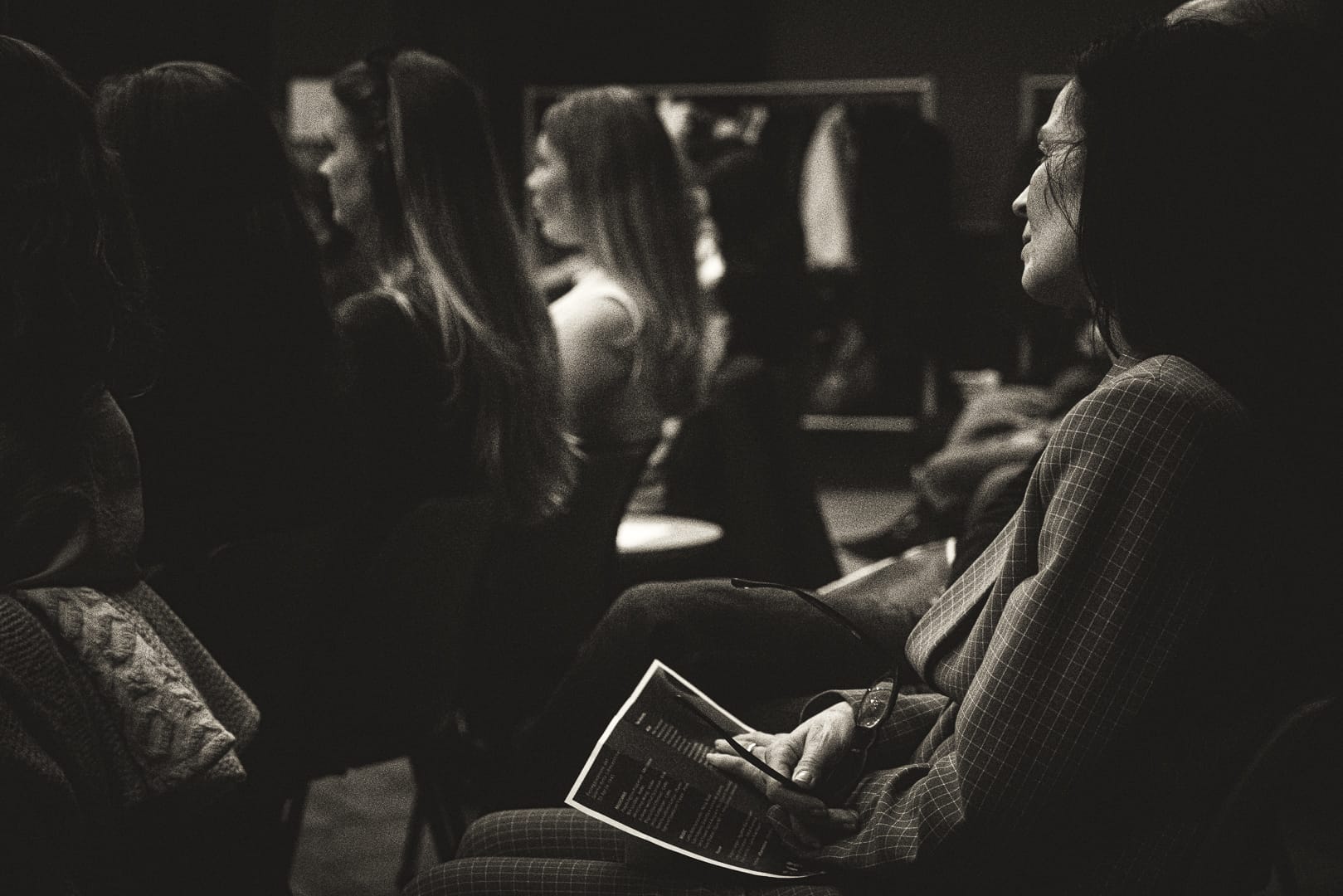
On April 9, at the Forstanderskapssalen in Oslo, the doors opened at 5:30 PM and the hall was already full. Sold out. A sign that says everything about the strength of a project born from the vision of young musicians capable of building bridges—literally, since the theme of the second edition is “BRIDGE”—between traditions, cultures, and generations.
The opening event of the new season of the Mediterraneo Chamber Music Festival—organized by the Associazione Cultura Mediterranea, in collaboration with the Accademia Musicale Mediterranea and the Associazione Musicoculturale Euterpe, with the patronage of the Municipality of Pulsano and the support of local partners—brought together in the heart of Norway some of the most significant figures from the cultural and diplomatic scene. In the front row were the Italian Ambassador Stefano Nicoletti, the Director of the Italian Cultural Institute in Oslo Raffaella Giampaola, and the Director of COMITES Elisabetta Cassina Wolff. Among the audience were also leading figures from the Scandinavian music scene, such as Henninghe Landaas, principal violist of the Oslo Philharmonic, and Elise Båtnes, Konzertmeister of the Oslo Philharmonic.
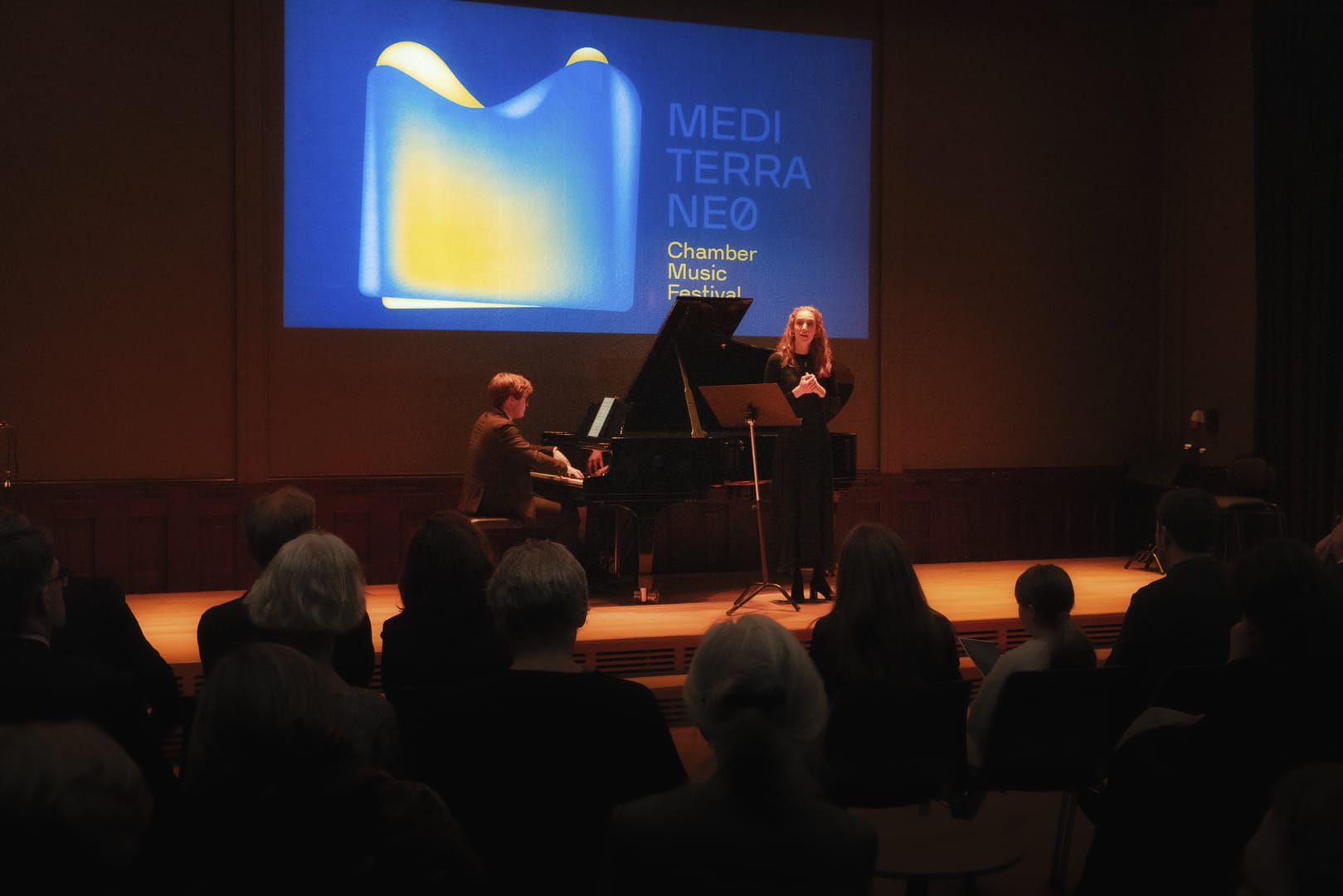
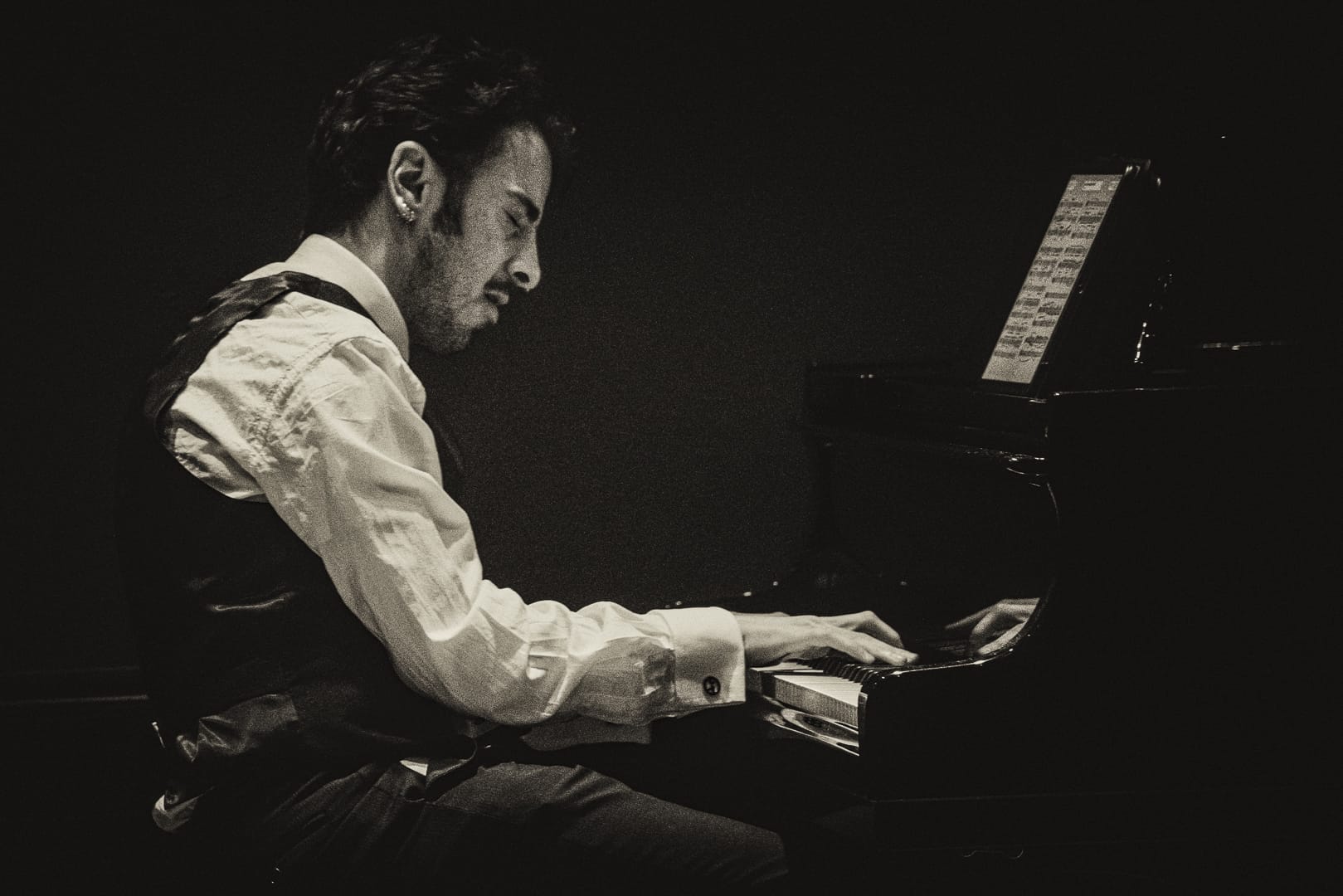
Starting at 6 PM, the stage hosted a sequence of chamber ensembles—from duos to quartets—with performers from Norway, Italy, and Sweden: Frøydis Fegran Kopperud, Birk Landaas, Alfred Linus Wang, Andreas Nøstrud Grimstad, Birgitta Elisa Oftestad, Simon Sundström, Romolo Ludovico Lanza, and Sigmund Skjeldrum Toppe. The program featured works by Stravinsky, Respighi, Rota, Brahms, and Auerbach: a journey across centuries and styles that highlighted the festival’s international scope and artistic maturity.
During the evening, Artistic Director Romolo Ludovico Lanza and Associate Director Sigmund Skjeldrum Toppe presented the program for the second edition, announcing a high-level lineup with artists such as Andrea Scaffardi, Ivan Rabaglia, Christopher Park, Annariina Jokela, and many others. The Mediterraneo Academy—the festival’s advanced training program—will also return, offering a curriculum designed for highly talented young musicians. The evening concluded with the premiere of the aftermovie directed by Milan-based filmmaker Alice Bulloni.
On May 24, the festival will stop in Taranto for its Italian presentation at MUDIT Casa Viola, in collaboration with Mangrovie A.P.S. An opportunity to discover the project up close and meet the people behind this initiative, which brings high-level music to Southern Italy with the same rigor that earned success in Oslo.
The festival itself will take place from June 21 to 30, mainly in Pulsano, with selected events also in Taranto and Martina Franca. Among the most anticipated dates is June 28: a full day dedicated to cultural exchange, hosted in the beautiful Masseria Cappella in Martina Franca. From morning, with the Mediterraneo Academy open class and a lutherie conference, to the evening, with a gala dinner and a concert by the festival octet—an experience that brings together education, craftsmanship, landscape, and musical excellence in a single, immersive day.
This festival is not only about music: it is a model of how culture can create real connections between people, places, and distant traditions. It is Puglia in dialogue with Oslo; it is a generation of young musicians showing that excellence knows no geographical boundaries.