
by Stefano Vaccara
NEW YORK (ITALPRESS) – The global economy shows a resilience higher than expected, but remains enveloped by increasing uncertainties related to geopolitical tensions, fragmented trade and increasingly reduced tax spaces. It is the framework outlined by the new United Nations flagship economic report presented today by UN Department of Economic and Social Affairs (DESA), during a briefing at the Glass Palace of senior officials, including Navid Hanif, Deputy Deputy Secretary-General added for Economic Development (in the name of General Undersecretary Li Junhua), Shantanu Mukherjee, Director of the Division of Economic and Political Analysis, and Ingo Pitterle, Senior Economic and Respons.
According to the report, global economic growth is expected to 2.7 percent in 2026, slightly down from 2.8 percent estimated at 2025 and well below the pre-pandemic average of 3.2 percent. In 2025, the world economy was better than expected despite the strong increase in US duties, thanks to a still solid consumer demand and a slowdown in inflation. However, the UN warns, there are structural weaknesses that risk dragging the global economy towards a slower and longer growth phase.
The report points out that a partial attenuation of trade tensions has helped to limit international trade interruptions in 2025. But the impact of higher duties and high macroeconomic uncertainty is intended to manifest with greater intensity in 2026. After an increase of 3.8 percent in 2025, global trade should slow down to 2.2 percent in next year. Inflation continues to fall, but it remains a central challenge. After reaching 4.0 percent in 2024, it is estimated at 3.4 percent in 2025 and should decrease further to 3.1 percent in 2026. Despite the slowdown in prices, the increase in the cost of living continues to compress real incomes, misproportionately hitting the most vulnerable bands and expanding social inequalities.
On the regional level, growth in the United States is expected to 2.0 percent in 2026, slightly higher than 2025, but with a labour market gradually weakening. In the European Union, growth should fall to 1.3 percent, penalised by the impact of US duties and the protracting of geopolitical uncertainty. In China, the economy is expected to grow by 4.6 percent, while India will continue to drive South Asia with an expansion of 6.6 percent.
In Africa, growth should be 4.0 percent, while remaining exposed to higher debt levels and increasingly frequent climate shocks. UN Secretary-General António Guterres warned that a combination of economic, geopolitical and technological tensions is generating new social vulnerabilities and slowing progress towards sustainable development goals. The report closes with an appeal to strengthen international cooperation: without renewed multilateral commitment and coordinated policies, warns the UN, the current slowdown is likely to turn into a prolonged phase of instability of the global economy.
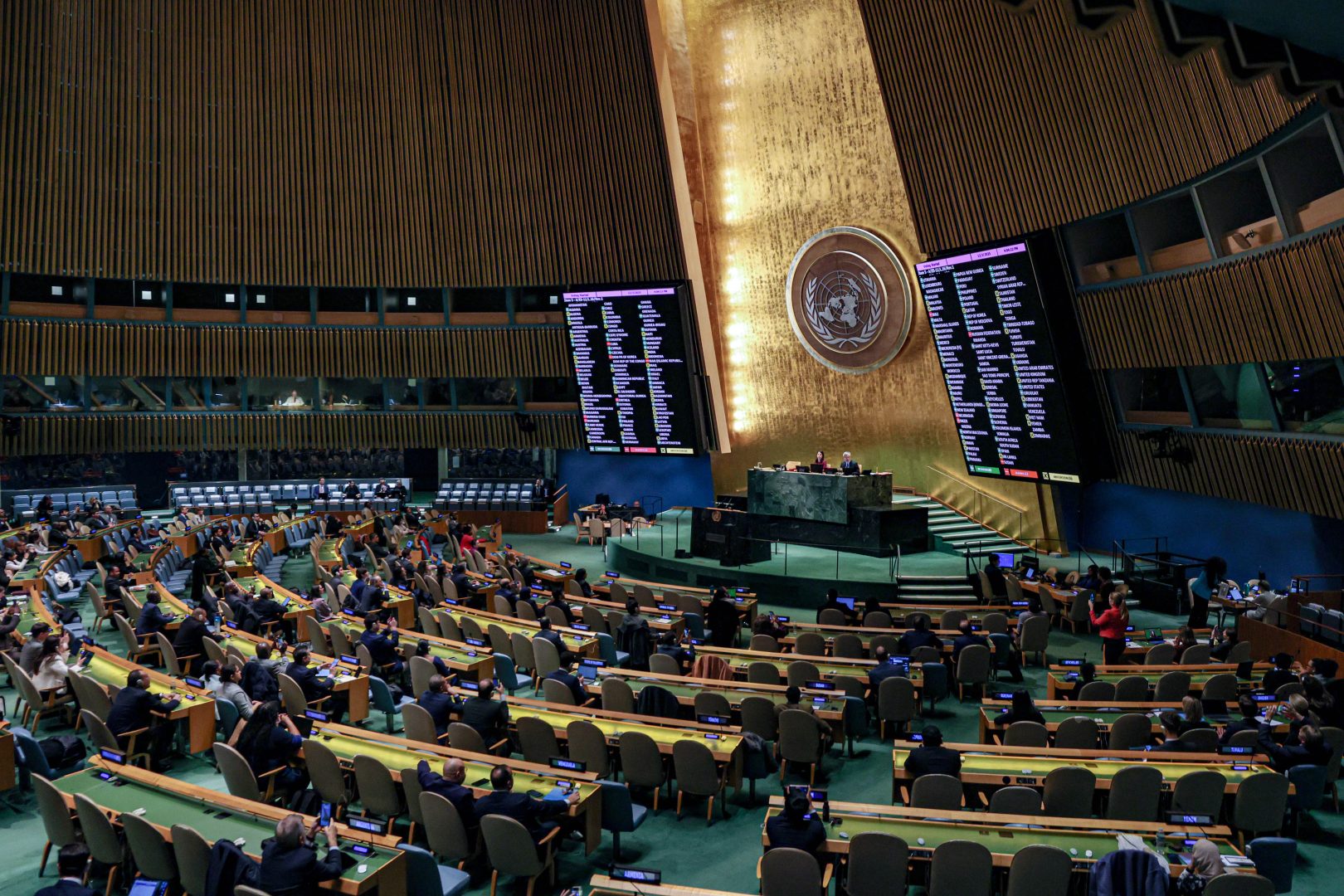
-Photo IPA Agency-
(ITALPRESS).
