
ROMA (ITALPRESS) – This was the objective of a study conducted by the National Institute of Geophysics and Vulcanology (INGV), the Institute of Marine Sciences of the National Research Council (CNR-ISMAR) and the Sapienza University of Rome in the framework of the Space It Up program funded by the Italian Space Agency (ASI) and the Ministry of the University and the University of Rome.
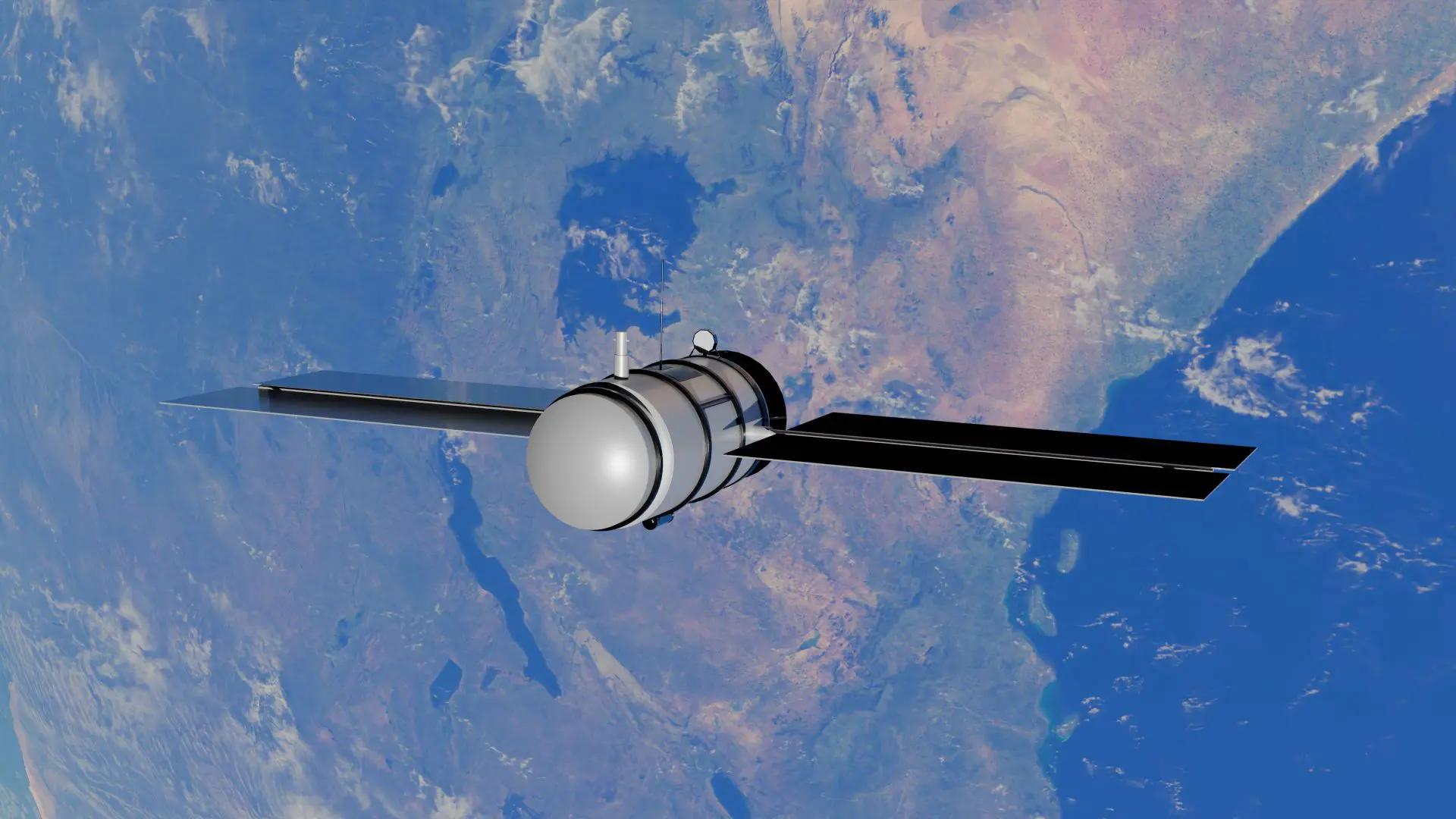
Thanks to two experiments conducted in Lake Massaciuccoli in Tuscany and in the Gulf of La Spezia, the researchers have shown that the satellite data acquired by Radar sensors at Synthetic Opening (SAR) allow to identify floating plastic accumulations, providing one of the first experimental rediscounts on the potential of this technology in marine environment. The results were published in the scientific journal Remote Sensing of Environment. To conduct the experiments a small plastic island was created, designed to reproduce in the most realistic possible form and size typical of the accumulations of plastic waste present in marine and ocean environments. The SAR sensors on board the Cosmo-SkyMed satellites, program of the Italian Space Agency and the Ministry of Defense, and ICEYE have acquired images of the island using different configurations in terms of spatial resolution, observation geometry and polarization.
The analysis of the images has therefore evidenced how plastic accumulations are clearly distinguishable from the surrounding water surface. In the published study it is evidenced that the presence of plastic alters the surface roughness of water, resulting in an increase in the intensity of the signal measured by the sensor. This result opens new perspectives for monitoring plastic waste at sea from satellite radar data. So far, in fact, most studies on the subject have focused on the use of optical sensors operating in the electromagnetic spectrum of the visible and the thermal infrared, while the use of SAR sensors is still unexplored, while presenting an important advantage: this technology, in fact, can acquire images both day and night and even in the presence of cloudy water coverage, offering the possibility, in the future, to monitor the greater plastic waste.
– photos Pexels.com –
(ITALPRESS).
