
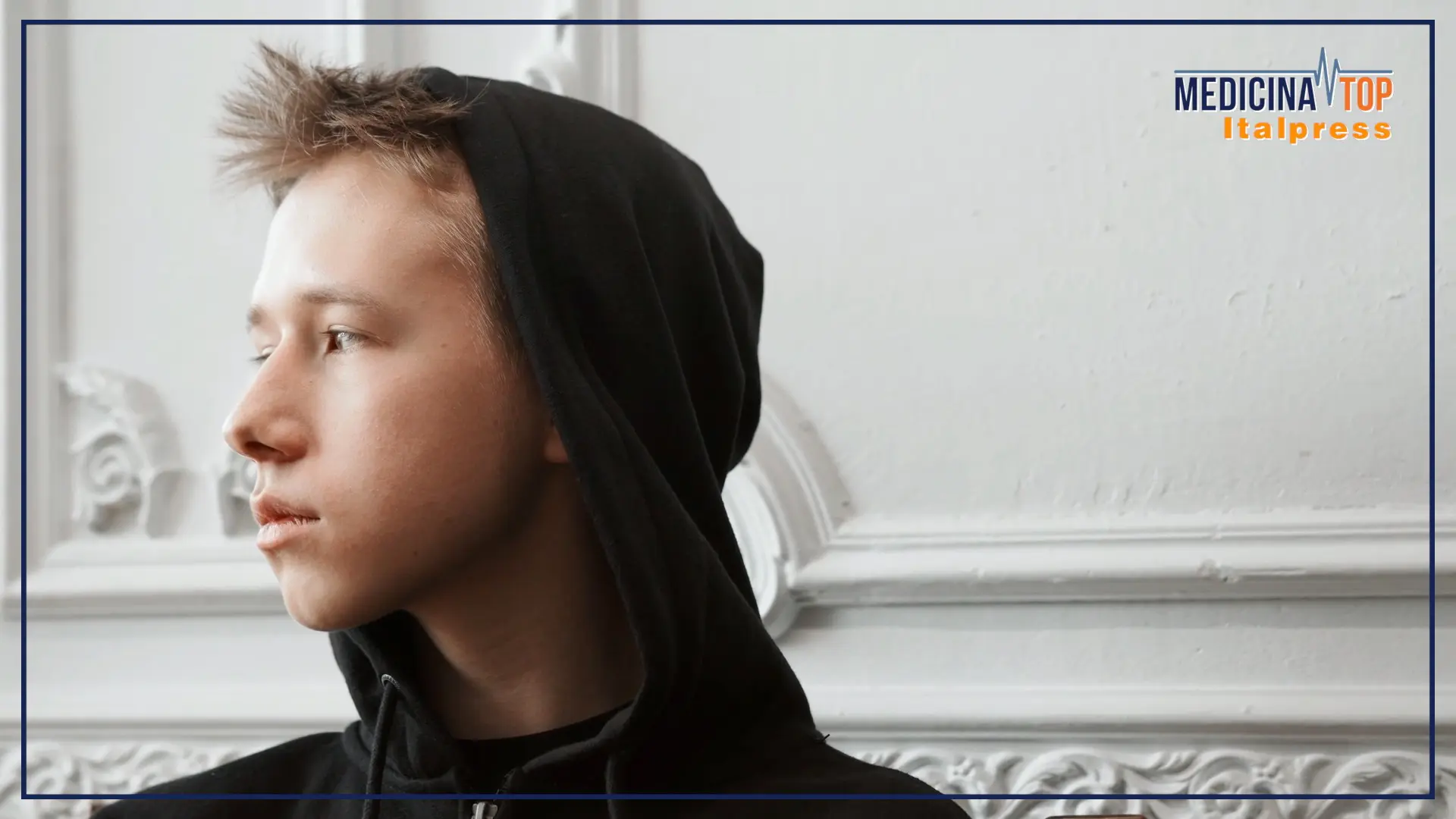
MILAN (ITALPRESS) – In recent years, in Italy, psychopharmaceutical consumption is constantly growing: the latest report by the National Observatory on the use of medicinal products (Osmed), published in November 2025. In particular, the increase is remarkable among young people, a fact that raises important questions about mental health, the diagnosis and appropriateness of prescriptions at the centre of the national health debate. The growth of psychopharmaceutical prescriptions among the youngest is a global trend: in this general escalation, Italian levels remain lower than those of other European countries, such as France, and much below those of the United States and other extra-European realities. “The increase in psychic discomfort is evident and recognized by all psychiatrists: it concerns all age groups, but it is more alarming for young and very young. A part of this increase is certainly linked to the real increase of psychological suffering that is being carried out in a clear and evident way for some years now, then there are other phenomena such as automedicalization: every day we compare with patients who self-administrate drugs, sometimes for very long periods, and this means diminishing the potential and resources that a pharmacological therapy can offer to the patient; protract the use of a psychiatrist drug for so long.
The alternatives to pharmacological therapy exist but, explains La Barbera, “it is necessary to evaluate case-by-case case when psychological contact, a treatment report based on the word and clinical interview, the repeated encounter and the human relationship can replace egregiamente the administration of a drug: each case will be evaluated also according to the type of pathology; there are psychiatric disorders in which the prescription of the drug is absolutely necessary and also obligated. The psychiatrist then dwells on the paradigm shift between past and present: “There is an abyssal difference between the mental discomfort of today and that of previous generations: what is happening in the new and new generations, which largely escapes our control and understanding, I think it has very few relationships with what happened in the past; they are very radical changes, which have to do with family, social and cultural changes. What strikes more than the youth and teenage bands is the precocity of the appearance of psychic discomfort: today we see boys who already at 11, 12 or even 10 years begin to suffer from anxiety or panic attacks or even begin to abuse alcohol or substances such as cannabis and cocaine, without forgetting self-harm, food behavior disorders and those of precocious personalities.”.
For La Barbera “there is a whole area of discomfort that should be looked at with great attention. Sometimes there is a risk that psychiatric diagnosis becomes a kind of identity for the patient himself: this can also be an obstacle to the overcoming of the pathology, the possibility of building a healthy identity and seeing itself in a more integrated way than society, working possibilities, the friendly circle and the family structure; psychiatric diagnosis can be stigmatizing and contribute to the construction of a negative identity for people”. Barbera then focuses on the indications that are more recurring today in terms of therapy: “The point of view of most psychiatrists, which then corresponds to our intervention protocols, for a certain amount of psychiatric disorders such as depression, panic attacks and personality disorders predicts and indicates how more effective a combined drug-psychological therapy: once we thought that the two forms of treatment were in opposition, today we know that they have a synergistic effect as if combined increase the chances of overcoming the symptom and heal completely from that pathological form.”.
Among the most difficult disorders to treat, the psychiatrist concludes, there are “the serious personality disorders, those of the borderline-narcisistic area: it is not always easy to identify them early or treat them, sometimes they have difficulty in treating serious psychotic disorders. Another area certainly underestimated is depression: although there have been so many steps ahead in recent years to raise public awareness about the treatment of depressive disorders, today we know that a large percentage of these symptoms remain untreated for a long time for various reasons, from the shame of going from the psychiatrist to the undervaluation of symptoms to the poor understanding of the disease that one suffers; to resent it is the quality of life of the person. The personality disorder is not very easy to identify, but some signs are there: this begins to root already in late teens and concerns a certain inconsistency of behavior and a behavioral instability that tends to reproduce in so many different areas, but always in the same way and without possibility that this script is changed.”.
– photos taken from video Medicine Top –
(ITALPRESS).
