
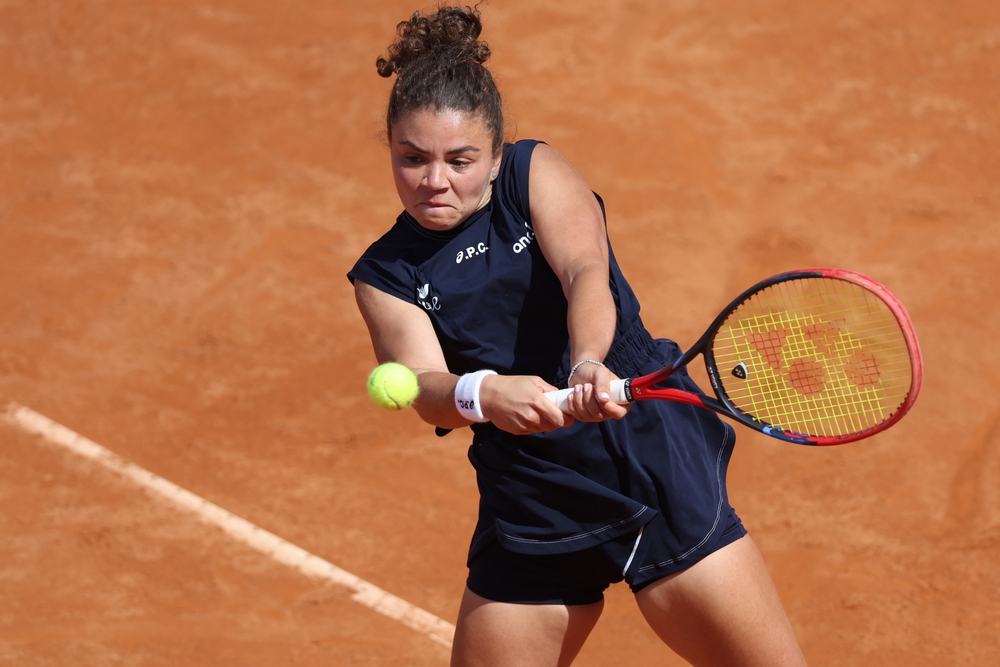
The controversy about revenue distribution in professional tennis is heating up again on the eve of the Italian Open, one of the main clay-court tournaments held in Rome before Roland Garros, the season’s second Grand Slam. The correlation between total tournament revenue and the percentage awarded to players is once again at the center of the debate. The most critical front is being led by Jasmine Paolini, the reigning champion in Rome, who has chosen to use direct language to clarify an issue that, for American supporters who are not as familiar with the global tennis structure, extends beyond mere prize money. Grand Slam tournaments generate revenue through television rights, sponsorships, and ticket sales, but many athletes believe the redistributed percentage is still too low. “It’s a popular topic among players”, Paolini added. “We’re advocating for greater fairness in safeguards, not just for award money, but also for pensions, maternity leave, and other aspects of work stability. These are areas where the ATP and WTA are making progress, whereas the Grand Slams are trailing behind”. The Italian tennis player stresses an important point: the increase in prize money, which is frequently cited as a positive sign by organizers, is not keeping up with the growth in overall earnings. “The Grand Slams are increasing prize money, but not in proportion to how much they actually earn”, she stated. “At the same time, they aren’t addressing core issues like pensions or maternity leave. That’s why we’re working to improve things”. This also raises the possibility of a boycott, which was previously speculative but is now being debated more seriously. “If we’re all in agreement and truly united”, Paolini continued, “a boycott could become a viable option. At some time, it may be the only means to exercise our rights”. This role is supported by other tour players. Aryna Sabalenka, the world number one, highlighted that “the spectacle depends on the players” and that without them, “there would be no tournaments or this type of entertainment”, hence seeking a larger portion of the earnings. Iga Świątek called the boycott “an extreme measure”, but found the plan to increase players’ revenue share to 22% “reasonable”.
News Source: 9Colonne