
If you thought that rest was a privilege reserved for tired human beings and aged bottles in the cellar, the state of New York is ready to surprise you. Here also the young wine, arzillo and just arrived from abroad is obliged to stop for a moment, take a deep breath and take confidence with the environment. This moment of forced break is called “At Rest” and, as much as it sounds like a holistic practice for bottles stressed by the trip, it is actually a very serious legal requirement.
In the language of New York legislation on alcohol, “At Rest” means that the imported wine from outside state cannot pass directly from the importer to the store. It must instead be physically handed over to a licensed wholesaler in the State of New York and remain there for a period of time established, sometimes even only twenty-four hours. A short rest, of course, but enough to make sure that the bottle is no longer a simple traveller: now it has officially entered the local supply chain. At that time the wine becomes fully traceable, taxable and supervised by the State.
This small rest fits into the famous three-tier system, the three-tier system, which we have previously treated, which governs the sale of alcohol in the United States since the end of the Forhibition. According to this model, manufacturers and importers can only sell to authorized distributors or wholesalers, who in turn can sell exclusively to retailers, and only the latter have the right to sell to the final consumer. Jumping a passage is not contemplated: the wine must line, with education. The stated goal is to avoid concentrations of economic power, anticompetitive practices and shadow zones difficult to control, ensuring the state a clear and neat view of what circulates in the citizens’ glasses.
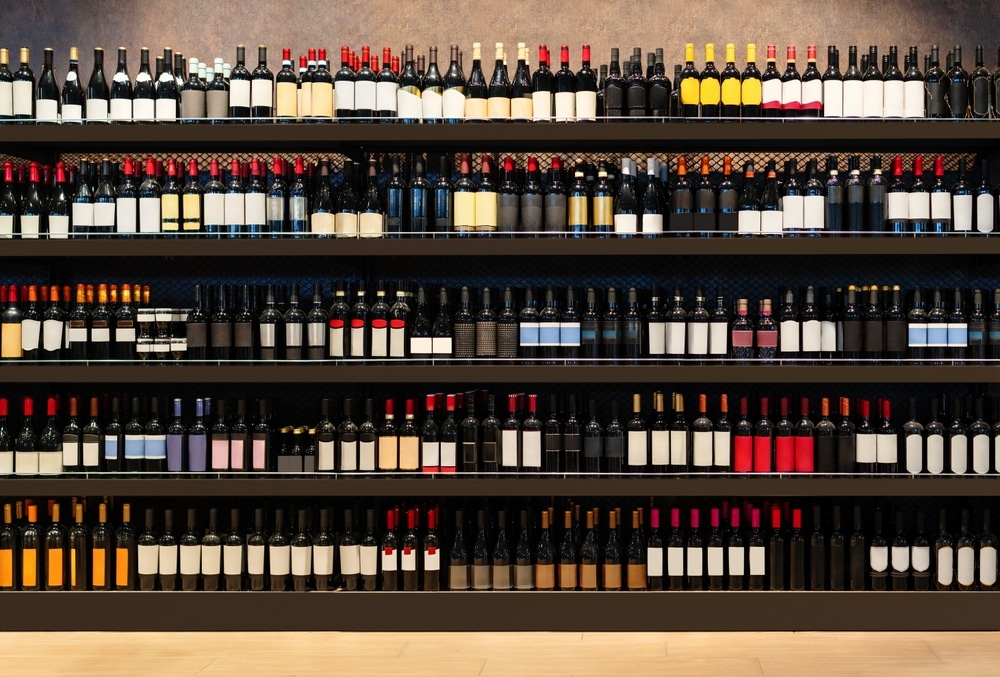
To make the painting even more particular is the fact that New York applies rules on the sale of wine much more restrictive than many other American states. Here wine and spirits can only be sold in the liquor store with a specific license for off-premise sale. Supermarkets, however huge and ubiquitous, must settle for beer and drinks with low alcohol content, leaving the wine out of the weekly shopping list. It is the fruit of a historical normative choice that deliberately separates the trade of wine and distillates from the generalist food.
The reason why in other American states it is perfectly normal to buy a bottle of wine along with breakfast cereals while in New York this is unthinkable lies in the constitutional history of the United States. After the end of Prohibition, the regulation of alcohol was left to the full autonomy of the individual states, creating a complex and often contradictory normative mosaic. In many areas, especially on the west coast and part of the Midwest, the legislator has chosen a more liberal approach, allowing supermarkets to sell wine and sometimes even super-alcoholic. In other states, such as New York, New Jersey or Massachusetts, the rules have remained more rigid, for a combination of historical, cultural and economic factors.
The concept of “At Rest”, the restrictions on the sale of wine and the indispensable role of importers and distributors are part of a regulatory system designed to ensure control, traceability and stability in the alcoholic market. At the same time, however, these same rules are often criticised because they restrict competition, reduce commercial freedom and create marked differences between one state and another, which are difficult to decipher for international consumers and operators. If you want to know more, do not miss the next article!
L’articolo The “At Rest” rule that obliges imported wine to take a break proviene da IlNewyorkese.
