
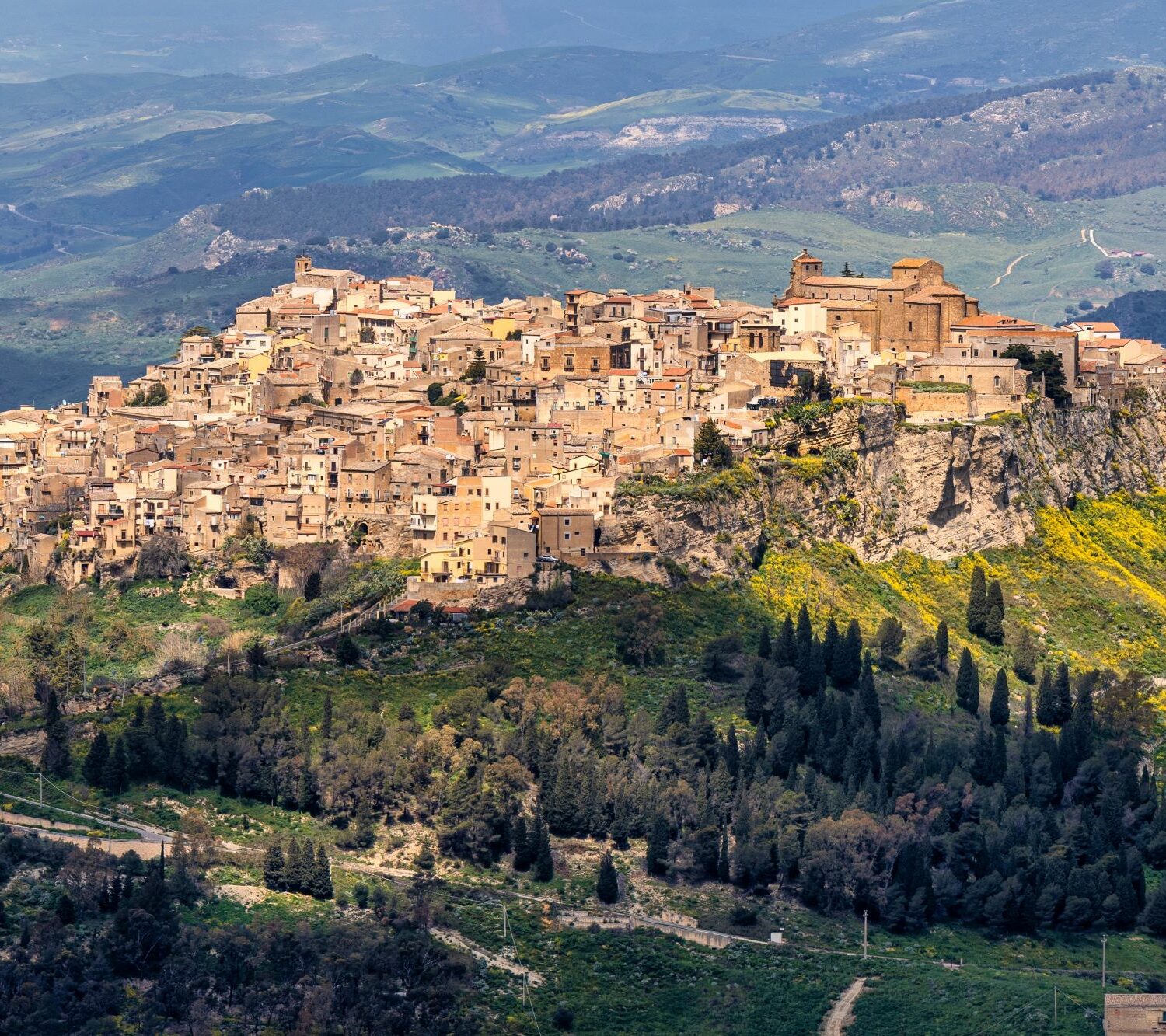
The Chamber of Deputies unanimously approved a bill introducing new tax relief on IMU (property tax) and TARI for Italians living abroad who own a property in small municipalities. Backed by all political parties, the measure revises a scheme that until now had been reserved exclusively for pensioners receiving benefits under international agreements, extending it to an estimated group of around 100,000 people. The new rules apply only to a single, non-rented dwelling located in the municipality of the owner’s last residence in Italy and with a population of fewer than 5,000 inhabitants.
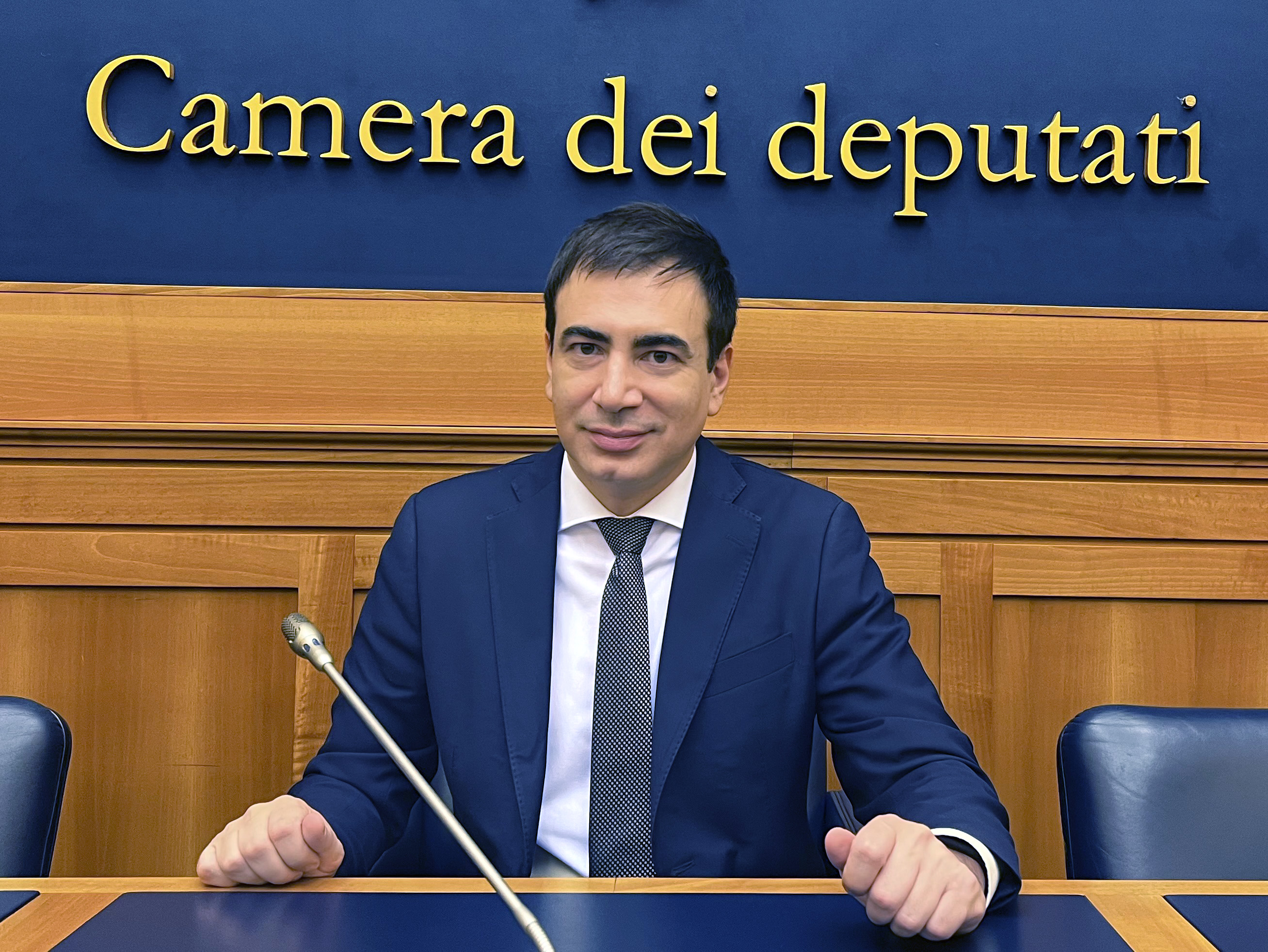
According to the bill’s sponsors, the aim is to encourage the preservation and redevelopment of the housing stock in villages affected by depopulation and building abandonment. In many inland areas—such as towns in the Apennines or in the interior of Sicily, where entire blocks remain unsold or are listed at symbolic prices—the real estate market does not absorb these properties, which are often inherited by families who emigrated. Partito Democratico’s MP Christian Di Sanzo, one of the bill’s signatories, said: “The Partito Democratico’s bill that we proposed in the Chamber together with MP Toni Ricciardi has been passed. The proposal originated with us Partito Democratico deputies, and during the parliamentary debate the measure received support from all political forces in Parliament, without exception. It is a measure designed to safeguard small villages, introducing a system of IMU relief brackets for homes owned by residents abroad in municipalities with fewer than 5,000 inhabitants—areas heavily affected by building abandonment and demographic decline.”
“In most cases,” Di Sanzo continued, “these are properties inherited from families, unattractive to the market, which has no interest in investing in them, yet they represent the memory of villages and emigrant families and are at serious risk of abandonment. Thanks to this measure, investments in these properties are encouraged: they will no longer be a burden for families, but can become a way to remain connected to the territory. The text introduces three levels of tax relief based on the cadastral value of the properties, with particular attention to smaller and more modest homes, which will receive a full exemption in municipalities under 5,000 inhabitants. In addition to the IMU relief, we also secured a 50% reduction in TARI (the waste collection tax), precisely because residents abroad do not live in Italy and therefore do not generate significant amounts of waste—an equity measure for many Italians who remain strongly tied to our country.”
The text approved by the Chamber establishes three relief brackets based on cadastral value. Properties with a cadastral value of up to €200 will be fully exempt from IMU; those between €201 and €300 will pay 40% of the tax due; those between €301 and €500 will pay 67%. The €500 threshold was chosen because it represents the most common range for modest homes in small municipalities, according to data from the Revenue Agency.
Alongside the IMU reductions, a 50% discount on TARI is also included. This change was introduced to prevent the tax benefit from being offset by a waste levy considered inconsistent with the actual waste produced by residents abroad, who spend only short periods in Italy during the year. In other similar regulations—such as those applied to unused second homes in tourist municipalities in Trentino—TARI is adjusted based on actual occupancy rather than solely on property size, a precedent that helped justify the measure.
The benefits will be granted only to those registered with AIRE who lived in Italy for at least five years before moving abroad. The rule excludes properties that are rented out or granted for free use, and it cannot be applied to more than one property per taxpayer. Limiting the scope is intended to prevent abusive use and to keep the cost of the measure within sustainable limits for municipal budgets.
The legislative process also has a technical motivation: the proposal responds to observations raised by the European Commission as part of an infringement procedure launched in July 2025. Brussels had challenged the lack of uniform criteria in the application of IMU to non-resident EU citizens, an issue that several countries—including Portugal and Spain—have already addressed by revising their legislation. The postponement of the final vote in the Chamber, initially scheduled for July, was requested precisely to align the text with the required standards.
The cost of the measure is estimated at around €12 million per year. This figure, relatively modest compared with total local tax revenues (which exceed €20 billion annually), will be offset through a compensation fund for the affected municipalities. The allocation, overseen by the Ministry of the Interior and the Ministry of Economy, must be defined by April 30 each year, following consultation with the State–Cities Conference.
The measures are expected to come into force in 2026, once the review by the Senate is completed. In many municipalities with fewer than 5,000 inhabitants—where population decline has exceeded 20% over the past twenty years—the relief is seen as an attempt to make the upkeep of properties that form a significant part of the urban fabric less burdensome.