
There has always been a paradox at the heart of Italy.
It is one of the most visited countries in the world — and yet, much of what makes it truly valuable remains largely inaccessible. Not hidden, exactly. But not structured to be experienced from the outside.
For decades, international audiences — including the Italian diaspora — have engaged with Italy through its most visible layers: cities, monuments, cuisine, lifestyle.
But behind that surface lies something deeper: A living system of production, craftsmanship, and local knowledge that is rarely translated into an accessible experience. Something is now starting to shift.
A different way of reading Italy is beginning to emerge — one that moves from “visiting places” to accessing systems. Not destinations, but territories. Not attractions, but production ecosystems.
Take, for example, emerging territorial systems such as Lake Garda & Franciacorta.
At first glance, it is easy to recognize their global appeal: lake landscapes, vineyards, well-known destinations.
But when observed more closely, a more interesting structure begins to appear: A connected territorial system where landscape, production, and everyday life are deeply intertwined.
A winery is not just a place for tasting — it is an entry point into a long-term relationship between land, climate, and human expertise.
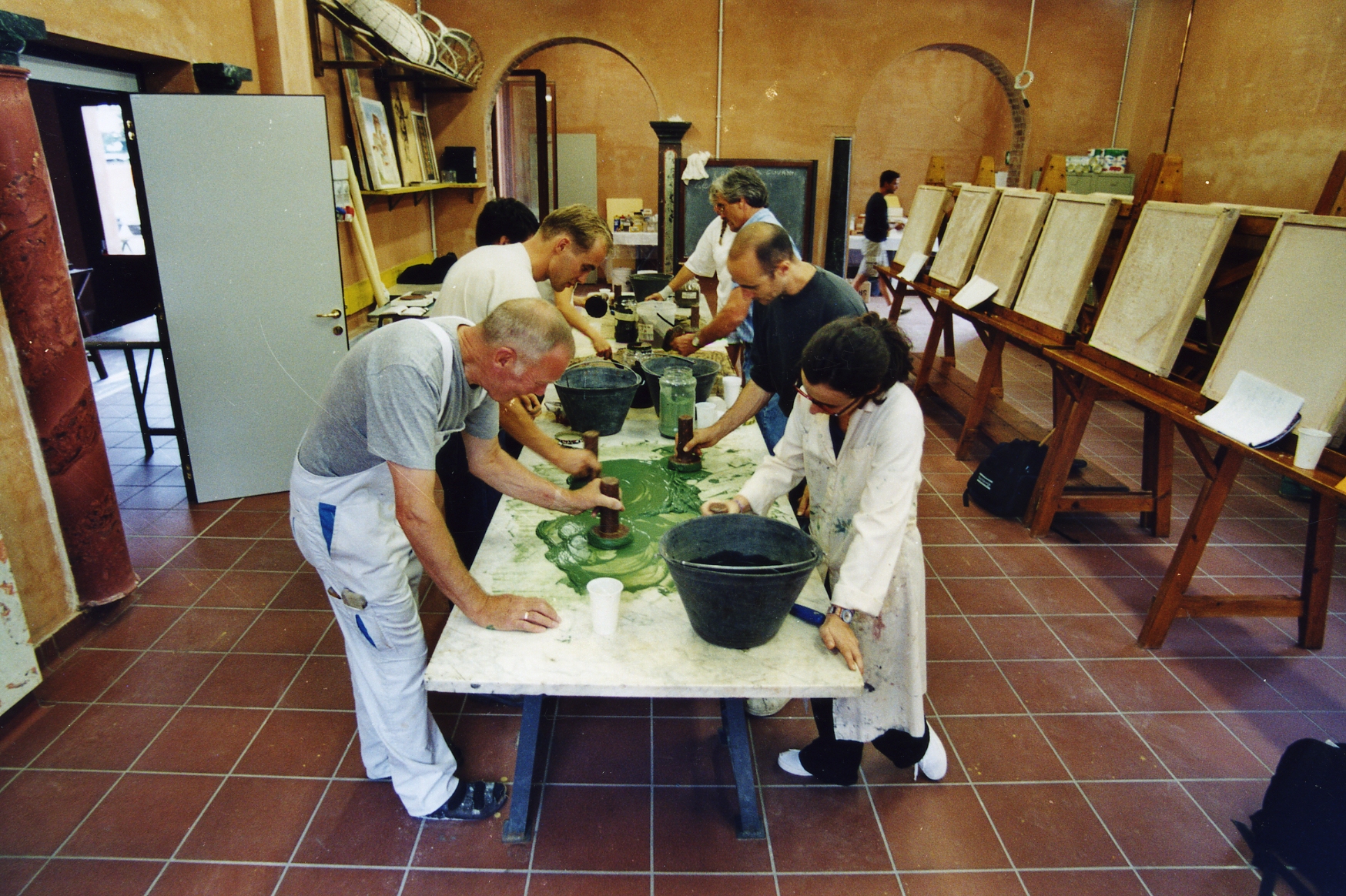
A craft workshop is not simply a visit — it is a way to understand how Italian identity is shaped through materials, techniques, and space.
Even something as familiar as pizza, when experienced inside a working environment, becomes part of a broader cultural and productive system.
What is changing is not the territory itself. It is the possibility of access. For the first time, these layers are starting to be organized, translated, and made legible for an international audience —
not as isolated experiences, but as coherent systems.
This shift has implications that go well beyond tourism. Because once you move from “seeing” to “understanding,” a different type of relationship becomes possible.
A relationship that is not only cultural, but also economic. For many Italian-Americans, this represents something new. A way to reconnect with Italy that goes beyond heritage or nostalgia,
and enters a more active dimension — one that involves knowledge, networks, and potentially even business.
Italy, in this sense, is not changing. But the way it can be accessed is. And that may open a new chapter in how the country relates to the world — and how the world relates back to Italy.