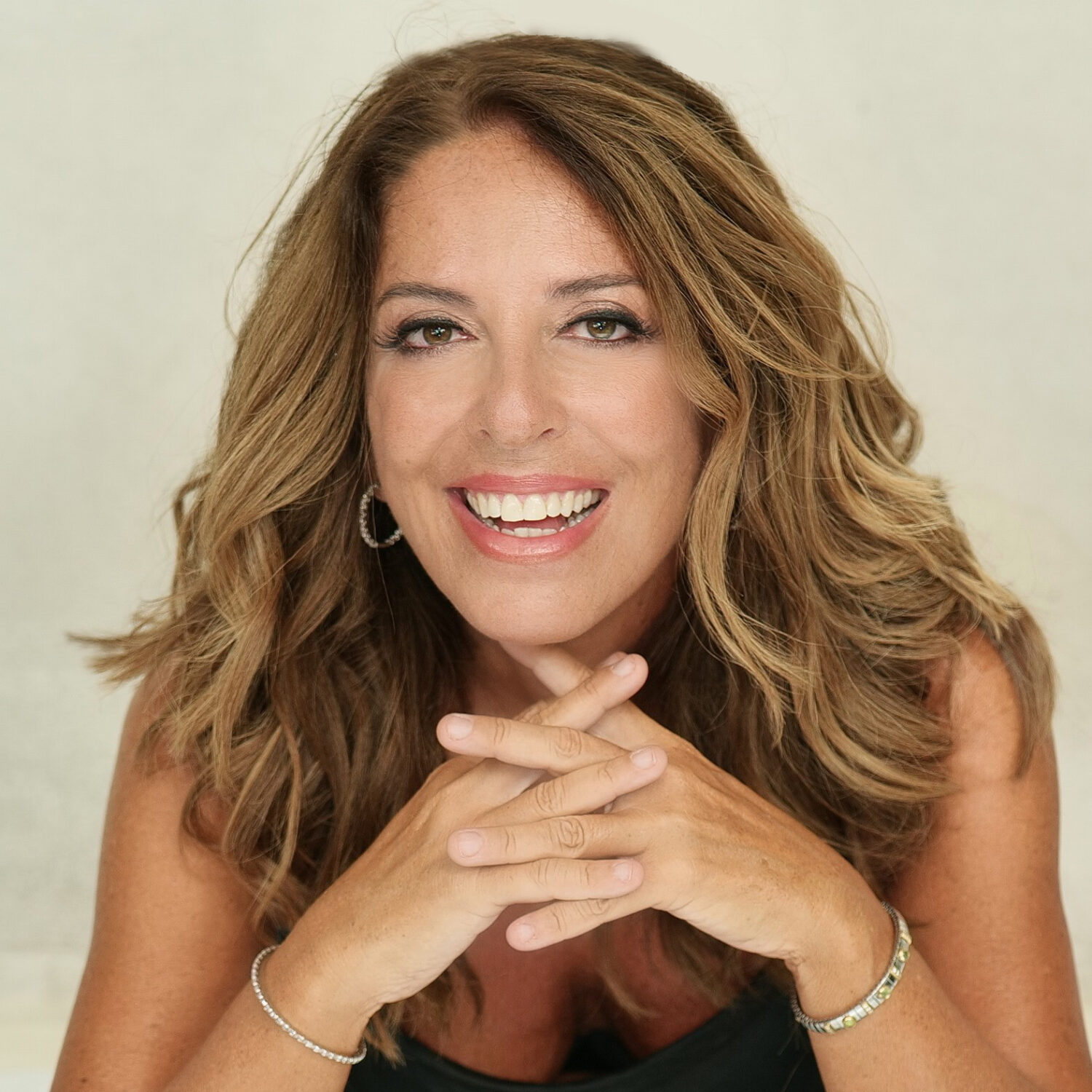
In this in-depth conversation with ilNewyorkese, Cristiana Pegoraro retraces the key stages of her career, which began at the age of four in Terni and unfolded through Salzburg, Berlin, New York—via Australia—while continuing to take her across the world. Music has no borders, and Cristiana Pegoraro understood this from a very young age. With great humility, she speaks about the role of study and discipline, the importance of connecting with audiences, the transformative power of music, and the responsibility artists have to inspire peace and beauty. She also shares her bond with Umbria and with Saint Valentine, and finally reveals the less visible side of an artist’s life: the daily, often unseen effort that makes the magic of the stage possible.
How did your passion for music begin, and how did your journey start?
My passion for music began immediately. I started playing the piano at the age of four because, in kindergarten, I was lucky enough to meet a music teacher who let us move our little hands on keyboards. It was love at first sight. Shortly afterward, I began taking lessons with a private teacher, and it didn’t take long for me to realize that this would be my life. I believe it was a passion I already carried within me, which blossomed the moment I touched a keyboard.
From the Conservatory of Terni to international stages: how did you build your artistic path?
I was born in Terni, and since I started very early, I studied there, graduating at sixteen with top honors, distinction, and special mention under the guidance of Maestro Elio Maestosi, who made me fall even more deeply in love with music. But Terni soon felt a bit limiting to me, because I’m someone who loves to challenge herself, to see and to discover. So after graduating, I went to study at the Mozarteum in Salzburg—one of the finest music schools in the world—with the renowned professor Hans Leygraf, where I spent five years. I was the youngest student in the class and the least experienced. Many of my classmates were up to ten years older and already winners of major international competitions. I learned an enormous amount.
At the same time, I continued my advanced training in Vienna with the great pianist Jörg Demus. I then studied at the Universität der Künste in Berlin, and from Berlin I made the leap across the Atlantic to New York. I’ll make you smile: I got there via Australia. I won a selection that brought twenty pianists from all over the world to the Sydney International Piano Competition. There I met a very talented pianist. I was looking for new experiences and a new teacher, and he suggested a Russian professor in New York, Nina Svetlanova, one of the last heirs of the great Russian school founded by Heinrich Neuhaus. So, via Australia, I packed my bags and arrived in New York. A life full of adventures and discoveries that ultimately brought me here, to the Big Apple.
A life on the road. Have you ever felt tempted to stop and remain in your comfort zone?
Never. Every achievement that might have seemed like a destination was always just a starting point toward another goal. I never stop; I’m always seeking experiences that allow me to grow. I’m not someone who settles easily, and I can’t stay in the same place for too long.
How important are talent and training in reaching the highest levels?
A musician is very much like an athlete. We share the same ideals, values, and type of training—only we speak a different language, the language of music. Talent is the starting point, because without it you can’t go far. But it’s only part of the journey, and I would say a relatively small part. What follows is an immense amount of work, knowledge to acquire, and hours upon hours of daily practice. Like an athlete, we train our muscles—though less visibly—and we train our minds, our self-control, and our sensitivity, because performances must be as convincing as possible. Training plays a huge role in this path.
What is your relationship with the pursuit of perfection that often accompanies excellence?
I’m a perfectionist by nature. Everything I do must align with my own standards, and I always aim for very high results. The piano certainly falls into this category. “Obsession” might be too strong a word—I prefer to call it passion. Passion for achieving what I strive for and for maintaining the level I’ve reached, which is sometimes even harder than getting there in the first place. I enjoy challenges, but I try to face them with both passion and humility. Humility is essential. Putting yourself on the line means acknowledging your limits and working to overcome them, with the desire to do well and to share the beauty and meaning behind music with as many people as possible.
What do you feel in the moments just before a concert begins?
Excitement. I feel at home on stage—that’s where true sharing begins. I’m happy to share my music. The piano becomes an extension of my body and my personality. And when we have beautiful instruments that allow us to work on nuance and detail, the excitement grows even more. It’s like laying yourself bare, letting emotions flow. I guide the instrument, and in a way, I also guide the audience. In my concerts, I tell stories; I don’t just sit down, play, and leave. Creating a dialogue with the audience is essential to me—speaking, storytelling, playing, sharing. That moment on stage is my greatest joy.
How important is it today to explain music and engage in dialogue with audiences?
Extremely important. A certain level of musical literacy has been lost over time—one that once allowed audiences to attend a concert and immediately grasp both the interpretive art of the performer and the meaning of the program. For various reasons, this knowledge has declined, and I believe it’s crucial to bring audiences closer to the music being performed. Language helps: explaining, telling stories, sharing anecdotes. Sometimes I even make people smile, because classical music isn’t sad, rigid, or outdated—it’s alive, and often full of humor. Engaging with the audience means taking them by the hand and leading them into the piece I’m about to perform. It helps them understand what I will later express through notes.
In November, at Carnegie Hall, you dedicated a highly successful concert to the theme of peace. What did that mean to you?
As an artist, I feel a responsibility to share meaningful messages from the stage. In that moment, I have people’s attention, and I can try to inspire them. That’s why my concerts often revolve around specific themes, and today peace is a central one. Being able to convey this through music and through the example of great composers is fundamental. The Carnegie Hall concert, presented by the Permanent Mission of Italy to the United Nations, was deeply emotional and very important to me. I frequently collaborate with the United Nations on initiatives like this.
Bringing a message of peace to a stage like that, in front of UN representatives and an international audience—New York is a true melting pot—and feeling united as brothers and sisters through music was incredible. I certainly won’t change the world with a single concert, but I can try to inspire my audience to reflect and to become better people. It’s a small journey that each of us can take toward peace, starting with inner peace, through the beauty of music. Music is a universal language that transcends all barriers and speaks directly to the human heart and soul.
The concert also focused on the theme of an inner journey. How did you structure it?
The program was conceived as a journey—the journey of life: departure, discovery, challenge, dialogue, joy, love, passion, and wisdom. I grouped the pieces according to these themes and connected them to the lives of great composers. Take Beethoven, for example: what an immense challenge his life was. To begin losing one’s hearing at the age of thirty is a tremendous tragedy, yet he overcame it in a brilliant and inspiring way. His life is an example. Perhaps, in our own small way, we can do the same.
Humility, depth, and exploration emerge strongly from your story. How central are they to your vision of art?
They are essential. I love to communicate, and I constantly strive to improve myself. The further I go, the more confident I feel in my role—not only as a pianist, but as someone who shares messages of beauty and depth through music. Life is a precious gift, and it would be a waste to live it superficially. If I can help someone feel calmer, happier, or more inspired, then I feel fulfilled.
After many years around the world, you returned to represent your homeland as an ambassador for Umbria. What does that mean to you?
You never forget your roots. When I return to Umbria, I recognize the scents, the flavors, the colors—it truly feels like coming home. I travel the world, but I never forget where I come from. Sharing this beautiful land with so many people fills me with pride. Carrying Umbria in my heart wherever I go makes me very happy.
You are also an ambassador for Saint Valentine worldwide. What does this role involve?
When people hear “Saint Valentine,” they immediately think of February 14, chocolates, roses, and romantic dinners. But Saint Valentine was a real historical figure, and his relics are preserved in the Basilica of Terni, my hometown. He was a saint who performed miracles, and there is historical evidence that many people are unaware of—even icons found in Russia depicting him. The Valentinian Cultural Center of Terni appointed me as an ambassador to the world. Through my art, I promote the true figure of the saint, bringing Valentine’s Day back to its origins.
Of course, there is also the theme of love, which I consider the most important thing in life. I carry this message into my concerts. I also composed a piece dedicated to Saint Valentine, Colors of Love, which became a video filmed inside the basilica. It’s my way of promoting my city, my region, and the figure of the saint.
How has the perception of Italians in the United States changed over time?
At the beginning of the twentieth century, Italians arriving in America were immigrants searching for a better life. They endured enormous sacrifices and humiliation. Today, Italians who come to the U.S. are highly educated and often hold prominent positions. The quality of what we export is extremely high, and “Made in Italy” is a powerful global brand. One thing remains true: when you say, “I’m Italian,” people respond with great admiration. Italy is seen as a beautiful country, rich in history, culture, traditions, extraordinary food, and a wonderful climate. We are privileged—being Italian is always an advantage in the world.
Is there something I didn’t ask you that you would like to share?
Perhaps the reality of an artist’s life—what it truly involves. Many people see us only in the final moment, on stage, happy to do what we love, and that’s certainly true. But behind the scenes there is a life made of immense sacrifice, along with the challenges of constant travel: endless trips, delayed flights, lost luggage, time zones that disrupt your body. All of this makes the life of an artist quite complex.
An artist loves what they do, but they are also a professional. Every day you have to earn your place. Our path of study is extremely demanding, and when we step onto the stage, there is an enormous amount of work behind every performance. I wish this effort were appreciated as much as the performance itself. Unfortunately, in Italy artists are not always valued as they should be. In other parts of the world there is greater recognition, while in Italy we sometimes seem like an overlooked and underestimated category. Yet art is fundamental to life and education at every age. Artists should be supported and valued, because through art we strive to make life more beautiful.