
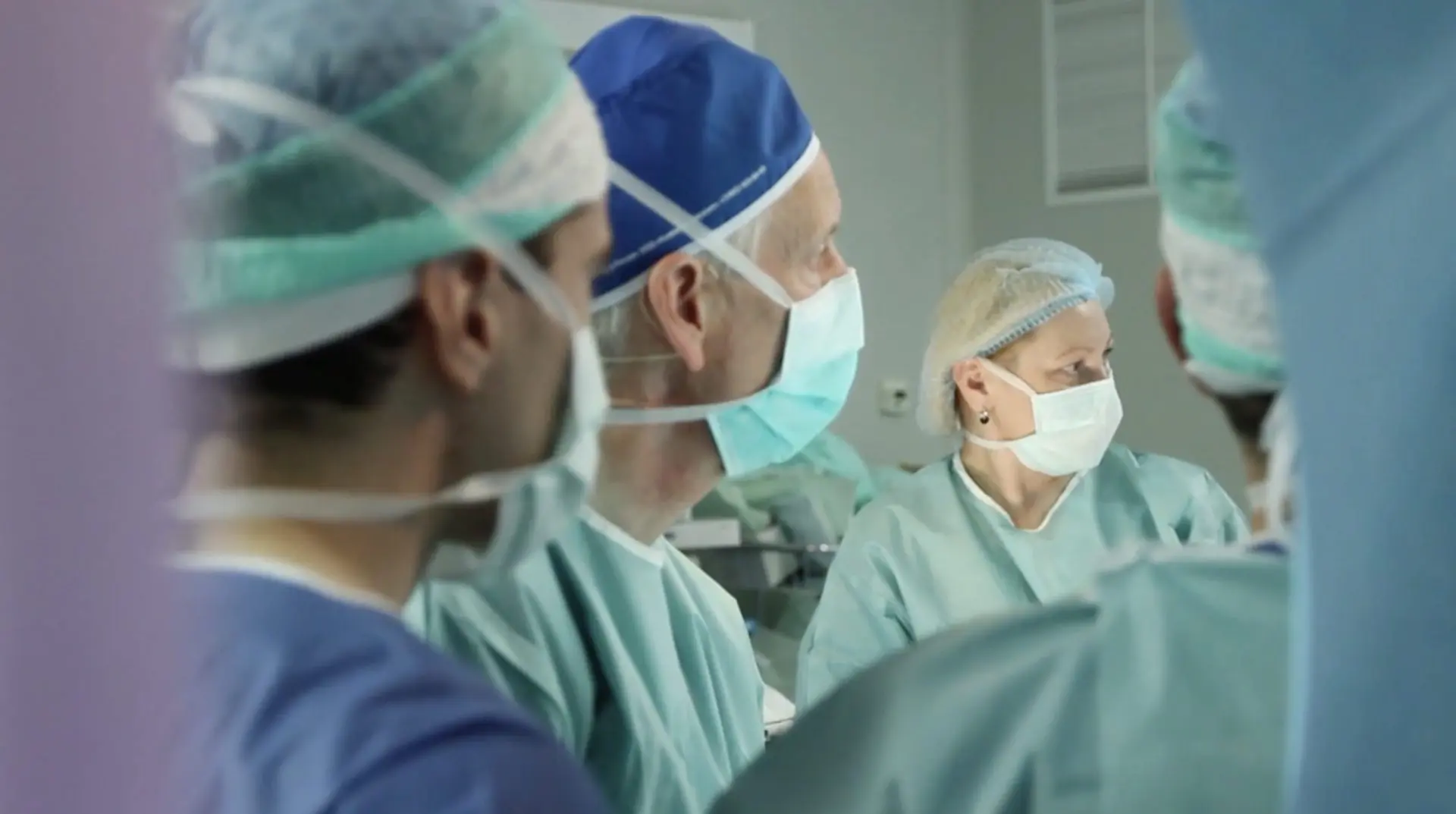
MILAN (ITALPRESS) – The tumors of the esophagus and the stomach are characterized by symptoms that often occur late: the evolution of the disease and the chances of cure depend a lot on the stage to diagnosis. It is estimated that in Italy every year there are 12 thousand new cases of stomach cancer and about 3 thousand cases of esophagus cancer: In recent decades surgical techniques have evolved very well, but the best approach remains multidisciplinary, combining according to the different needs of surgery, oncology and radiotherapy. Fundamental is early diagnosis, which represents the most decisive factor in improving prognosis and offering real chances of healing. “In the last thirty years in Italy there has been a great evolution in the way and quantity in which the tumors of the stomach and esophagus are manifested: as a number are fairly stable or in any case in a slight increase, after a period in which stomach tumors had appeared in decline,” said Carlo Castoro, head of the General Surgery Unit gastric esophagus at the Humanitas Clinical Institute in Rozzano, interviewed by Marco Klinger for Top Medicine, TV format of the Italpress press agency.
In addition, compared to thirty years ago, “it is interesting to note that the location of these tumors has changed: at first they concerned the upper part, that is the thoracic or cervical esophagus, and they had as main risk factors smoking and alcohol, then they turned into tumors that are born in the lower part of the esophagus and related to feeding, obesity or reflux. In the esophagus they manifest with a precise symptom that is disfagia, that is the difficulty of making progress the mouth that we swallow: This, especially in people of a certain age, is initially considered as a sign of nervousness, agitation or anxiety and sometimes takes some time to be diagnosed. The occurrence of these symptoms should not be underestimated: the main examination to detect these tumors is endoscopy.”.
Castoro then pauses on the interventions to counter tumors beginning with that at the esophagus, which “traces three regions of the body: the interventions that concern him are complex, because they touch all the bodily districts. The principles of such intervention are the removal of a sufficient length of healthy esophagus in addition to the sick part, for security reasons, and of all those lymph nodes present around the sick organ: the techniques we use are mainly mini invasive, to facilitate a rapid recovery, and most operations are performed in laparoscopy, thoracoscopy or robotic surgery. We went from only open interventions, in which to remove the disease they made large cuts at the height of the chest or abdomen, to other mini invasive but not for this minor: robotic technique, on the other hand, is very accurate in some bodily districts such as the upper part of the chest, where the esophagus is attached to the trachea, pericardio and lung”.
The last reflection concerns the change of pace recorded in recent times regarding the efficiency of interventions on the one hand, of technologies on the other: “Even in gastric surgery we have witnessed a similar evolution and almost always the intervention is preceded by an oncological therapy, which today is much more effective than the past: means that we get to operate patients who have already done a often customized pharmacological operation. As for the stomach, the frontier today is trying to preserve a part of the organ where possible, minimizing functional mutilation that after such intervention is inevitable: there are very selected patients in which new technologies, such as the navigation of the sentinel lymph node, can help us to be much more precise.”.
– photos taken from video Medicine Top –
(ITALPRESS).
