
Editorial by Claudio Brachino on ilNewyorkese
Read it in Italian by clicking here
How hard it is to resign in Italy! In every field. This time it’s sport, where turnover is often quicker than in politics or corporate boardrooms—and sometimes even more chaotic and senseless.
But not when it comes to the national team, where everything becomes more rhetorical, more bureaucratic, and tied up not necessarily in the mountain of money that drives the clubs, but certainly in matters of power and image.
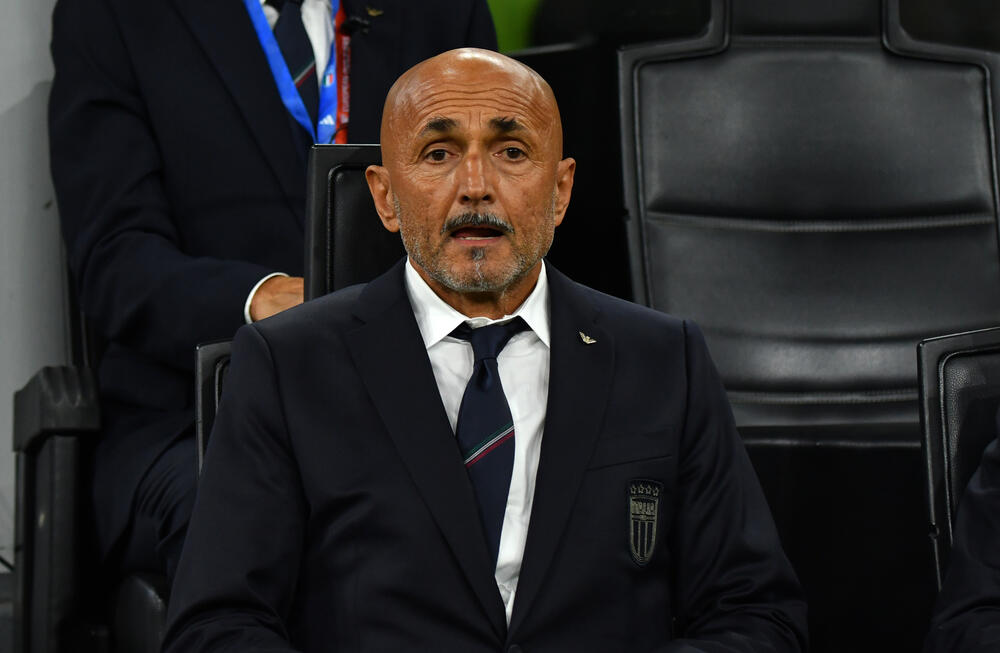
The news is already out: Italy coach Luciano Spalletti called a press conference yesterday to announce that FIGC president Gabriele Gravina—Italian football’s top boss—had dismissed him. Spalletti himself made it clear: he would have stayed; he was not going to resign on his own.
And yet we all saw the match against Norway. It wasn’t just a defeat—it was a lesson. A lesson in desire, national pride, physical preparation, technical quality. Perhaps the lowest point in the recent history of the Azzurri, rivaled only by a few infamous episodes: the loss to Switzerland at the Euros, or the humiliation against North Macedonia in Palermo. But that was under Mancini—and we missed the World Cup in Qatar.
Now the World Cup is again in doubt. We risk missing it for the third consecutive time—something that has never happened before. And something that would deal devastating, potentially fatal damage to our so-called football system. In such a situation, a coach should resign the very evening of the game. Apologize to the Italian people—because the national team belongs to the Italians—and return, still a wealthy man, to reflect in peace at his Tuscan estate.
Instead, we get an official statement to the press announcing the dismissal—just one day before a match (against Moldova) that would once have been treated as a training session but now feels like a do-or-die fixture, even because of goal difference.
Of course, sacrificing the coach—for now—saves the executive above him: Gravina. And when asked about betrayal, tough-as-nails Luciano nearly broke down in tears. But this isn’t Shakespearean tragedy. It’s the psychological drama of Italian football—a system that, if it still wants to be among the best in the world, must push through real, urgent reforms.
Otherwise, resignations—however out of fashion they may be in this country—will remain the only honorable option on the table.
L’articolo You Resign (Not), Then I’ll Resign Too proviene da Soccer Made In Italy.
