
How difficult it is to resign in Italy! In every field. This time it is the turn of sports, where rotations are often faster than in politics and the managerial world, indeed sometimes they are convulsive and rambling.
Not, however, when it comes to the national team, where everything is more rhetorical, cumbersome, bureaucratic, and has to do if not with the mountain of club money at least with power and image.
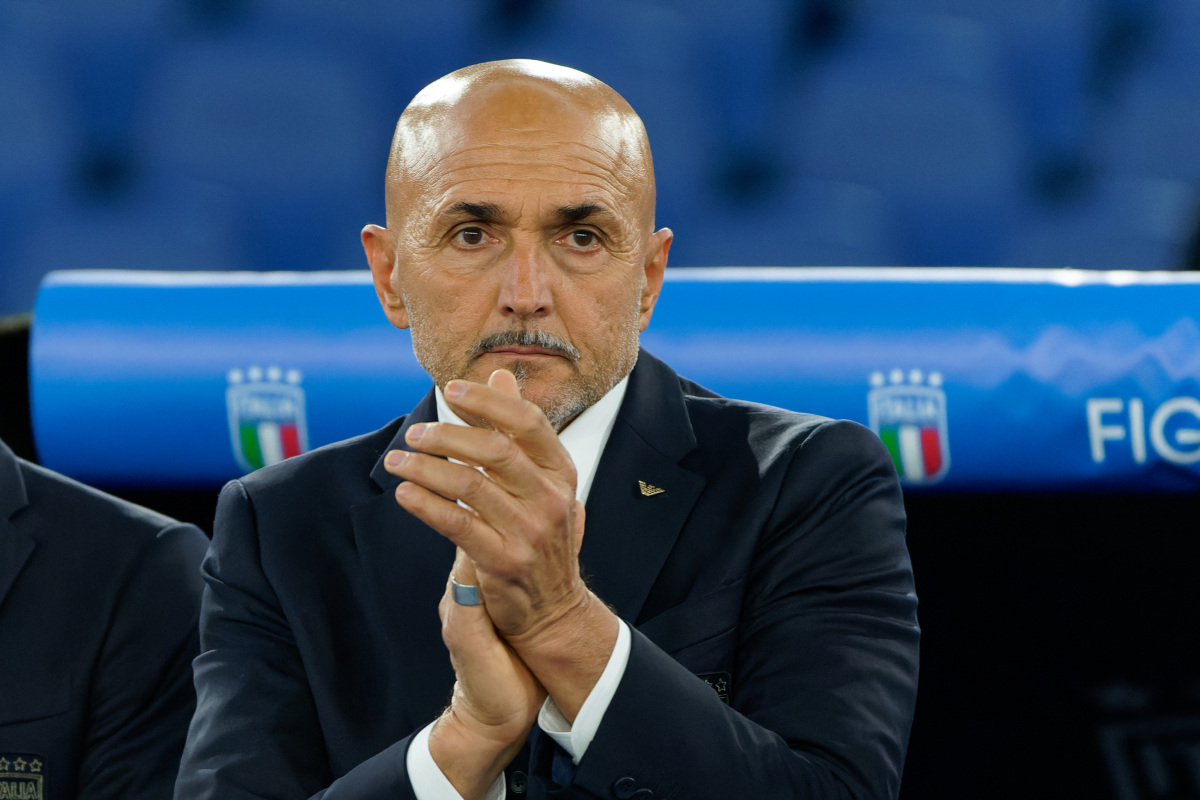
The news is now known, Italy coach Spalletti called reporters yesterday and said publicly that Figc President Gravina (the head of the soccer system in our country) had exonerated him. He, Spalletti, would still stay, therefore alone he would not resign.
Yet we all saw the game with Norway, a lesson not only in the result, but in desire, national identity, athletic preparation, and technical dimension. Perhaps the lowest point in the history of the Azzurri in recent decades, preceded only by some gems such as the defeat to Switzerland at the European Championships and the embarrassment with North Macedonia in Palermo, but that was Mancini and we did not go to the World Cup in Qatar.
The World Cup precisely, we are in danger of not going this time either, the third consecutive time, which is unheard of and something that would do very severe damage to our so-called movement, perhaps fatal damage. For such a matter one resigns the very evening of the game, apologizes to the Italians (because the national team belongs to the Italians) and returns, however rich, to one’s estate in Tuscany to reflect for a long time.
Instead, the press is told of the exoneration right away. A day before a game that in other times (Moldova) would have been a practice and today becomes already an in or out for so many reasons, not excluding the goal difference.
Certainly the coach’s sacrifice saves for the moment the executive above him, Gravina. And when asked about betrayal, the rough Luciano almost started crying. But this is not a Shakespeare tragedy, it is the psychodrama of a soccer, the Italian one, that if it still wants to be among the most important in the world, it must make urgent reforms.
If not, resignation, however unfashionable in national custom, is always there for the taking.
The article Resign you I (won’t) resign too comes from TheNewyorker.
