
I was very young when in Viterbo I saw my parents watching, in the only TV in the room, Portobello. There was a very popular conductor and, to tell the truth, I was not too sympathetic, but this very human feeling has nothing to do with the theme of justice that then so much time occupied in my journalistic career, between battles, errors and investigations.
In Italy the error of a journalist is always paid, especially if it does not belong to a certain cultural area, that of a magistrate does not. Justice speaks again and again so much in our country, for a reform that is likely to be always lame and for a referendum on the separation of careers on which the Italians are called to say a yes or no shortly.
Enzo Tortora instead, that popular conductor of a Rai broadcast that made millions of listeners, recounts the series that dedicated him a great director engaged as Bellocchio and of which the New Yorker told the presentation.
Tortora’s was perhaps, if not the most serious, the most arguing and exemplary (at the meeting) case of malagiustizia of our country and the crucial theme behind it, the civil responsibility of the magistrates, remains an open theme. Very open.
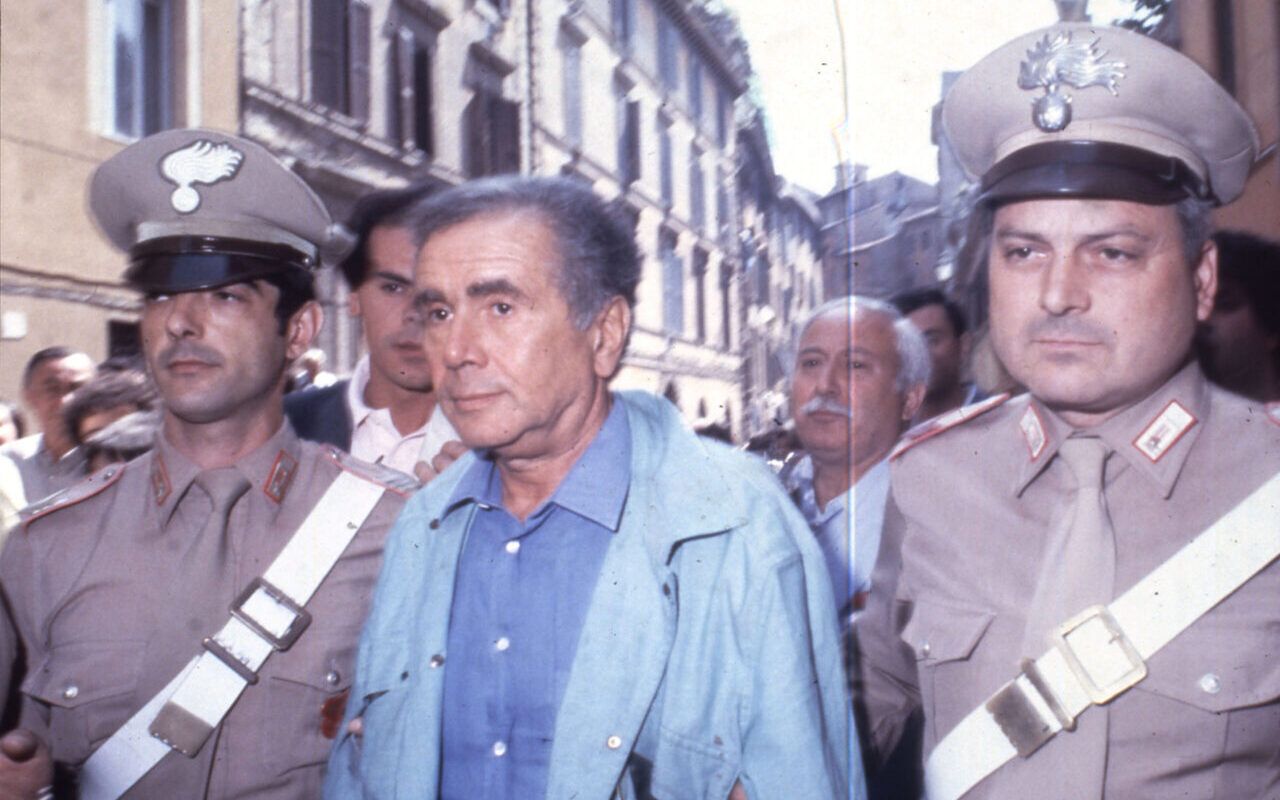
Enzo Tortora was arrested on 17 June 1983 at 4.30 in the morning, taken away in handcuffs with the charge of association of camoristic mold and drug dealing. All on the basis of accusations, revealed then false, of some repented.
The media gone (to which the man of TV did not oppose but used as a scandal), the prison, full absolution in 1986, the short return to his beloved program (Where were we?) and then death in 1988.
That said so it seems a cold sequence of chronicles, but inside there is suffering, the life that changes and ends, there is pain, anger, the body that yields to the tumor. There is, in one word, injustice.
I talked about it for a long time in an interview with her daughter Gaia, in force at Tg in Mentana in La7, what does that mean in a family. A trauma for everyone. It does not seem that the career of those who failed to judge him was damaged. And this is the point.
The Bellocchio series arrives, with its free aesthetic interpretation, at a very warm time of public debate. Ten years later (approximately) the arrest of Tortora, Italy has lived Tangentopoli, investigation on which we do not express any judgment except to say that since then political and judicial power have no longer found a balance.
And it is seen from the hardness of the referendum that does not concern the whole system of reform, but will condition it in one sense or another.
Who knows if the history of a man, lived on his flesh and his affections, will help a more ideological historical reflection, a reflection that can lead us to a better democracy.
L’articolo Tortora’s lesson comes from IlNewyorkese.
