
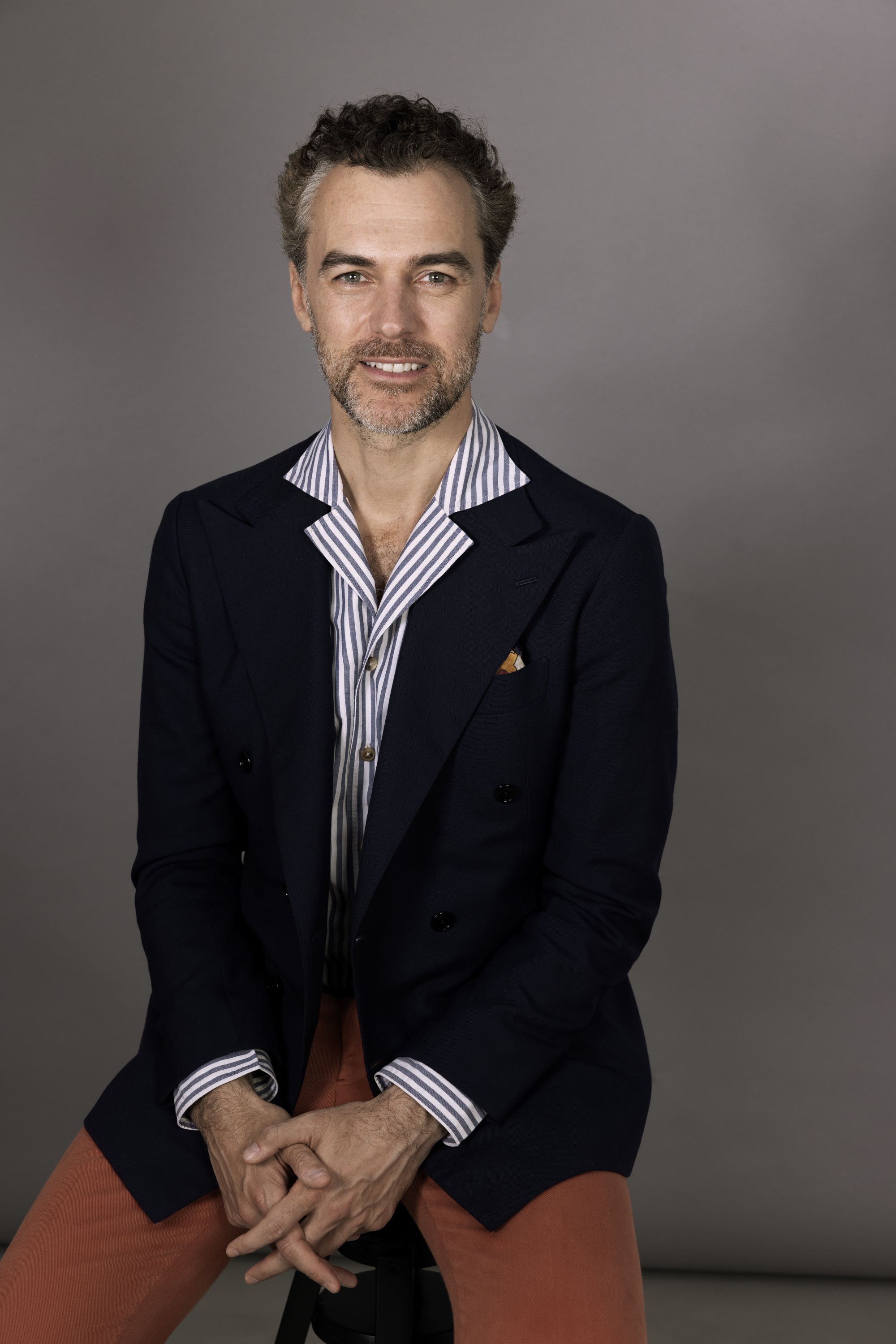
Gianluca Passi has built a career that moves across industries with unusual fluidity — from professional rugby in Italy to the upper tiers of fashion, and eventually into global finance and investment. Now based in New York, his work sits at the intersection of capital, culture and relationships, with a growing focus on connecting Italian talent across borders.
Gianluca, your trajectory spans multiple industries and geographies. Why do you think so many Italians succeed abroad, often without being fully connected back to their home country?
It’s less about visibility and more about fragmentation. There are Italians operating at the highest levels globally — in companies like Apple, in finance, in tech — but they’re not part of a shared system. Their stories don’t intersect.
That’s the real gap. Not a lack of success, but a lack of connection. There’s an extraordinary pool of talent, but it’s dispersed. Bringing that together would create something much more powerful.
You’ve been in New York for years. How does the city shape people professionally and personally?
New York operates at a very high frequency. If you align with it, it accelerates everything — your growth, your exposure, your opportunities. If you don’t, it can be overwhelming.
It’s not just about work. When you build a life here — especially with a family — the complexity increases. Costs, time, pressure. You have to find your balance. Some people do, others realize it’s not sustainable for them.
You have three children growing up here. How do you maintain a sense of identity in such an international environment?
It’s a deliberate choice. At home, we speak Italian. That’s non-negotiable.
At the same time, they’re exposed to other cultures every day — English, Chinese at school, French through our nanny. The goal is not to limit that, but to anchor it. Identity and openness can coexist, and when they do, they become an advantage.
Your career began at Armani. What did that experience give you?
Perspective. I entered without a background in fashion, coming from sports, and suddenly I was inside a system that was incredibly sophisticated.
Armani wasn’t just a brand — it was an ecosystem. Fashion, design, hospitality, licensing. And everything was consistent. That level of control and vision is rare.
At a certain point, I was involved in talent strategy — proposing collaborations with athletes and artists. It was a unique environment to understand how influence and positioning really work.
Then you moved to Moncler, at a very different stage of its evolution.
Yes, and that’s what made it interesting. It was smaller, but extremely dynamic.
I joined before the IPO and saw the company transition into a global luxury player. What stood out was the ability to take a very specific product and reposition it completely, without losing its identity.
We also approached visibility differently. Less about formal appearances, more about real-life integration. That shift made a big difference.
Your move into finance wasn’t conventional.
It wasn’t planned. It started from relationships. I was connecting founders, advising informally, and that evolved into something more structured.
At some point, I realized I needed to complement what I was doing with technical expertise. That led to partnerships — first with Italian families, then with institutions like Azimut.
It became a combination of access, network and capital.
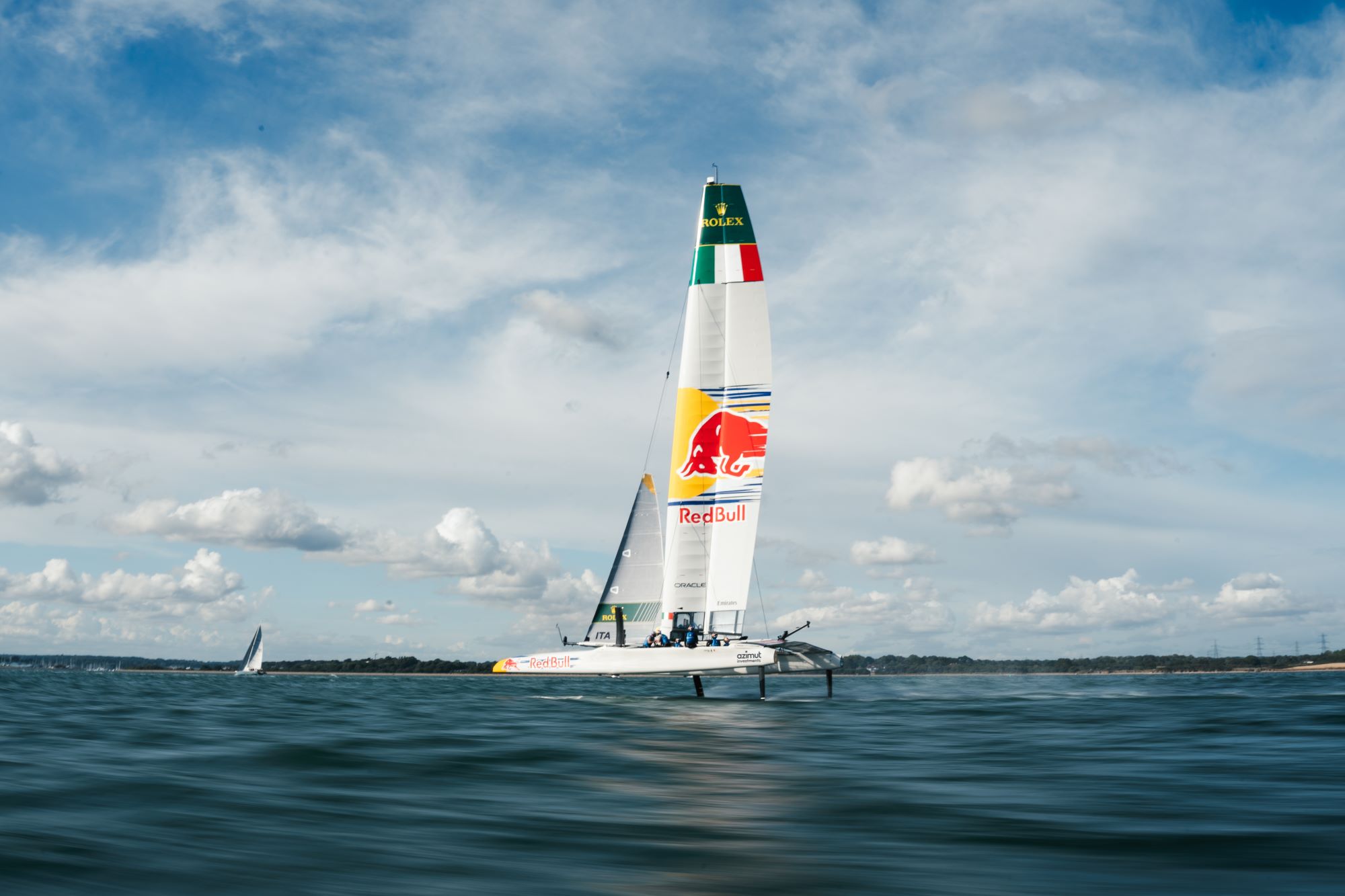
One of your current projects is SailGP. What drew you to that?
It brings together several elements — sport, business, global exposure.
Sport, in particular, has a unique ability to connect people. It’s universal. And in SailGP, the human factor is central. The boats are identical, the data is shared — the difference comes from the team.
That makes it compelling, both competitively and commercially.
You’ve said that brands and sport are resistant to technological disruption. Why?
Because they’re rooted in human behavior.
Brands represent identity, belonging, heritage. That doesn’t disappear.
Sport is unpredictable. It’s driven by people, not systems. You can’t replicate that with technology. If anything, I think we’ll see a renewed focus on human relationships.
You’ve been working on an initiative to connect Italians in the U.S. What’s the idea behind it?
The idea is simple: create a system where there isn’t one.
There are thousands of Italians in senior roles across industries, but they don’t operate as a network. There’s no structure that brings them together in a consistent way.
The goal is to build that — not just for those already established, but to create a platform that can support others coming in.
What advice would you give to someone starting out today?
First, get out of your comfort zone. That’s where growth happens.
Second, stay curious and build real relationships. That’s still the most valuable asset.
Third, don’t rush. Things take time. “Festina lente” — make haste slowly.
What does New York represent for you today?
A testing ground.
It forces you to adapt, to build resilience. You face rejection constantly, but that’s part of the process.
At the end of the day, everything comes back to people — understanding them, building trust, creating connections. That’s what makes things move.